


 English
 Español
 Français

Vacuum Boiling Washer Manufacturers
Eray Medical Technology (Nantong) Co., Ltd.
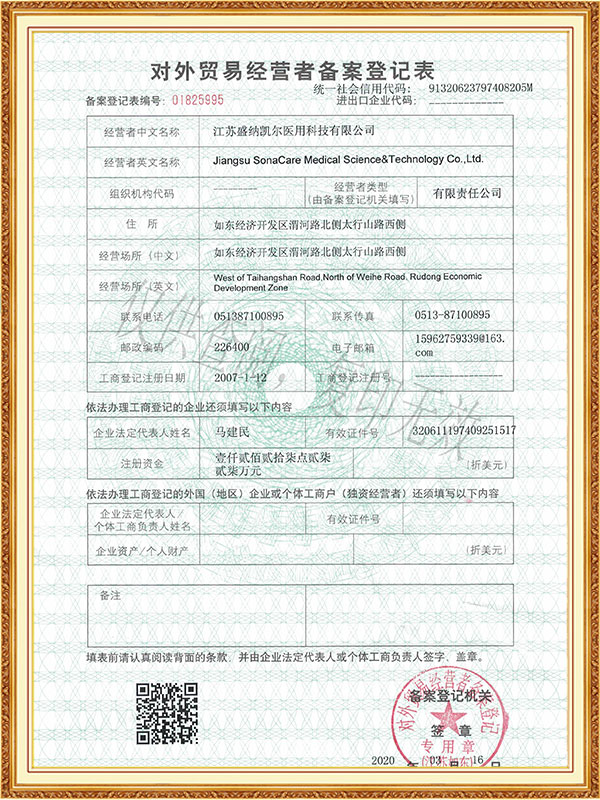
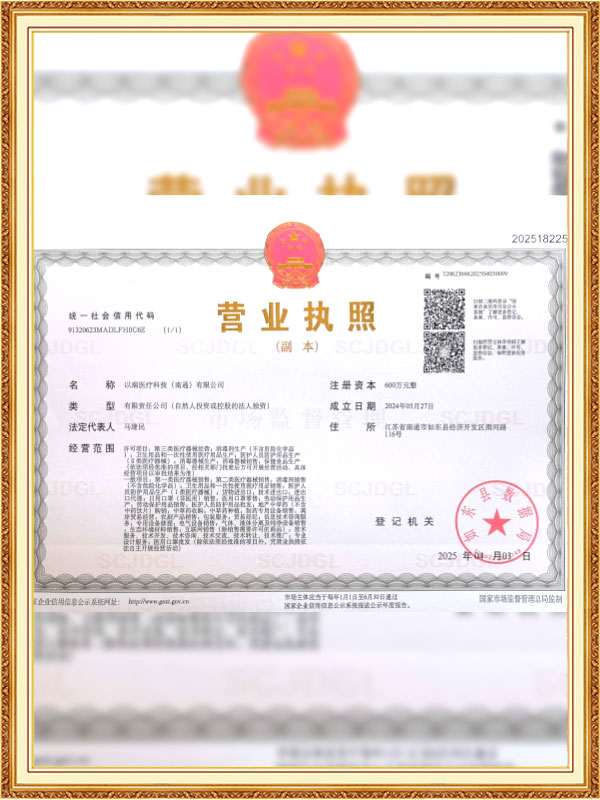
Eray Medical Technology (Nantong) Co., Ltd, focusing on the field of medical devices, is an integrated enterprise of industry and trade integrating R&D, production and sales. The company's manufacturing base is located in Rudong Economic Development Zone in Jiangsu Province, which has a favourable geographical location, convenient traffic and a good supporting environment for industrial clusters.
With a building area of 20,310 square metres, the company has a class 100,000 purified production workshop, a class 10,000 microbiology testing room, a local class 100 physical and chemical laboratory, and a standardised storage system for raw materials and finished products.
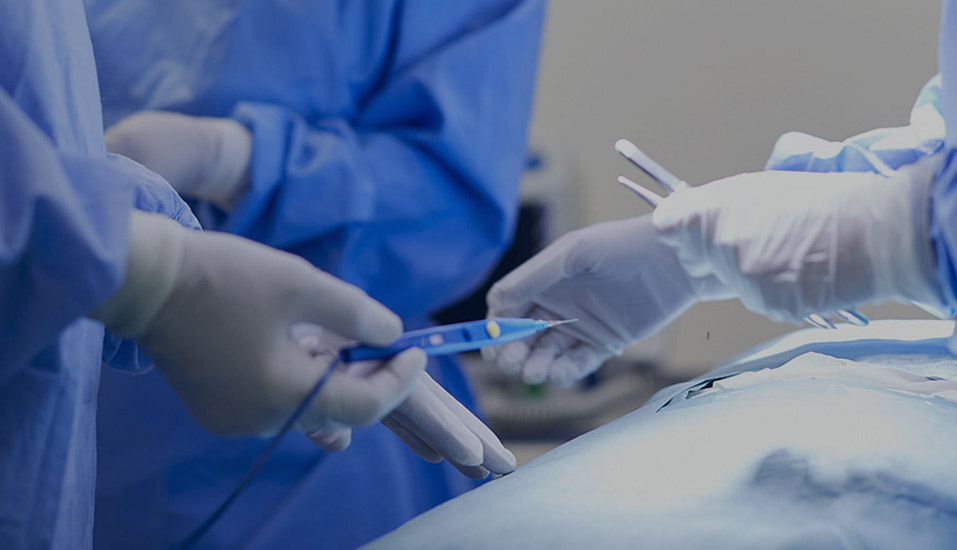
Since the initial batch of products were launched in 2013, Eray has continuously enriched its product categories. Our products have covered protective masks, nursing consumables, sensory control consumables, surgical instruments, providing safe, efficient and environmentally friendly disposable medical solutions for medical institutions worldwide.
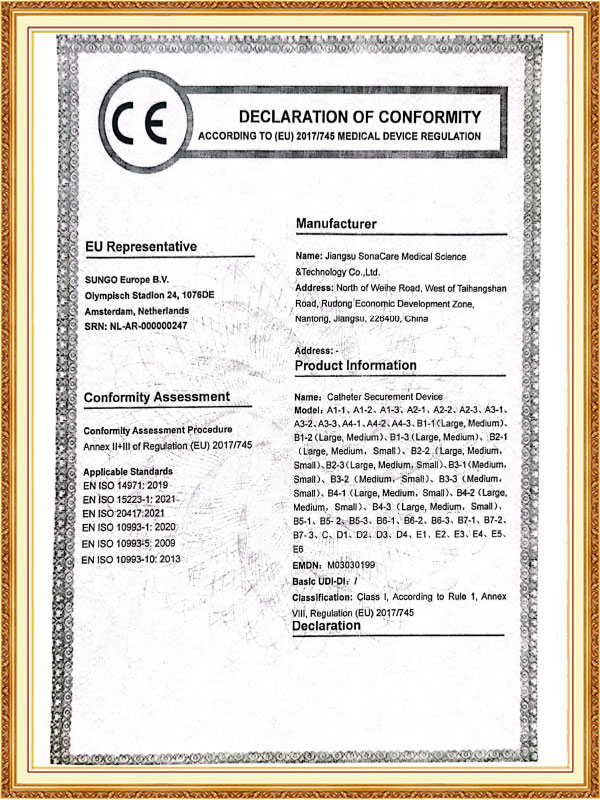
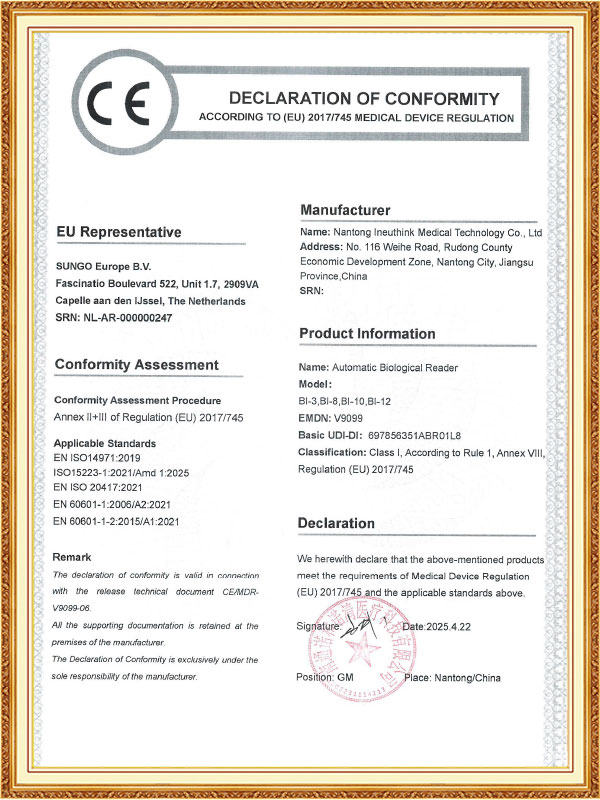
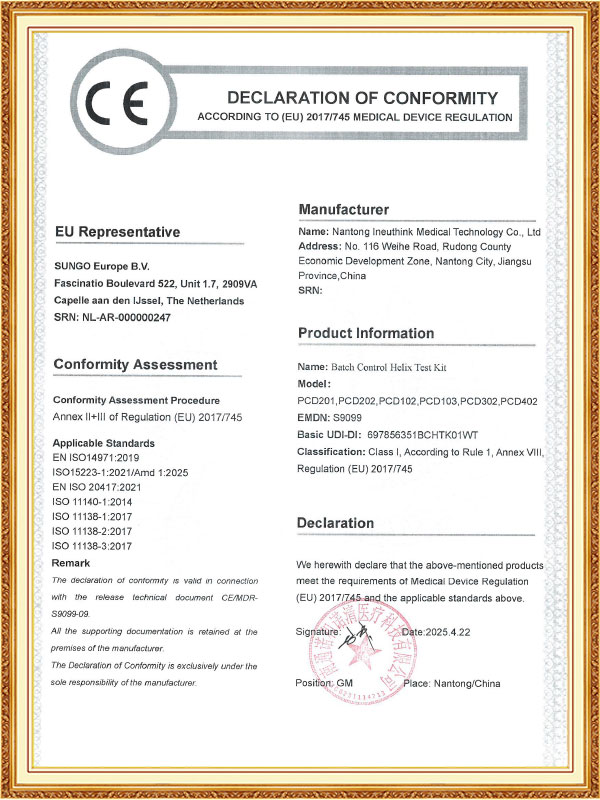
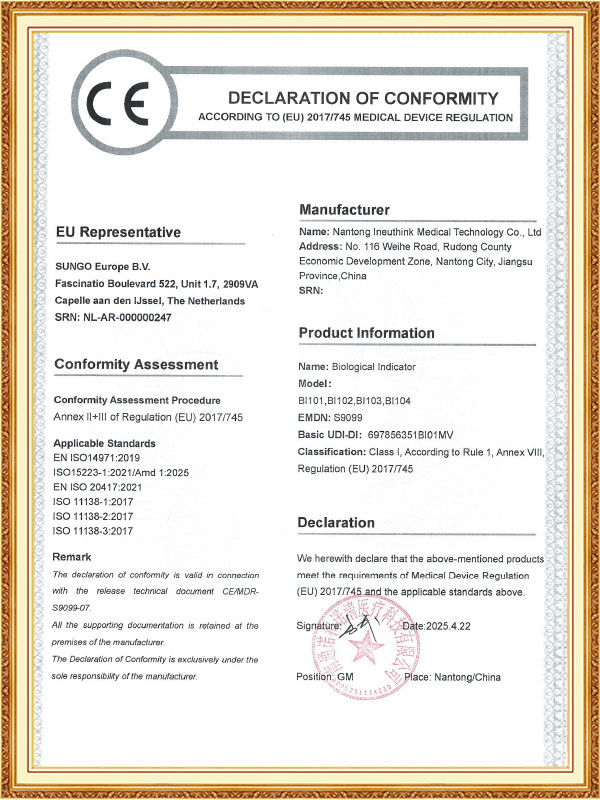
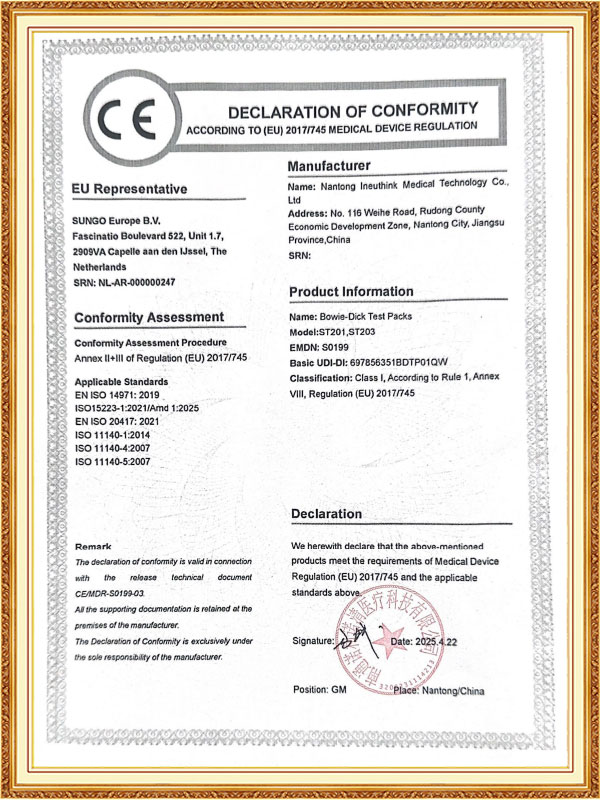
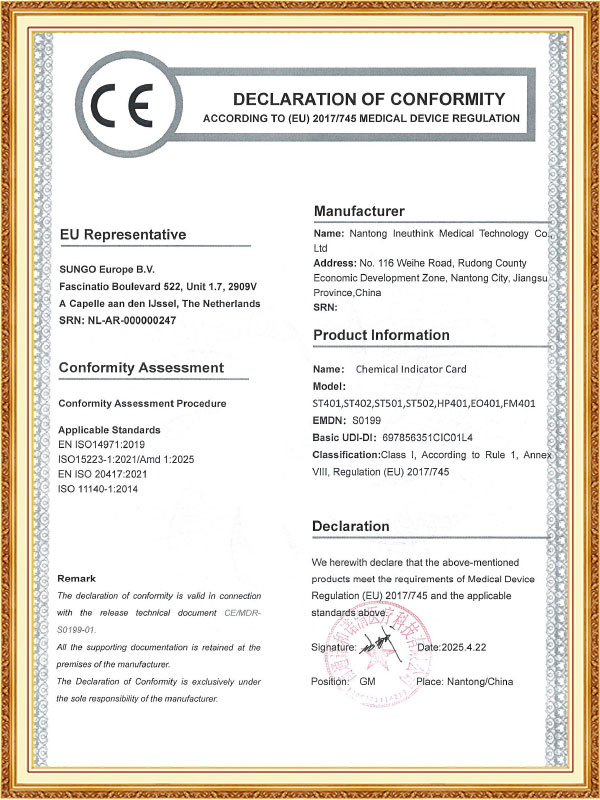
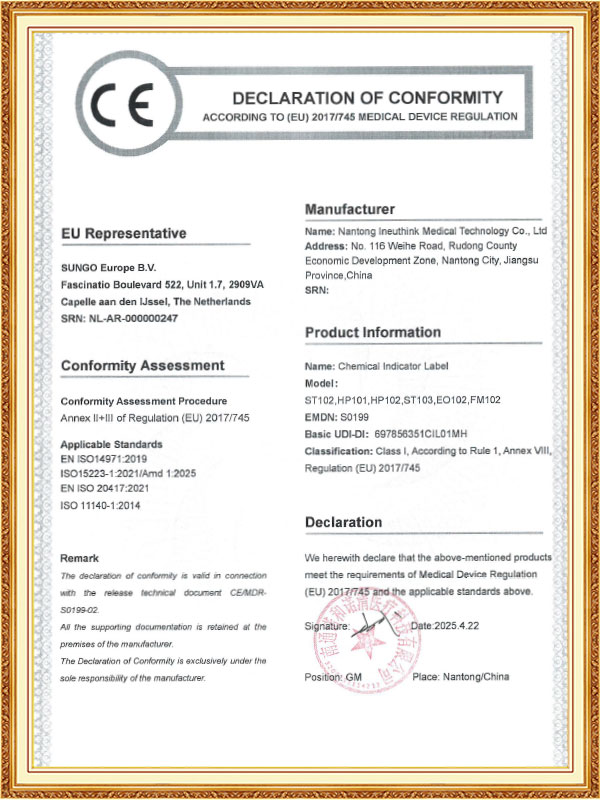
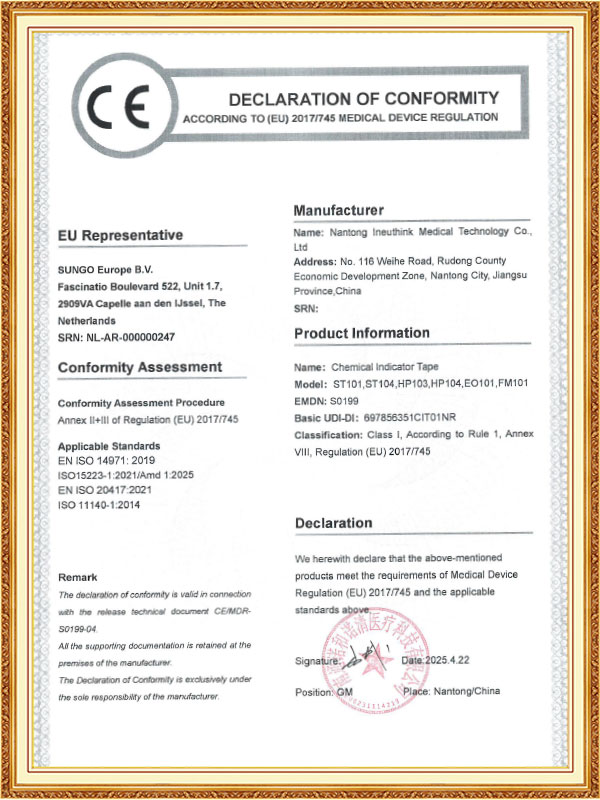
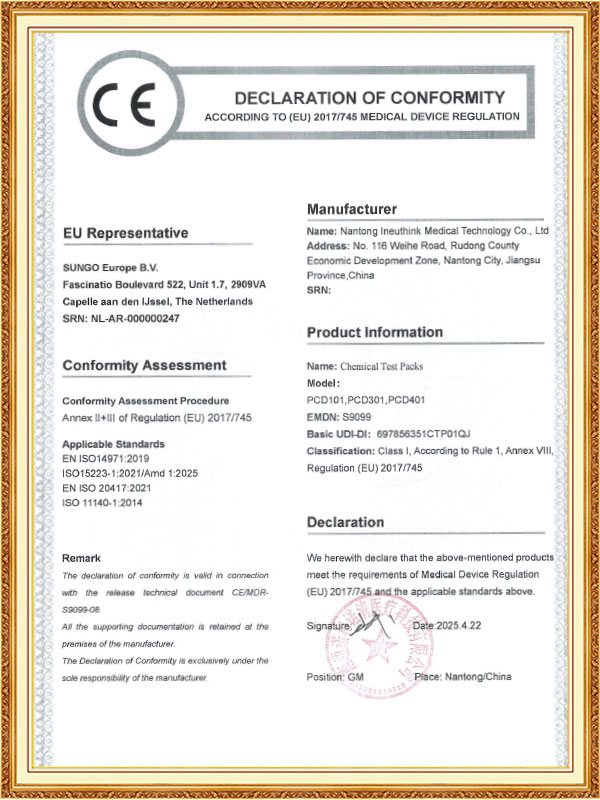
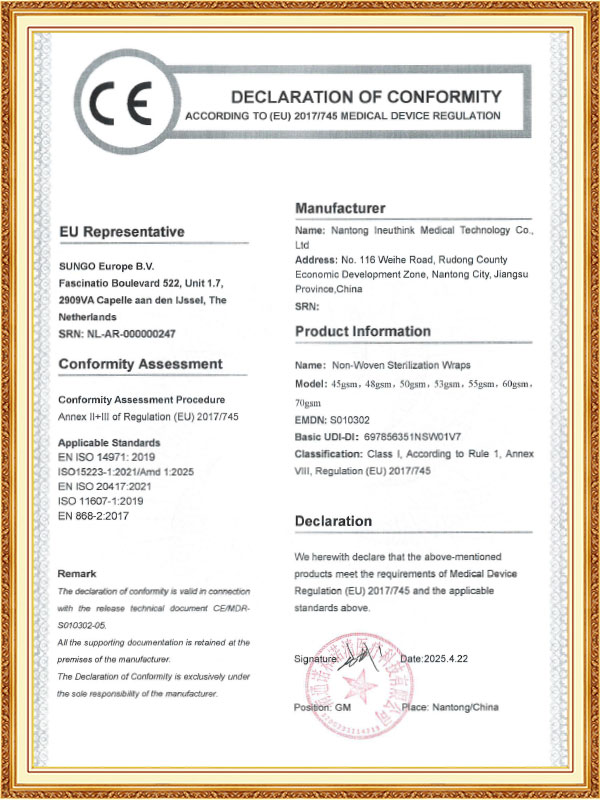
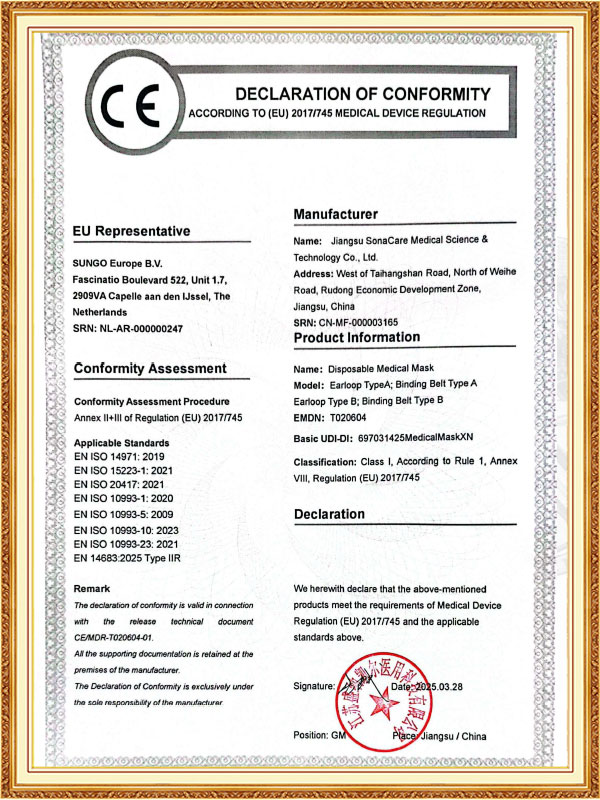
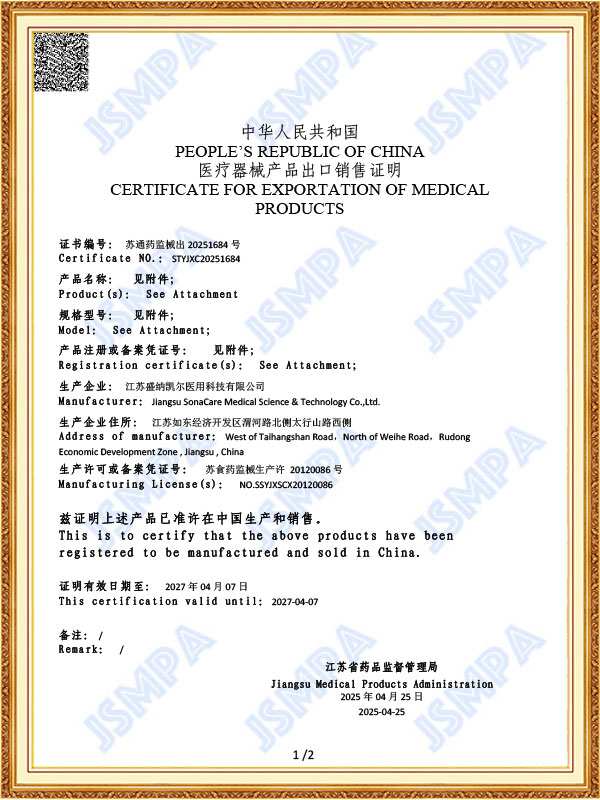
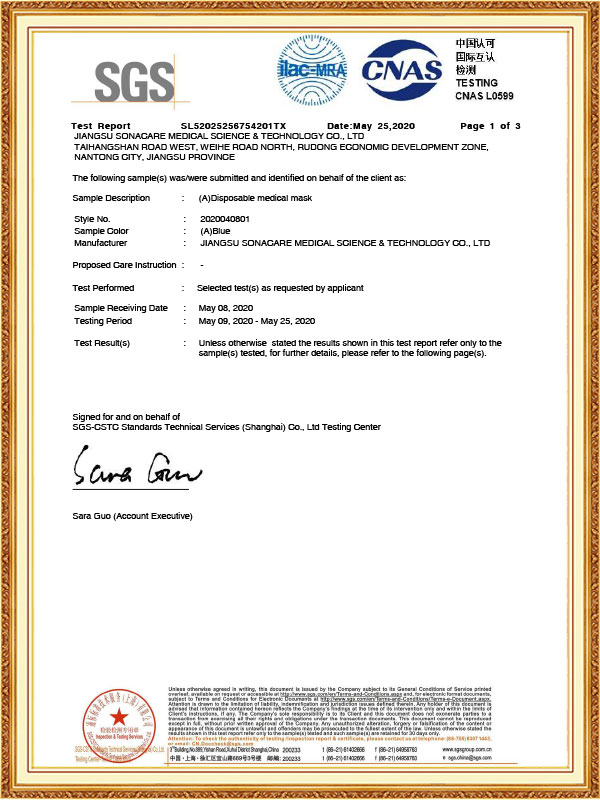
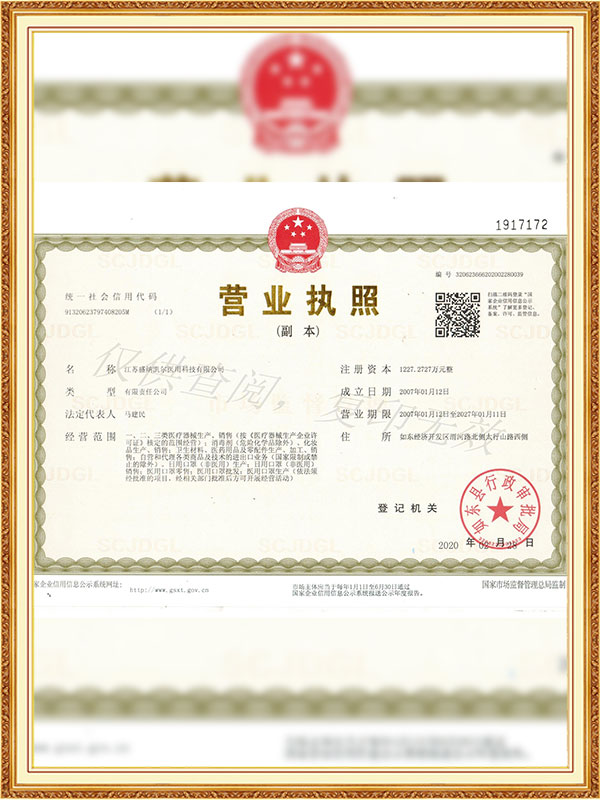
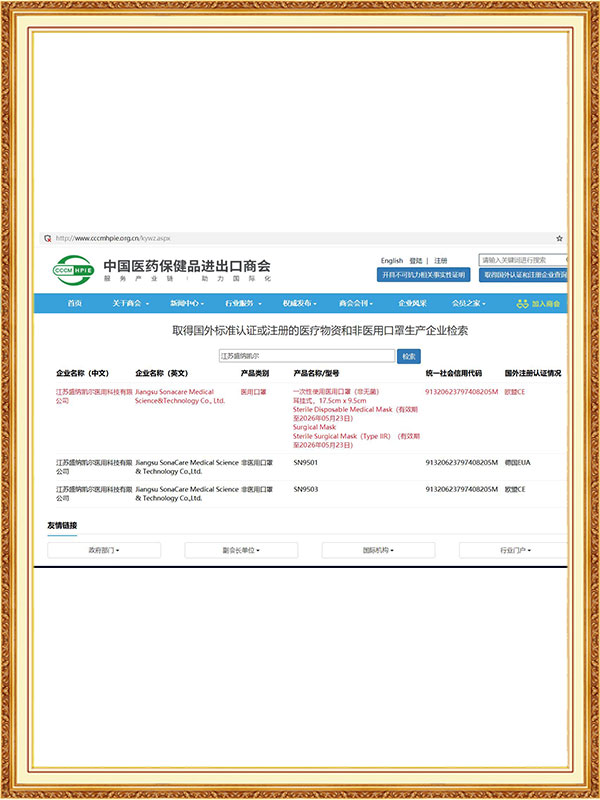
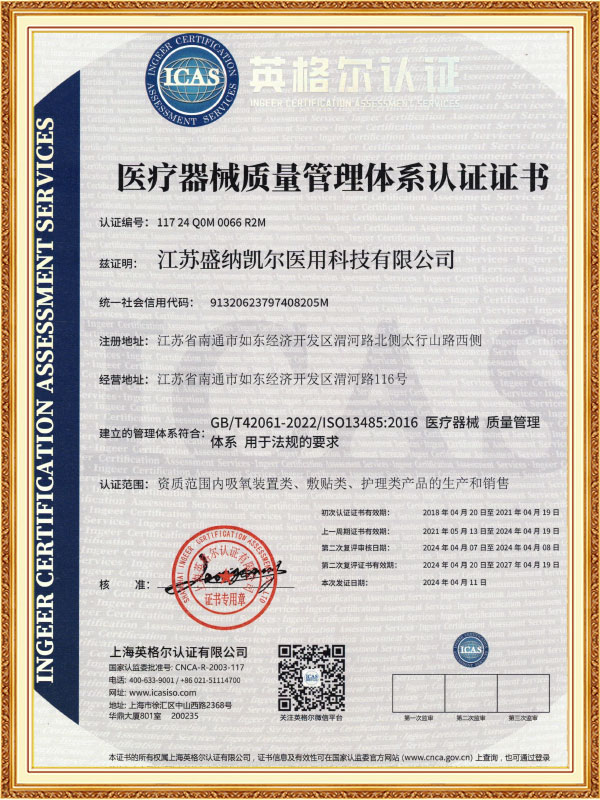
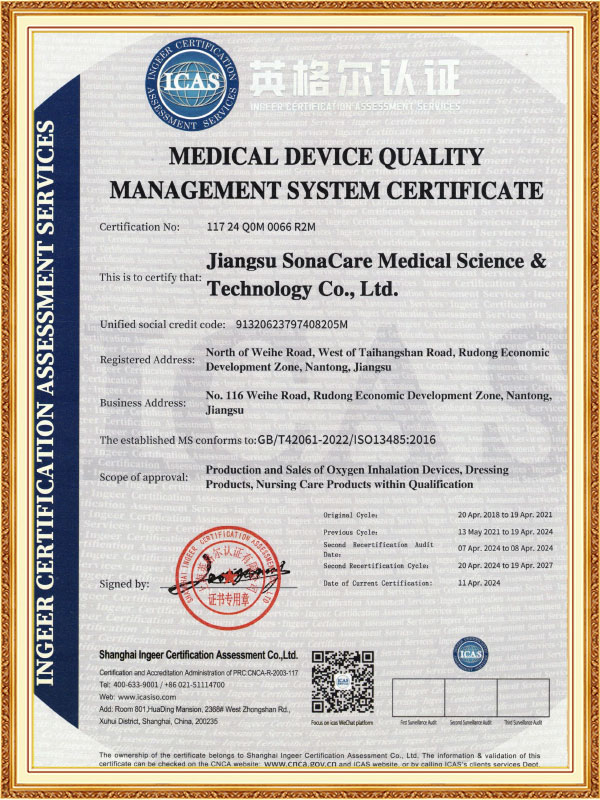
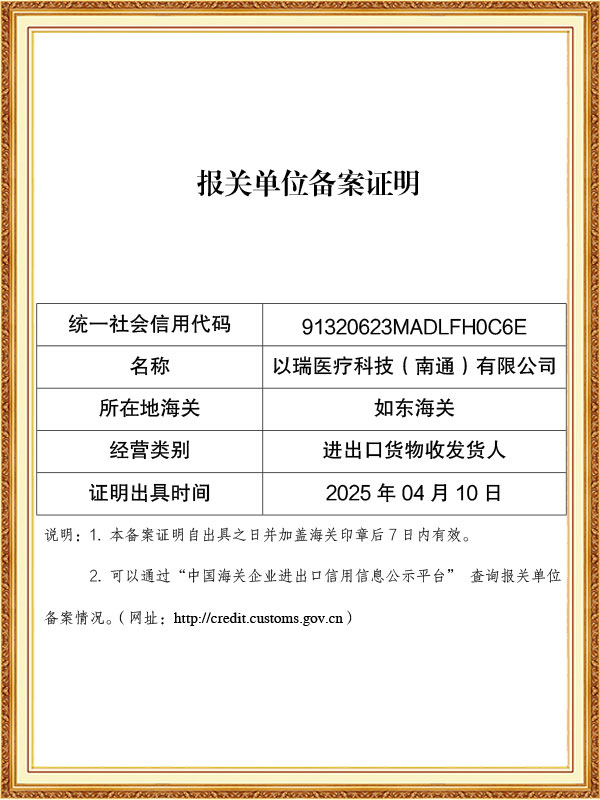
As a professional OEM Vacuum Boiling Washer Manufacturers and ODM Vacuum Boiling Washer Factory, The company has passed ISO 13485 and other quality system certifications, and some of its products have obtained CE certification and FDA filing permits, and has established long-term cooperative relationships with many domestic and foreign medical institutions and distributors.
VIEW MORE
With a building area of 20,310 square metres, the company has a class 100,000 purified production workshop, a class 10,000 microbiology testing room, a local class 100 physical and chemical laboratory, and a standardised storage system for raw materials and finished products.
Since the initial batch of products were launched in 2013, Eray has continuously enriched its product categories. Our products have covered protective masks, nursing consumables, sensory control consumables, surgical instruments, providing safe, efficient and environmentally friendly disposable medical solutions for medical institutions worldwide.
As a professional OEM Vacuum Boiling Washer Manufacturers and ODM Vacuum Boiling Washer Factory, The company has passed ISO 13485 and other quality system certifications, and some of its products have obtained CE certification and FDA filing permits, and has established long-term cooperative relationships with many domestic and foreign medical institutions and distributors.
Certificate
Certificate of Honor
News
News & Update
-
Oct 14. 2026
CDC COVID Masking Guidelines: What the Current Framework Means for HospitalsIn the United States, the CDC's COVID masking guidelines are no longer one national instruction. They are a layered framework: risk-based recommendations for the general public, driven by local hospital data, plus a stricter set of infection-control rules for healthcare workers,...
Read More -
Oct 07. 2026
How to Wear a Face Mask Correctly: Fit, Orientation and Mask StandardsWatch ten people put on a procedure mask and you will usually spot the same three errors: the nose wire stays flat, the pleats point upward, and the bottom edge rests on the chin instead of under it. Fit-testing research keeps returning the same conclusion, that leakage around t...
Read More -
Sep 30. 2026
How Does Masking Work? The Science Behind Face Mask Particle FiltrationStanding in front of a stockroom shelf packed with disposable surgical masks, an infection control manager has one practical question: does this actually block the virus, or only the visible droplets? The evidence-based answer is yes — but with important qualifiers. Masking work...
Read More
Knowledge
Industry knowledge
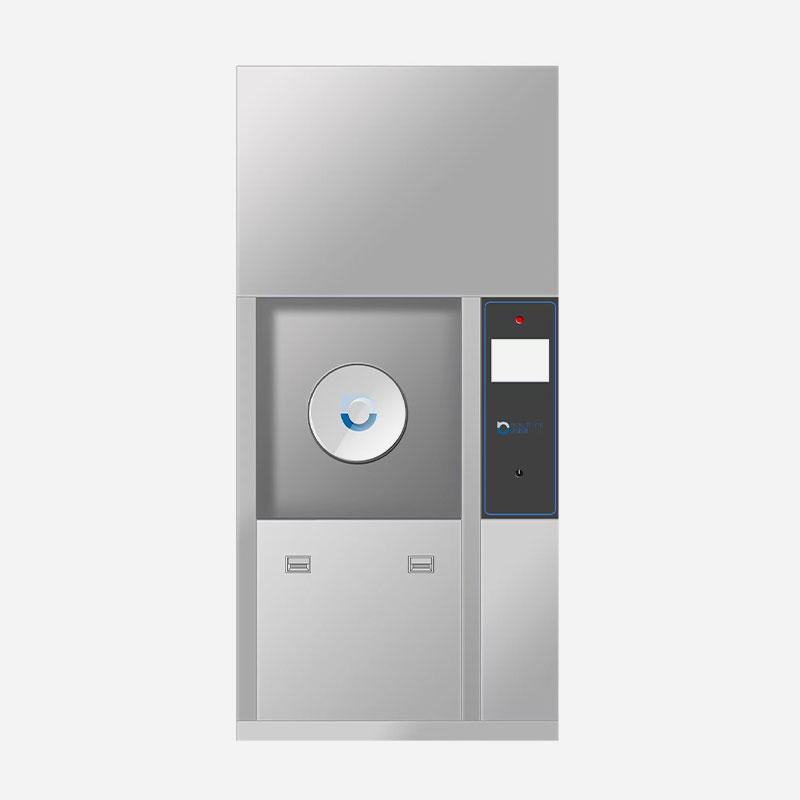
In the medical field, traditional washing methods struggle to achieve both thorough cleaning and effective sterilization, while high-temperature sterilization can easily damage fabric fibers. The advent of medical vacuum boiling washing machines offers an innovative solution to this problem. These washing machines utilize advanced low-pressure boiling technology. A precision vacuum system reduces the pressure within the washing chamber to a specific level, allowing the water to boil at temperatures as low as 50-60°C. This unique physical process produces a dual cleaning effect: Firstly, micron-sized bubbles formed by the boiling water flow vigorously move between textile fibers, generating a powerful cavitation effect that deeply dissolves various organic stains. Secondly, the continuous boiling state itself is a highly effective physical sterilization process, effectively killing a wide range of pathogens, including drug-resistant bacteria.
Clinical testing has shown that at an operating temperature of 55°C, the device can achieve a 99.99% kill rate against common hospital-acquired bacteria, such as Staphylococcus aureus and Escherichia coli, fully meeting medical hygiene standards. Compared to traditional high-temperature sterilization, this low-temperature sterilization method significantly reduces heat damage to medical textiles such as surgical drapes and isolation gowns, extending their lifespan and significantly saving medical institutions on consumables. In practical applications, this device is particularly suitable for processing high-risk textiles such as operating room linens and intensive care unit bedding. Its intelligent control system can store multiple specialized wash programs, automatically adjusting the vacuum level, water temperature, and treatment time for medical textiles of varying risk levels. A built-in turbidity sensor monitors wash results in real time, ensuring that each batch meets the required hygiene standards.
With the continuous improvement of hospital infection control standards and the advancement of green hospital construction, medical vacuum boiling washing machines are gaining increasing recognition worldwide. More than just a washing machine, they are a crucial component of hospital infection control systems. Through technological innovation, they achieve an optimal balance between cleaning effectiveness, sterilization reliability, and resource conservation. As medical quality requirements continue to rise, this technological innovation, which integrates physical principles with medical needs, will make a greater contribution to ensuring patient safety and improving the quality of medical services.
Maintenance and management of medical vacuum boiling washing machines is crucial for ensuring the quality of medical device cleaning, and a systematic maintenance process is essential. After daily use, drain the chamber immediately. Thoroughly wipe the interior walls, door seals, and observation windows with a neutral detergent, paying special attention to removing residual stains and scale. The spray system is a key maintenance priority. Regularly check the spray holes for blockage and ensure smooth rotation. Clean the filters at the water inlet and outlet to maintain unimpeded water flow. Water quality management is crucial. Use purified or deionized water with a conductivity of ≤15μS/cm. Regularly test the water treatment system's performance and replace filters promptly.
A deep maintenance should be performed monthly. Use a dedicated descaling agent to thoroughly clean areas prone to scale accumulation, such as heating elements and piping. Afterward, rinse repeatedly with pure water to eliminate chemical residue. Vacuum system maintenance is essential. Check the vacuum pump oil level and replace it promptly every quarter. Perform a leak test to ensure stable vacuum levels. Maintenance of mechanical parts is equally important. Door seals need to be coated with medical silicone oil every month to prevent aging. Moving parts such as slide rails and hinges need to be regularly inspected and food-grade grease added. Key sensors such as temperature and pressure need to be calibrated every six months to ensure that the measurement data is accurate and reliable. Before the equipment is out of use for a long time, all water tanks and pipes must be emptied and dust-proofed. A no-load test must be performed before reactivation. It is crucial to establish a complete maintenance file, and detailed records must be kept of each cleaning, calibration, and repair. At the same time, operators should receive regular professional training so that they can master the correct usage methods and basic troubleshooting skills. Through standardized maintenance management, not only can the service life of the equipment be extended by 3-5 years, but it can also ensure the continuous provision of safe and reliable cleaning services, providing a solid guarantee for medical quality and safety. In case of complex faults, professional maintenance personnel should be contacted in a timely manner to avoid secondary damage caused by self-disassembly.
If you are interested in our products, please consult us
CONTACT DETAILS
- Address : 116 Weihe Road, Rudong County Economic Development Zone, Nantong City, Jiangsu Province,China
- TEL: : +86-18362400158
- Email: : jayne@eraymedtech.com
PRODUCTS
NEWS CENTER
MOBILE TERMINAL
Copyright © 2025 Eray Medical Technology (Nantong) Co., Ltd.
All Rights Reserved.
 Vacuum Boiling Washer Manufacturers
Custom Vacuum Boiling Washer Factory
Vacuum Boiling Washer Manufacturers
Custom Vacuum Boiling Washer Factory
 CONTACT US
