


 English
 Español
 Français
Sterilization Indicators Consumables Factory


Sterilization Indicators Consumables Manufacturers
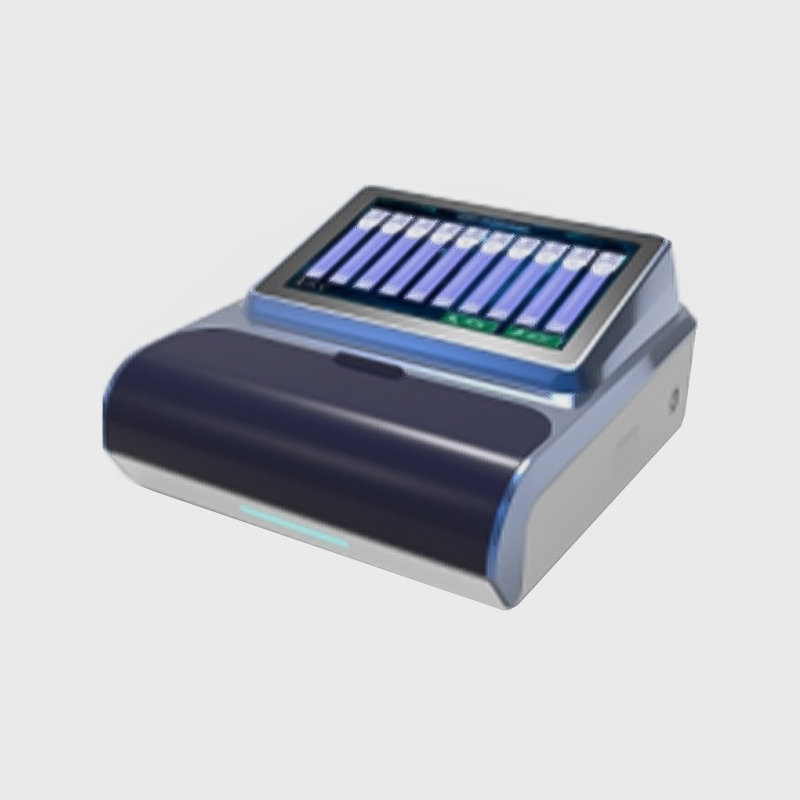

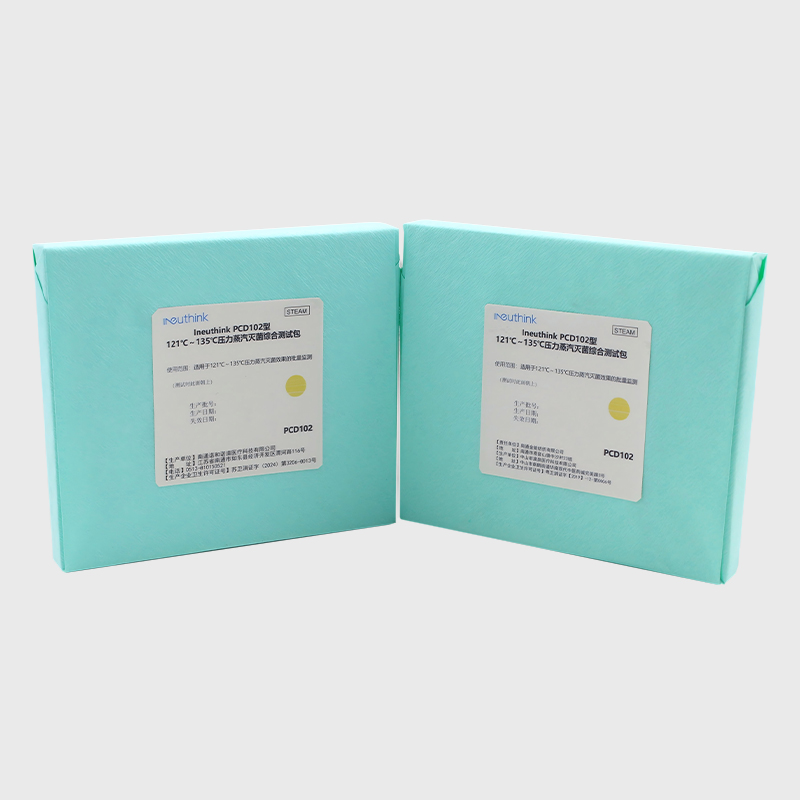
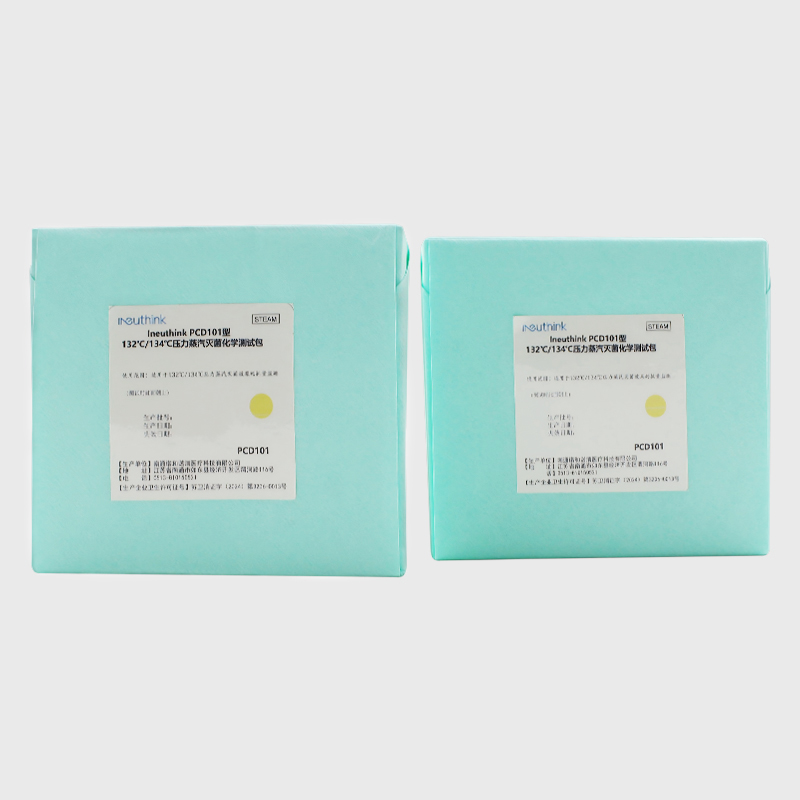
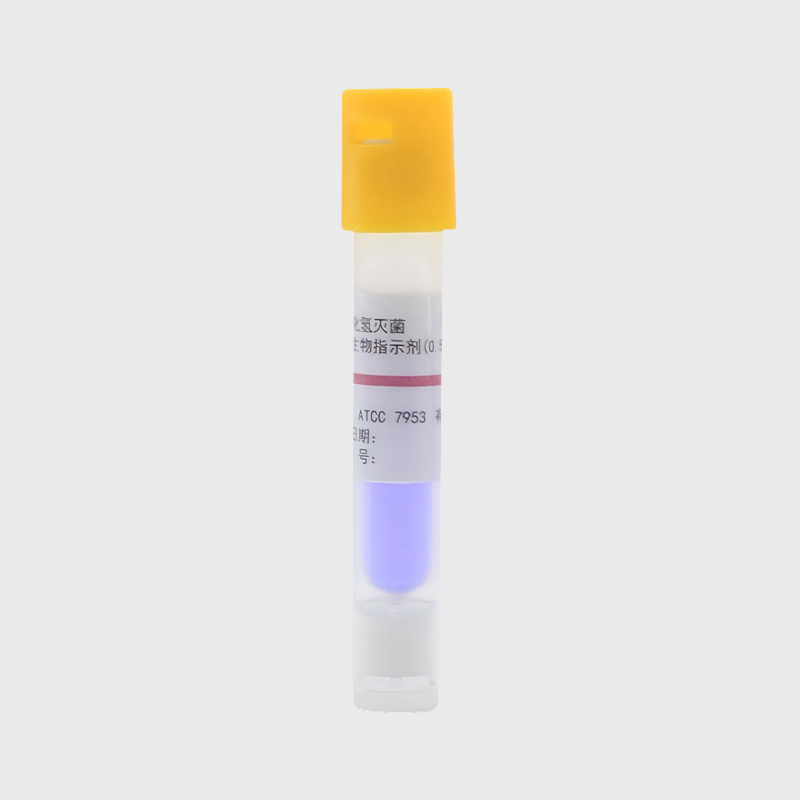
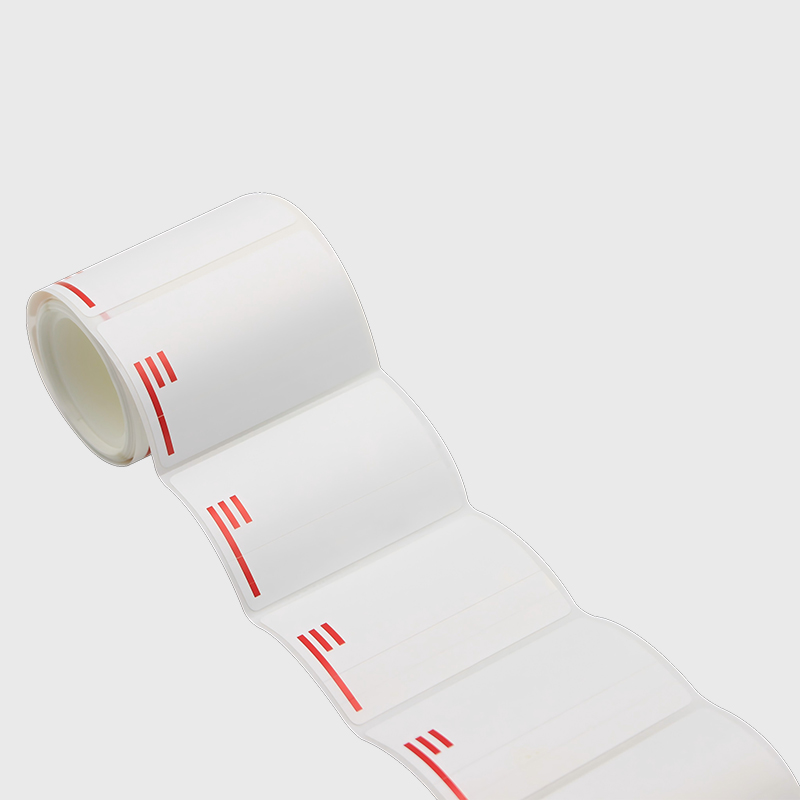
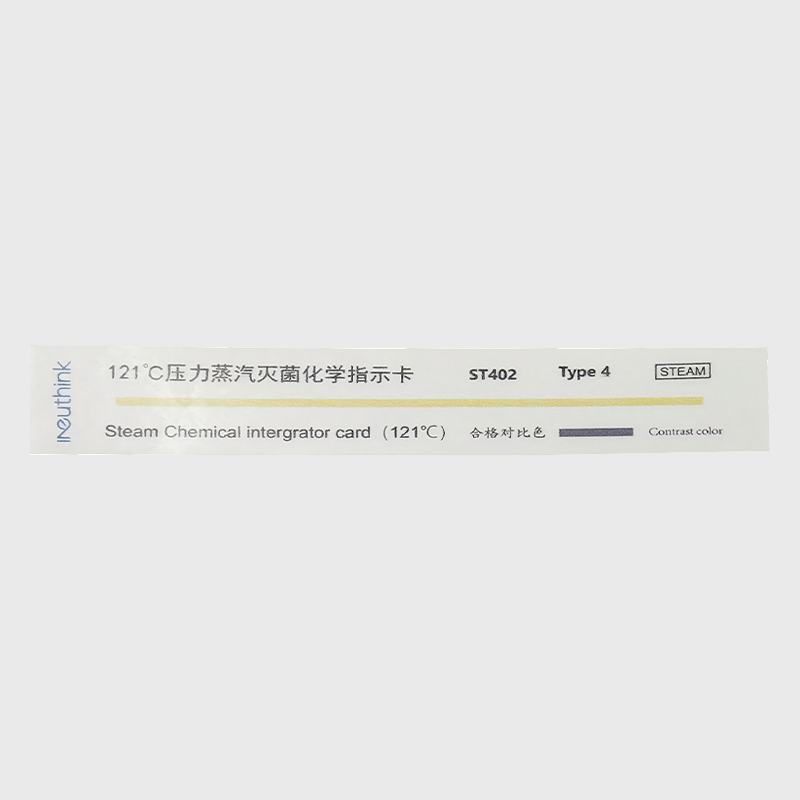

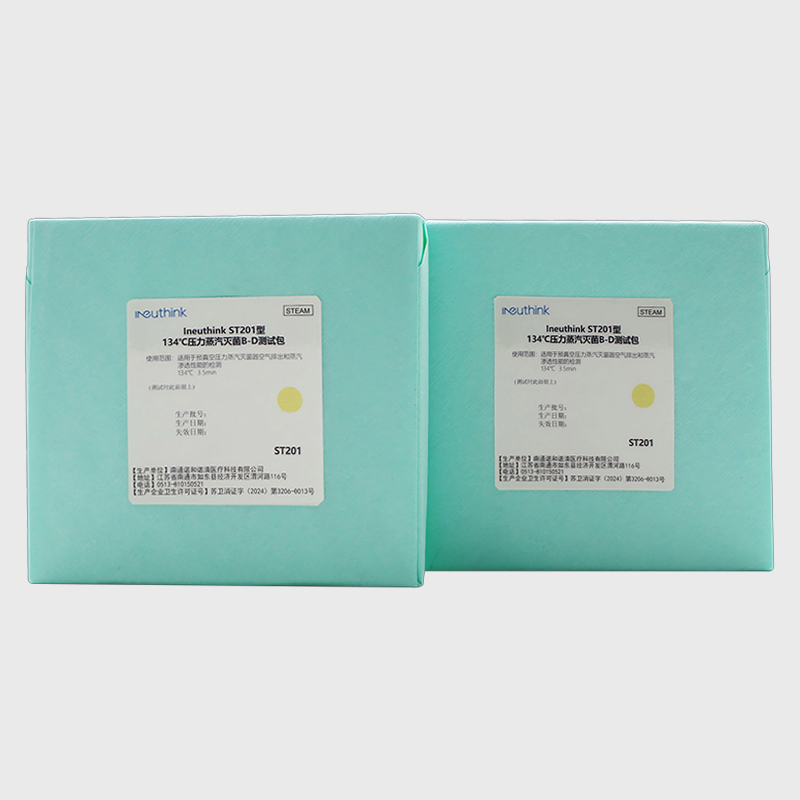
Eray MedTech sterilization indicators are critical tools for validating the effectiveness of sterilization processes, ensuring equipment, instruments, or materials achieve a sterile state. They are widely used in healthcare, laboratories, and industrial settings.

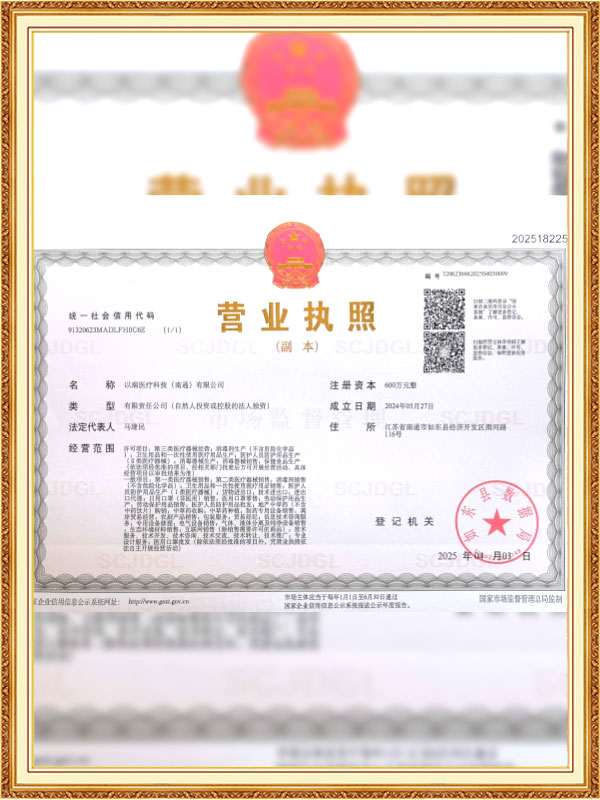
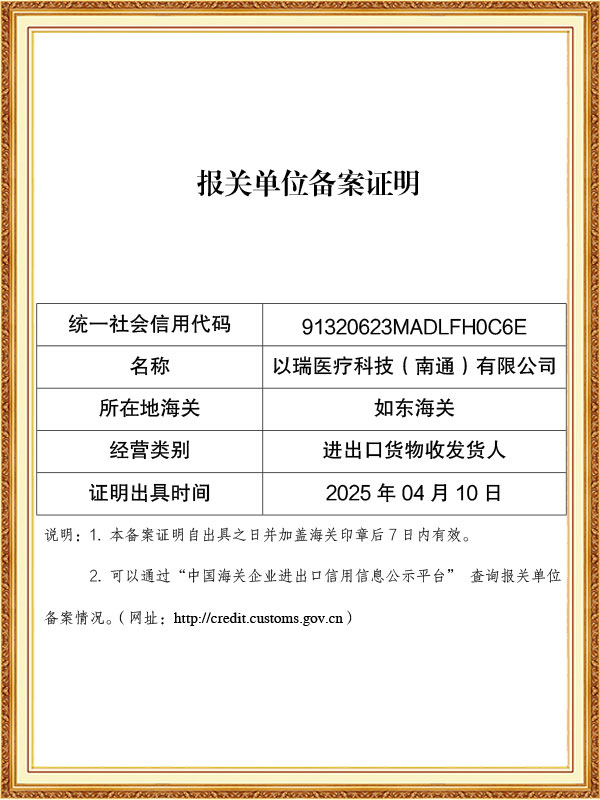
Eray Medical Technology (Nantong) Co., Ltd.
Eray Medical Technology (Nantong) Co., Ltd, focusing on the field of medical devices, is an integrated enterprise of industry and trade integrating R&D, production and sales. The company's manufacturing base is located in Rudong Economic Development Zone in Jiangsu Province, which has a favourable geographical location, convenient traffic and a good supporting environment for industrial clusters.
With a building area of 20,310 square metres, the company has a class 100,000 purified production workshop, a class 10,000 microbiology testing room, a local class 100 physical and chemical laboratory, and a standardised storage system for raw materials and finished products.
Since the initial batch of products were launched in 2013, Eray has continuously enriched its product categories. Our products have covered protective masks, nursing consumables, sensory control consumables, surgical instruments, providing safe, efficient and environmentally friendly disposable medical solutions for medical institutions worldwide.
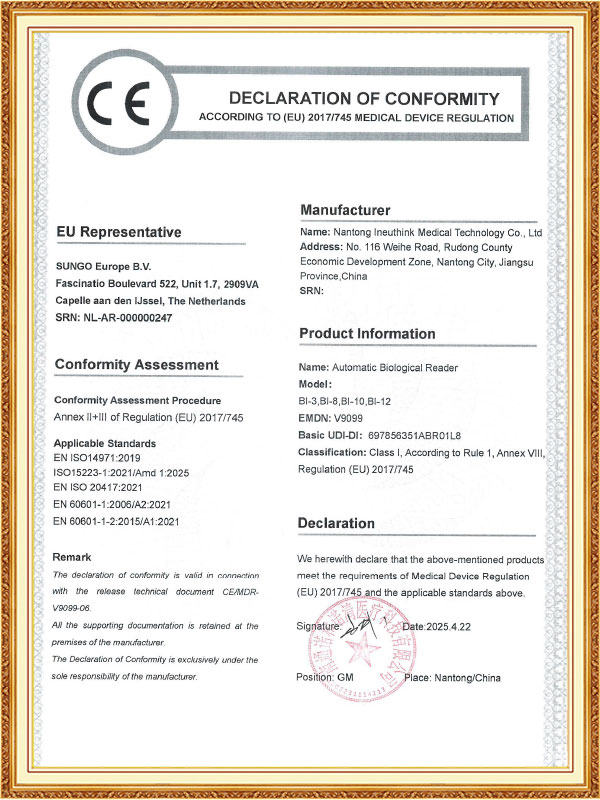
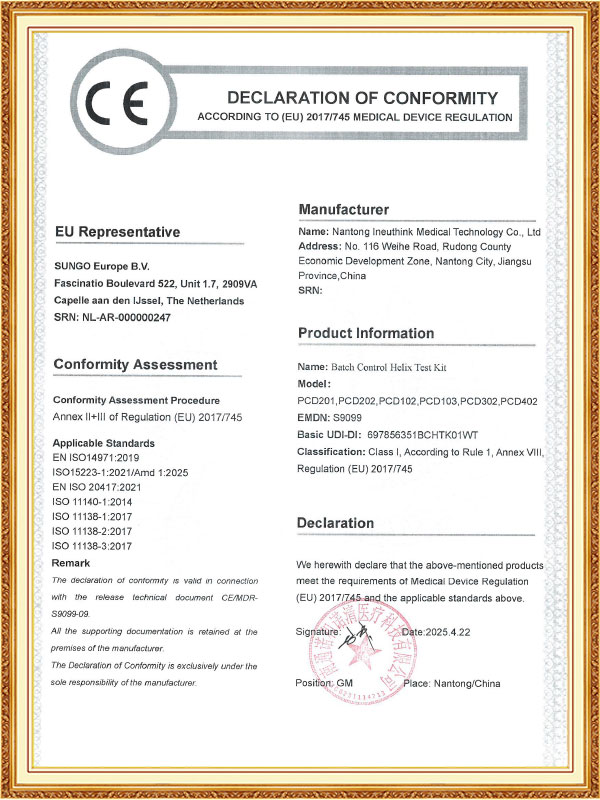
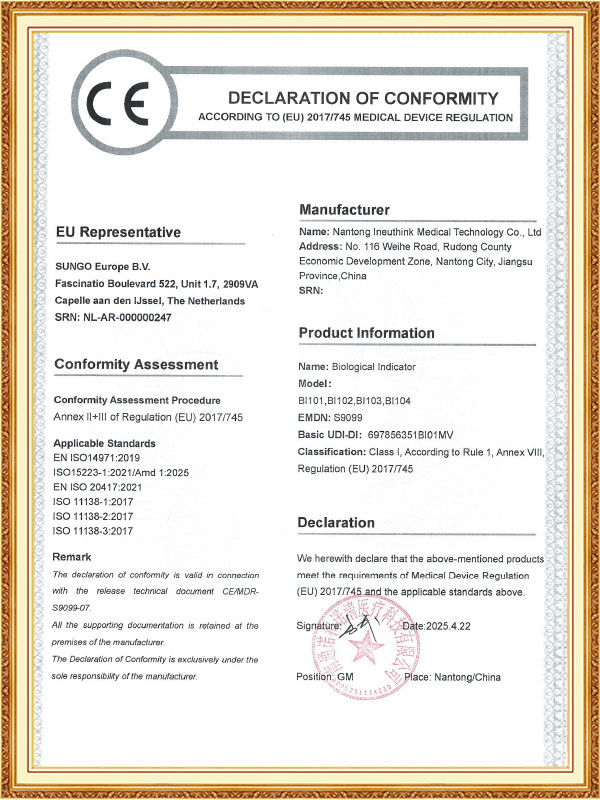
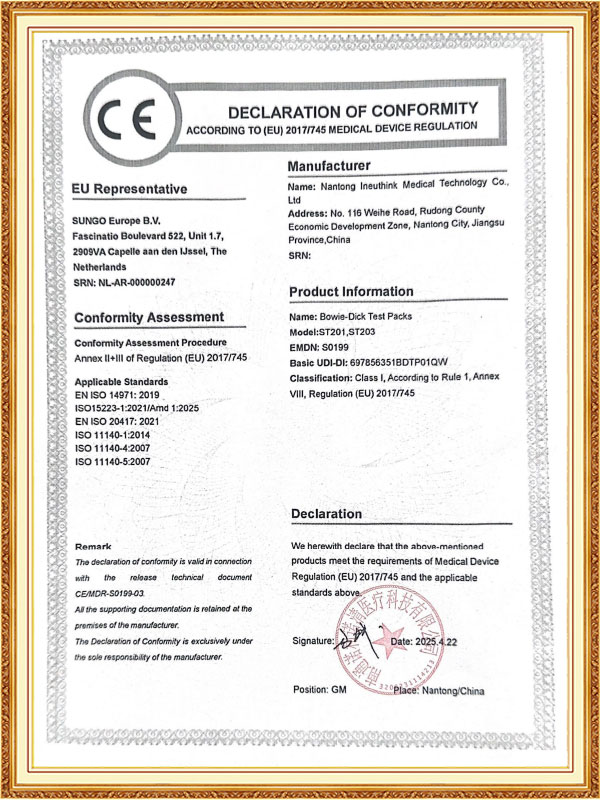
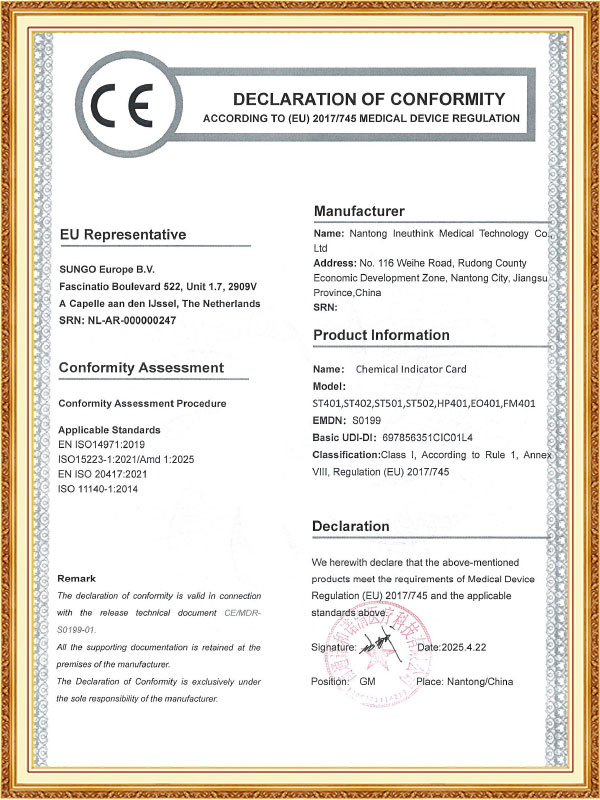
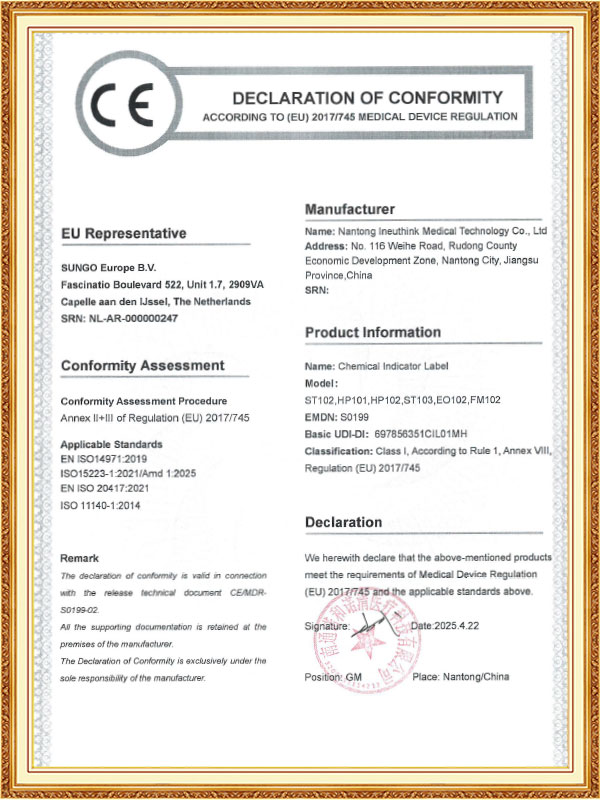
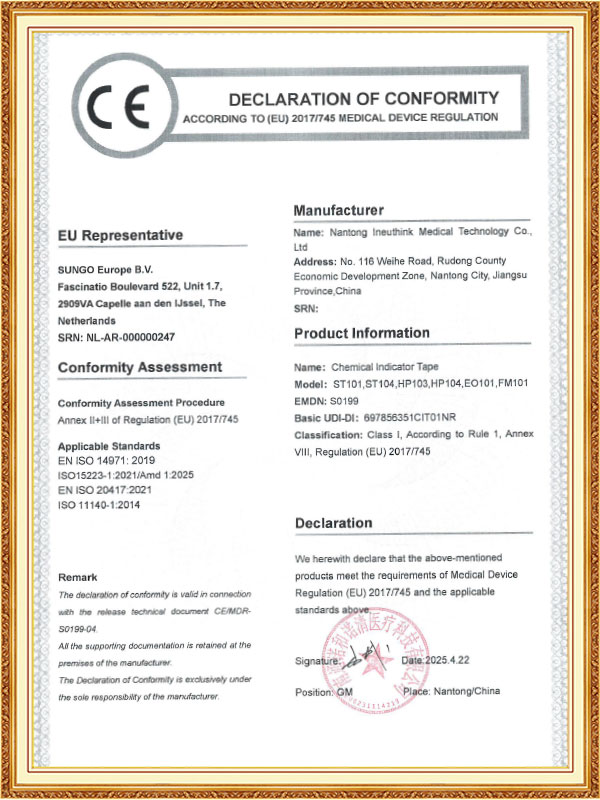
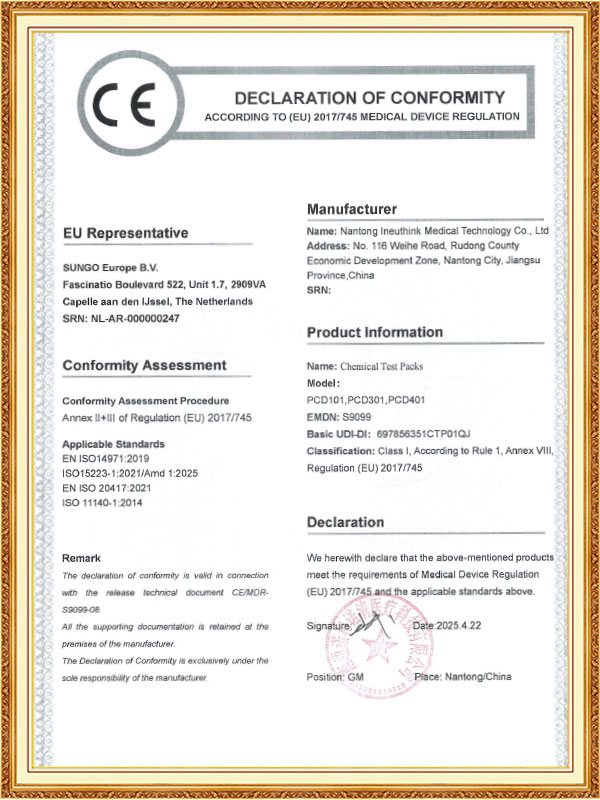
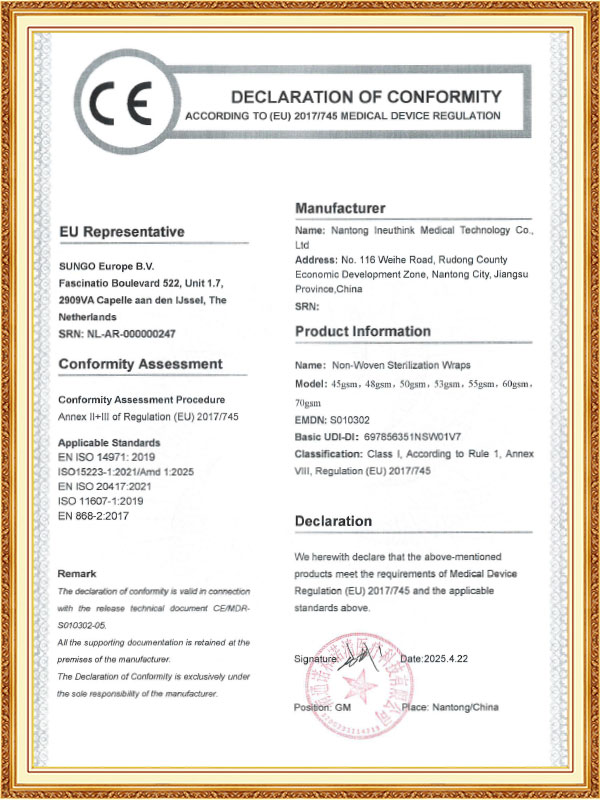
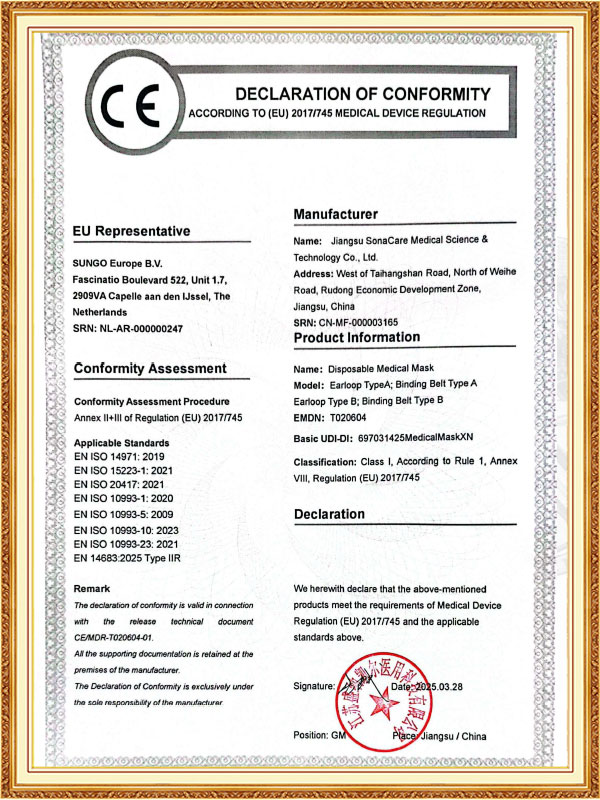
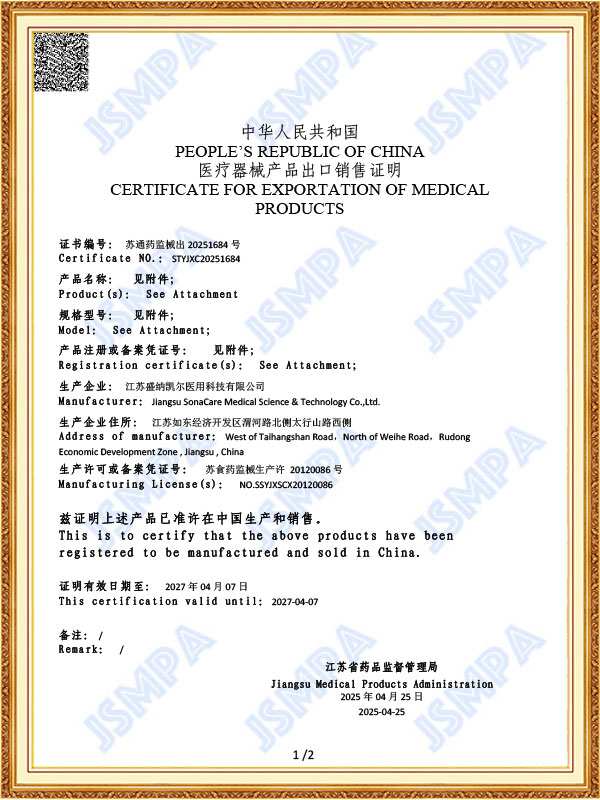
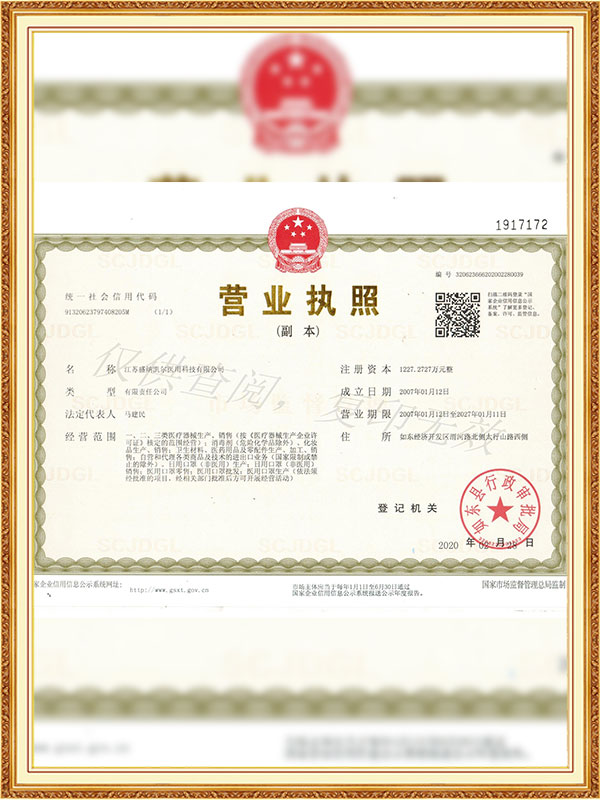
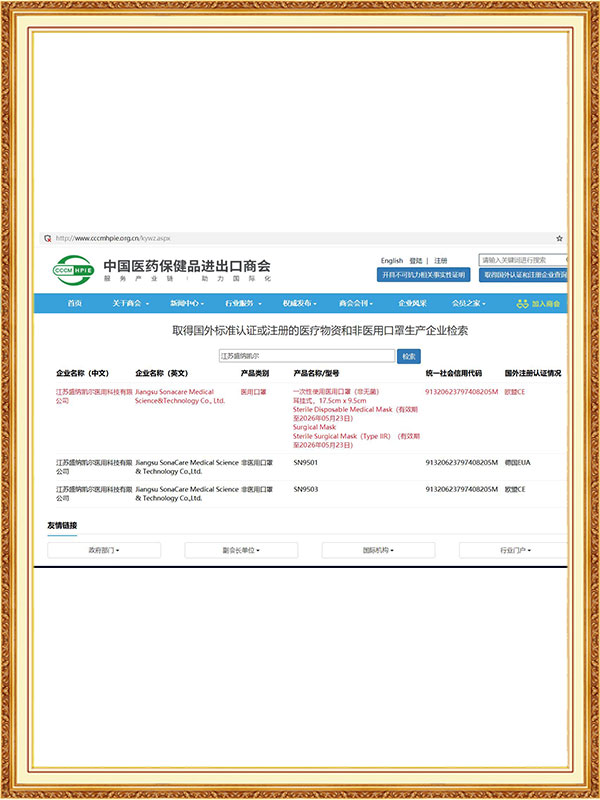
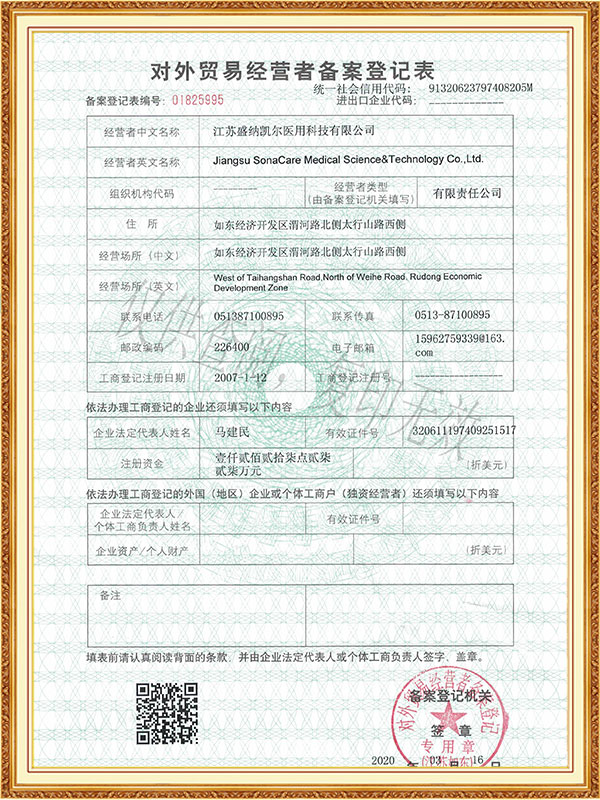
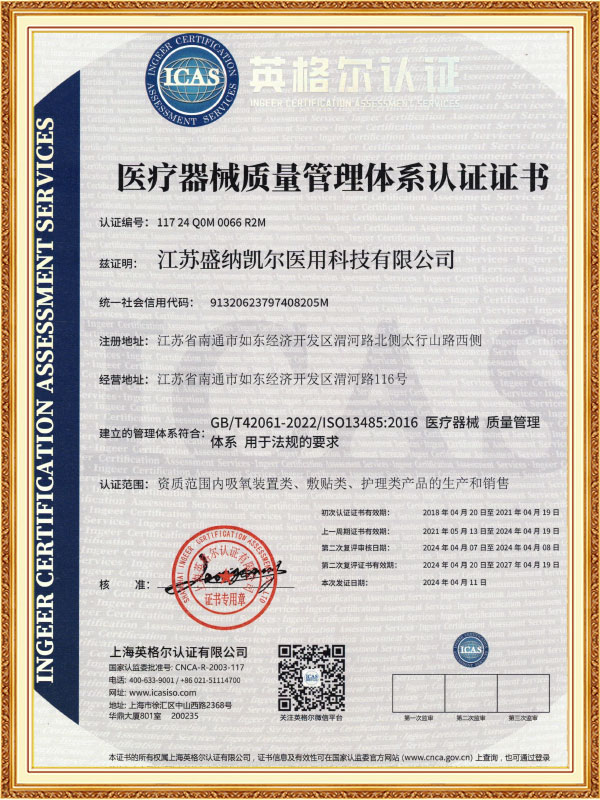
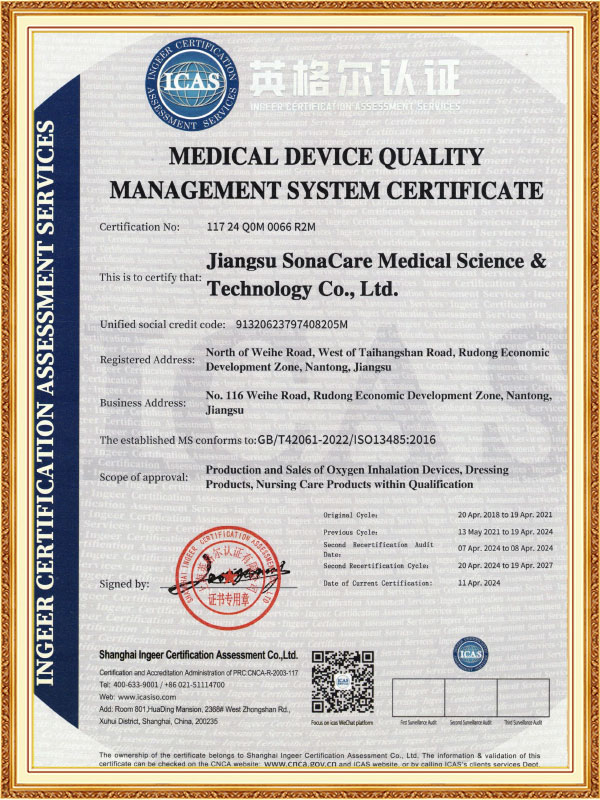
As a professional OEM Sterilization Indicators Consumables Manufacturers and ODM Sterilization Indicators Consumables Factory, The company has passed ISO 13485 and other quality system certifications, and some of its products have obtained CE certification and FDA filing permits, and has established long-term cooperative relationships with many domestic and foreign medical institutions and distributors.
VIEW MORE
With a building area of 20,310 square metres, the company has a class 100,000 purified production workshop, a class 10,000 microbiology testing room, a local class 100 physical and chemical laboratory, and a standardised storage system for raw materials and finished products.
Since the initial batch of products were launched in 2013, Eray has continuously enriched its product categories. Our products have covered protective masks, nursing consumables, sensory control consumables, surgical instruments, providing safe, efficient and environmentally friendly disposable medical solutions for medical institutions worldwide.
As a professional OEM Sterilization Indicators Consumables Manufacturers and ODM Sterilization Indicators Consumables Factory, The company has passed ISO 13485 and other quality system certifications, and some of its products have obtained CE certification and FDA filing permits, and has established long-term cooperative relationships with many domestic and foreign medical institutions and distributors.
Certificate
Certificate of Honor

News
News & Update
-
Oct 14. 2026
CDC COVID Masking Guidelines: What the Current Framework Means for HospitalsIn the United States, the CDC's COVID masking guidelines are no longer one national instruction. They are a layered framework: risk-based recommendations for the general public, driven by local hospital data, plus a stricter set of infection-control rules for healthcare workers,...
Read More -
Oct 07. 2026
How to Wear a Face Mask Correctly: Fit, Orientation and Mask StandardsWatch ten people put on a procedure mask and you will usually spot the same three errors: the nose wire stays flat, the pleats point upward, and the bottom edge rests on the chin instead of under it. Fit-testing research keeps returning the same conclusion, that leakage around t...
Read More -
Sep 30. 2026
How Does Masking Work? The Science Behind Face Mask Particle FiltrationStanding in front of a stockroom shelf packed with disposable surgical masks, an infection control manager has one practical question: does this actually block the virus, or only the visible droplets? The evidence-based answer is yes — but with important qualifiers. Masking work...
Read More
Knowledge
Industry knowledge
The effectiveness of the sterilization process is directly related to patient safety and the reliability of laboratory results. Sterilization indicators, as key tools for verifying sterilization effectiveness, provide conclusive evidence of aseptic operation through scientific methods and become an indispensable component of infection control systems.
Sterilization indicators operate based on their sensitivity to key sterilization parameters. Chemical indicators use an irreversible color change reaction of specific inks or dyes at specific temperatures, times, or chemical concentrations to visually indicate whether sterilization conditions have been met. Biological indicators use highly heat-resistant Bacillus stearothermophilus spores as challenge microorganisms. Their survival is monitored after sterilization through post-sterilization culture, providing the most direct proof of sterilization effectiveness. New electronic indicators use precision sensors to record physical parameters such as temperature, pressure, and steam saturation in real time, generating digital verification reports. These complementary approaches form a multi-layered sterilization verification system. Modern sterilization indicators offer distinct technical features: They can detect temperature deviations of ±1°C and time errors of ±5% with sensitivity. Their response range covers the typical sterilization temperature range of 121°C to 134°C. Some products also offer specialized models for low-temperature sterilization, such as ethylene oxide and hydrogen peroxide.
Proper use of sterilization indicators requires careful consideration of several key points: Select the appropriate indicator type based on the sterilization method (steam, dry heat, chemical, etc.); ensure placement is representative, typically in the most challenging area of the sterilization chamber; avoid contact with liquids or sharp instruments, which could damage the markings; and ensure that biological indicators are incubated according to regulations after use, typically at 56-60°C for 24-48 hours. All indicators should be stored in a dry, dark environment, and their expiration dates must be carefully monitored. Importantly, any abnormal indication should be considered a sterilization failure, requiring immediate cessation of use of the relevant batch and investigation of the cause.
Maintenance of sterilization indicators is crucial for ensuring reliable sterilization monitoring, and strict management practices are essential. During daily use, indicators should be stored in a cool, dry place, away from direct sunlight and high temperatures and humidity. The recommended temperature is 15-25°C, and the relative humidity should not exceed 60%. Different types of indicators should be stored separately. Chemical indicator cards should be sealed to prevent moisture, and biological indicators should be refrigerated and used within their expiration dates. Before use, the integrity of the packaging should be inspected. For chemical indicators, the color should be checked for normality. For biological indicators, the culture medium should be confirmed to be free of desiccation or contamination. During each sterilization cycle, the indicator should be placed in the most challenging location within the sterilization chamber, typically in the center of the sterilized items or near the drain. Read the results promptly after use, read the chemical indicator cards within the specified time, and maintain a constant incubator temperature of 56-60°C for biological indicators. Regular quality verification of indicators is essential, with each new batch undergoing performance testing. For biological indicators, positive controls should be used to verify incubation results. Establish a comprehensive record-keeping system, detailing the use date, sterilization parameters, and monitoring results for each batch of indicators, with a retention period of at least three years. Expired indicators must be discarded according to prescribed procedures and must not be used. Operators must also receive regular professional training to ensure they are proficient in the use of various indicators and the interpretation of results. Through standardized maintenance and management, sterilization monitoring data can be ensured to be accurate and reliable, providing a strong guarantee for medical safety.
If you are interested in our products, please consult us
CONTACT DETAILS
- Address : 116 Weihe Road, Rudong County Economic Development Zone, Nantong City, Jiangsu Province,China
- TEL: : +86-18362400158
- Email: : jayne@eraymedtech.com
PRODUCTS
NEWS CENTER
MOBILE TERMINAL
Copyright © 2025 Eray Medical Technology (Nantong) Co., Ltd.
All Rights Reserved.
 Sterilization Indicators Consumables Manufacturers
Sterilization Indicators Consumables Factory
Sterilization Indicators Consumables Manufacturers
Sterilization Indicators Consumables Factory
 CONTACT US
