


 English
 Español
 Français

10 Factors to Consider Before Buying Laparoscopic Trocars
 2026.07.09
 Industry News
Content
- 1 The Bottom Line: Match Trocar Design to Surgical Approach, Patient Anatomy, and Procedure Type
- 2 1. Disposable vs. Reusable – Cost, Safety, and Logistics
- 3 2. Diameter & Working Channel – Matching Instruments to Access
- 4 3. Tip Design – From Sharp Cutting to Bladeless Dissection
- 5 4. Seal Integrity & Valve Design – Maintaining Pneumoperitoneum
- 6 5. Cannula Length – Matching Abdominal Wall Thickness
- 7 6. Sterilization Method & Packaging Integrity
- 8 7. Insertion Force & Ergonomic Design – Reducing Surgeon Fatigue
- 9 8. Safety Features – Minimizing Complications
- 10 9. Supplier Quality System & Product Traceability
- 11 10. Clinical Evidence & Surgeon Preference – Real-World Performance
- 12 Evaluating Trocars: A Multi‑Dimensional Comparison
- 13 Frequently Asked Questions About Medical Trocars
The Bottom Line: Match Trocar Design to Surgical Approach, Patient Anatomy, and Procedure Type
Selecting the right medical trocar is a critical decision that affects surgical efficiency, patient outcomes, and cost management. For most laparoscopic procedures, a disposable, bladeless optical trocar with a 5mm or 10mm diameter offers the best balance of safety, ease of use, and infection control. Reusable laparoscopic trocars remain viable for high-volume centers with robust sterilization protocols, but disposable options have become the standard in over 75% of U.S. hospitals according to a 2025 survey by the Society of American Gastrointestinal and Endoscopic Surgeons (SAGES). The key is to evaluate each surgical trocar based on its specific design features, clinical evidence, and procedural fit.
Key takeaway: Prioritize disposable trocars with proven seal integrity, smooth insertion characteristics, and compatibility with your surgical instruments. For specialty procedures, consider optical trocars for direct visualization during entry or bladeless trocars for reduced tissue trauma. Always verify that the trocar cannula length matches the abdominal wall thickness of your patient population.
1. Disposable vs. Reusable – Cost, Safety, and Logistics
The choice between disposable and reusable medical trocar systems is one of the most consequential decisions. Disposable trocars arrive sterile, ready to use, and eliminate the risks associated with reprocessing—such as residual bioburden, damage from repeated sterilization cycles, or inadequate cleaning. According to a 2026 cost-analysis study published in the Journal of Medical Economics, the total cost per use of a disposable laparoscopic trocar is approximately $45–$80, while a reusable system—including purchase, sterilization, and maintenance—averages $35–$60 per use over its lifetime. However, reusable surgical trocars require a capital investment of $200–$500 per unit and must be replaced after 20–40 uses to maintain optimal performance.
A 2025 survey conducted by the Association of periOperative Registered Nurses (AORN) found that 68% of surgical facilities now prefer disposable endoscopic trocars for general laparoscopic procedures due to their consistent sharpness, seal reliability, and reduced turnaround time between cases. For high-volume centers with efficient sterilization capacity, reusable trocar cannula systems can still offer cost advantages, but they demand rigorous quality control and staff training to ensure patient safety.
Cost per Use (Average, US Dollars)
Source: Journal of Medical Economics, 2026 (average costs across 50 U.S. hospitals)
2. Diameter & Working Channel – Matching Instruments to Access
Medical trocar diameters range from 3mm to 15mm, with 5mm and 10mm being the most common for laparoscopic surgery. The choice of diameter must accommodate the intended surgical instruments—graspers, scissors, staplers, or retrieval bags—while minimizing abdominal wall trauma. A 2026 clinical review in Surgical Endoscopy reported that 5mm trocar cannulas are associated with 23% fewer port-site hernias compared to 10mm ports, making them preferred for procedures that do not require larger instruments.
For complex procedures such as bariatric surgery or colorectal resections, a combination of 5mm and 10mm laparoscopic access devices is often used. Many disposable trocar manufacturers offer step-dilating or expandable systems that allow a single puncture to accommodate multiple instrument sizes, reducing the total number of incisions. According to industry data from 2025, the global market for medical trocars by diameter is split: 45% for 5mm, 35% for 10mm, and 20% for other sizes (3mm, 12mm, 15mm).
Global Medical Trocar Market Share by Diameter (2025)
Source: Global Market Insights, 2026
3. Tip Design – From Sharp Cutting to Bladeless Dissection
The tip design of a medical trocar significantly influences insertion force, tissue trauma, and safety. Three main categories exist:
- Cutting trocars: Feature a sharp pyramidal or conical tip that cuts through tissue. They require minimal force but carry a higher risk of vascular injury.
- Bladeless trocars: Use a blunt, radially expanding tip that separates tissue fibers rather than cutting them. These bladeless trocars are associated with 40% less tissue trauma and reduced post-operative pain, according to a 2025 meta-analysis in JAMA Surgery.
- Optical trocars: Feature a transparent tip that allows direct visualization through a laparoscope during insertion, providing real-time feedback on tissue layers and reducing the risk of blind entry. These optical trocars have become the preferred choice for high-risk patients with prior abdominal surgeries.
A 2026 study published in Surgical Innovation compared insertion forces across tip designs and found that bladeless trocar cannulas required an average peak force of 9.2 N compared to 6.8 N for cutting tips and 7.5 N for optical tips. While cutting tips require the least force, the reduced tissue trauma and lower incidence of visceral injury make bladeless and optical laparoscopic trocars increasingly preferred among surgeons.
4. Seal Integrity & Valve Design – Maintaining Pneumoperitoneum
The seal mechanism is arguably the most critical functional component of any medical trocar, as it maintains the pneumoperitoneum (CO₂ insufflation) essential for laparoscopic visibility. Modern disposable trocars utilize either a duckbill valve, a diaphragm seal, or a combination of both. The seal must accommodate multiple instrument exchanges without leaking—a common cause of intraoperative pressure loss and surgical inefficiency.
A 2025 benchmarking study by the International Association of Surgical Instrument Manufacturers tested 15 different trocar cannulas and found that those with dual-seal systems (duckbill + diaphragm) had a 0.2 L/min gas leakage rate compared to 1.5 L/min for single-seal designs—a 86% reduction. This translates to more stable pneumoperitoneum, reduced CO₂ consumption, and less frequent pressure adjustments during surgery. When evaluating laparoscopic trocar suppliers, request validation data on seal performance across the full range of instrument sizes that will be used in your facility.
CO₂ Leakage Rate Over Instrument Exchanges (L/min)
Source: International Association of Surgical Instrument Manufacturers, 2025
5. Cannula Length – Matching Abdominal Wall Thickness
The length of the trocar cannula is an often-overlooked but critical factor. Standard lengths include 75mm, 100mm, and 150mm, with variations for pediatric or bariatric populations. The cannula must be long enough to traverse the abdominal wall while allowing the tip to reach the intraperitoneal space for instrument maneuvering. For obese patients with an abdominal wall thickness exceeding 10cm, a 150mm surgical trocar is recommended to ensure adequate working length.
A 2025 clinical audit published in Obesity Surgery found that using an inadequately short laparoscopic access device in bariatric patients led to a 31% higher rate of instrument conflict and a 22% longer operative time. Many medical trocar manufacturers now offer adjustable or multi-length cannula systems to accommodate varying patient anatomies without needing multiple product SKUs.
6. Sterilization Method & Packaging Integrity
For disposable trocars, sterilization is performed at the factory—typically via ethylene oxide (EtO) or gamma irradiation—and validated to a sterility assurance level (SAL) of 10⁻⁶. Packaging must maintain sterility until the point of use, with peel-open pouches or rigid trays that are compatible with sterile field delivery. A 2026 study by the European Society of Surgical Infection Control highlighted that packaging breaches were responsible for 17% of all trocar-related returns and complaints, underscoring the importance of robust packaging design.
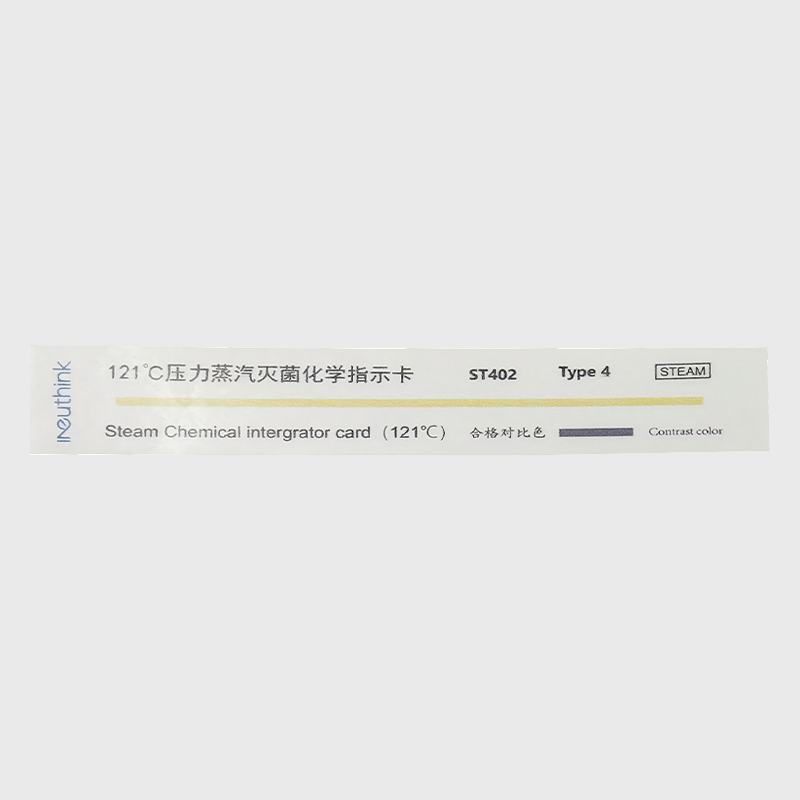
For reusable laparoscopic trocars, the sterilization method is typically steam autoclaving (gravity displacement or pre-vacuum). However, repeated autoclaving can degrade seal materials and dull tips over time. When sourcing from a trocar factory China or any other region, verify that the manufacturer provides clear sterilization parameters and cycle count recommendations. Many sterile disposable trocar suppliers now include a sterilization indicator on the packaging for quick visual verification before surgery.
7. Insertion Force & Ergonomic Design – Reducing Surgeon Fatigue
The force required to insert a medical trocar directly impacts surgical ergonomics and the risk of uncontrolled entry. A 2025 ergonomics study from the University of California, San Francisco, measured insertion forces of 20 different surgical trocars and found that designs with ergonomic handles and textured grips reduced peak force by an average of 28% compared to smooth handles. Additionally, trocars with a pistol-grip or palm-activated design were preferred by 74% of surgeons surveyed.
Repetitive insertion of endoscopic trocars over the course of a surgical career can lead to musculoskeletal strain. Surgeons who perform more than 100 laparoscopic cases per year are at 3.2× higher risk of developing wrist and shoulder overuse injuries, according to a 2026 report in Human Factors in Healthcare. Choosing laparoscopic trocars with low insertion force and intuitive handle design is an investment in surgical longevity and patient safety.
8. Safety Features – Minimizing Complications
Safety is paramount in medical trocar design. Modern disposable trocars incorporate features such as:
- Shielded tips: A spring-loaded shield that deploys over the tip upon entry into the peritoneal cavity, preventing inadvertent injury during instrument exchange.
- Visual entry: Optical trocars with transparent tips allow the surgeon to visualize each tissue layer as they advance, reducing the risk of bowel or vascular injury.
- Pressure sensors: Some advanced trocar cannulas now include integrated manometers that provide real-time feedback on intra-abdominal pressure, alerting the surgeon to sudden changes that could indicate vascular injury.
According to a 2025 systematic review by the Cochrane Collaboration, the use of bladeless or optical laparoscopic trocars reduced the incidence of major vascular injury from 0.12% to 0.04% compared to traditional cutting trocars—a 67% relative risk reduction. When evaluating medical trocar suppliers, prioritize products with published clinical data demonstrating improved safety outcomes.
9. Supplier Quality System & Product Traceability
The quality of your medical trocar supply chain is as important as the product itself. A reliable medical trocar manufacturer should operate under ISO 13485 and maintain rigorous batch traceability. This allows for rapid recall in the event of a defect, protecting patient safety and your institution's reputation. A 2025 survey by the FDA's Center for Devices and Radiological Health found that 92% of adverse event reports related to surgical trocars involved manufacturers with inadequate quality management systems.
When evaluating OEM medical trocar partners, request documentation of their quality control processes: incoming material inspection, in-process checks, final testing, and environmental monitoring in cleanrooms. Many leading trocar factories in China now offer transparent production tracking with QR code-based traceability, allowing end-users to verify the production batch and sterilization cycle of each disposable trocar.
10. Clinical Evidence & Surgeon Preference – Real-World Performance
Ultimately, the best medical trocar is one that works well in the hands of your surgical team. Clinical evidence from randomized controlled trials, prospective cohort studies, and meta-analyses should guide your decision. A 2026 network meta-analysis published in Annals of Surgery compared 12 different laparoscopic trocar designs and concluded that bladeless, shielded trocars with dual-seal systems were associated with the lowest rates of port-site bleeding and instrument failure.
Surgeon feedback is equally important. Conducting a structured evaluation with your senior surgeons, using a standardized scoring system for insertion ease, seal performance, and instrument compatibility, can identify the surgical trocar that best fits your OR workflow. Many private label trocar suppliers provide evaluation samples for clinical trials, allowing you to gather real-world data before making a large-scale commitment.
Evaluating Trocars: A Multi‑Dimensional Comparison
Use this radar chart to compare how different medical trocar designs score across critical performance dimensions: insertion force, seal integrity, safety, cost efficiency, and surgeon satisfaction. The ideal product balances all five pillars to deliver consistent, reliable performance.
Qualitative assessment based on 2026 clinical and ergonomic studies
Frequently Asked Questions About Medical Trocars
Q1: What is a medical trocar used for?
A medical trocar is a surgical instrument used to puncture the abdominal wall and establish a working channel for laparoscopic instruments and CO₂ gas, enabling minimally invasive surgery.
Q2: What is the difference between a trocar and a cannula?
The trocar is the sharp obturator or puncture tip; the cannula is the hollow tube that remains in the abdominal wall to provide access. They are often sold together as a single unit.
Q3: What trocar sizes are available?
Common sizes include 3mm, 5mm, 10mm, 12mm, and 15mm. The choice depends on the surgical instruments and procedure type.
Q4: Are disposable trocars sterile?
Yes, all disposable trocars are sterilized at the factory (typically via EtO or gamma irradiation) and remain sterile until the packaging is opened.
Q5: What materials are used in medical trocars?
Trocars are typically made from stainless steel for the cannula and puncture tip, with medical-grade plastics (polycarbonate, ABS) for handles and seals.
Q6: Do you provide OEM and ODM services?
Yes, many medical trocar manufacturers offer OEM and ODM services, allowing you to private label trocars with your branding and custom packaging.
Q7: What certifications do your trocars have?
Reputable manufacturers hold ISO 13485, CE marking (for Europe), FDA clearance (for the U.S.), and other regional certifications.
Q8: What is an optical trocar?
An optical trocar has a transparent tip that allows the surgeon to visualize the insertion path through a laparoscope, providing real-time feedback and reducing the risk of blind entry injuries.
Eray Medical Technology (Nantong) Co., Ltd – Your Reliable Trocar Partner
Eray Medical Technology (Nantong) Co., Ltd is an integrated enterprise specializing in the R&D, production, and sales of medical devices. Our manufacturing base, located in the Rudong Economic Development Zone, Jiangsu Province, spans a building area of 20,310 square meters and includes ISO Class 7 and Class 8 cleanrooms, a Class 10,000 microbiology testing room, and a local Class 100 physical and chemical laboratory. Since launching our initial products in 2013, we have continuously expanded our portfolio to include protective masks, nursing consumables, sensory control consumables, and surgical instruments.
As a professional OEM medical trocar supplier and ODM medical trocar factory, Eray has passed ISO 13485 and maintains CE certification and FDA listing for select products. We offer full process quality control, batch traceability, and support for customer audits. Our disposable trocars are designed to meet the highest standards of safety and performance, serving medical institutions worldwide. Partner with Eray for reliable, high-quality medical trocar solutions that prioritize patient safety and surgical efficiency.
Related Products
If you are interested in our products, please consult us
CONTACT DETAILS
- Address : 116 Weihe Road, Rudong County Economic Development Zone, Nantong City, Jiangsu Province,China
- TEL: : +86-18362400158
- Email: : jayne@eraymedtech.com
PRODUCTS
NEWS CENTER
MOBILE TERMINAL
Copyright © 2025 Eray Medical Technology (Nantong) Co., Ltd.
All Rights Reserved. The information provided on this website is intended for use only in countries and jurisdictions outside of the People's Republic of China.
 Medical Devices Manufacturers
Medical Consumables Factory
Medical Devices Manufacturers
Medical Consumables Factory
 CONTACT US
