


 English
 Español
 Français

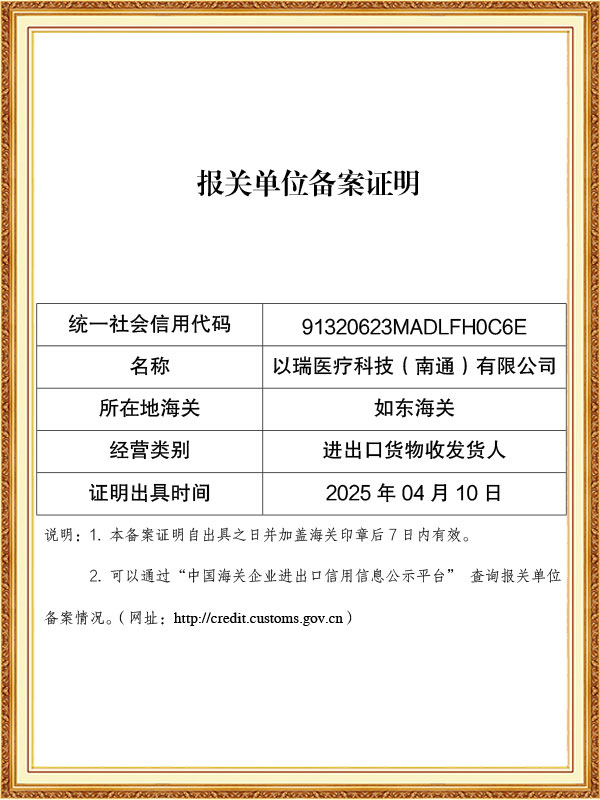
Eray Medical Technology (Nantong) Co., Ltd, focusing on the field of medical devices, is an integrated enterprise of industry and trade integrating R&D, production and sales. The company's manufacturing base is located in Rudong Economic Development Zone in Jiangsu Province, which has a favourable geographical location, convenient traffic and a good supporting environment for industrial clusters.
With a building area of 20,310 square metres, the company has a class 100,000 purified production workshop, a class 10,000 microbiology testing room, a local class 100 physical and chemical laboratory, and a standardised storage system for raw materials and finished products.
Since the initial batch of products were launched in 2013, Eray has continuously enriched its product categories. Our products have covered protective masks, nursing consumables, sensory control consumables, surgical instruments, providing safe, efficient and environmentally friendly disposable medical solutions for medical institutions worldwide.
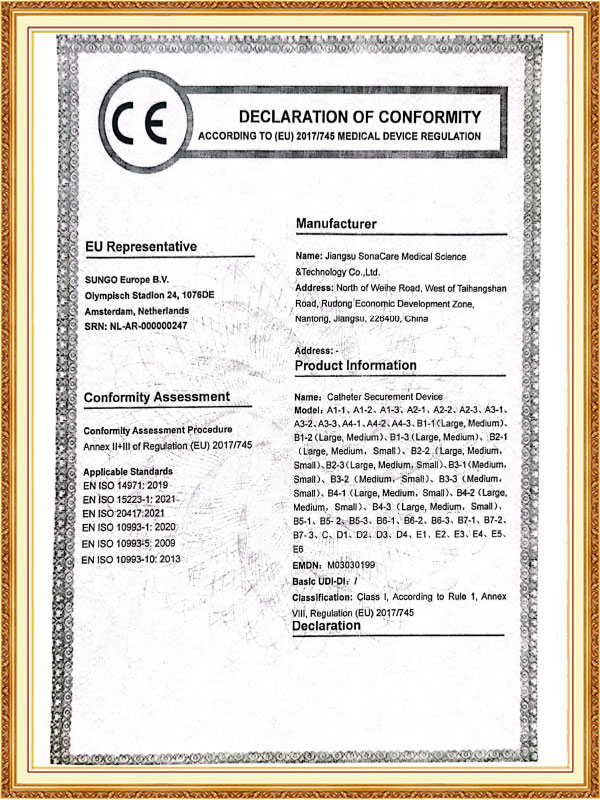
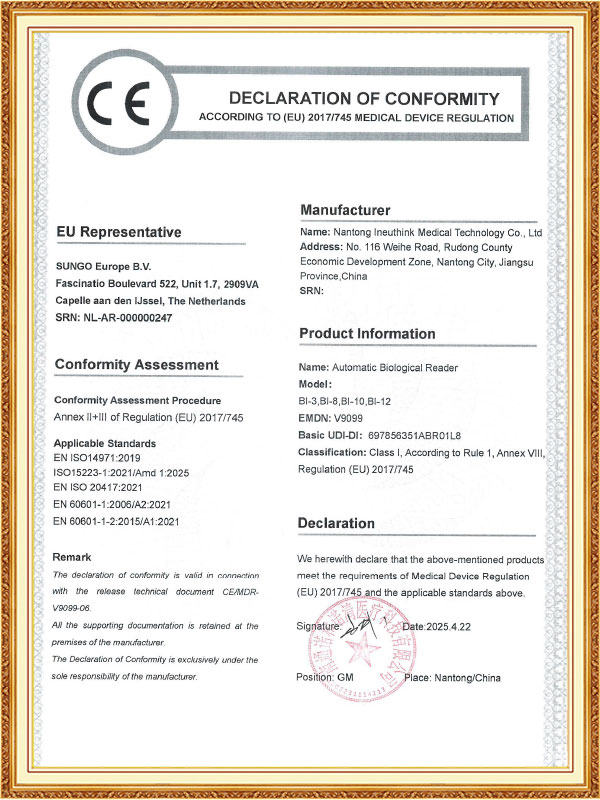
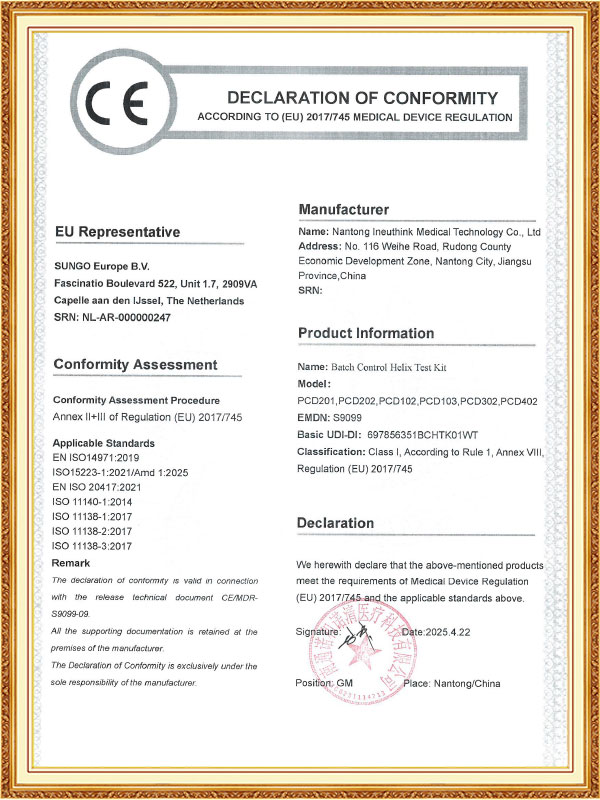
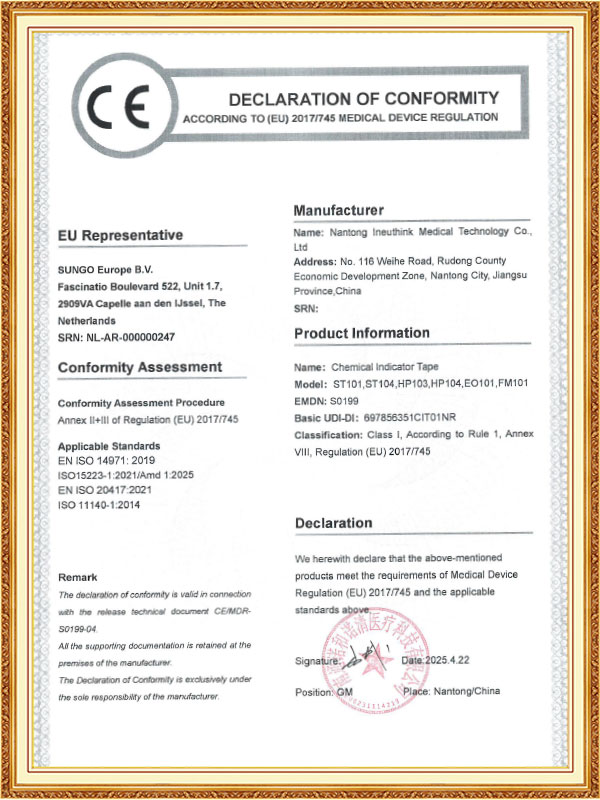
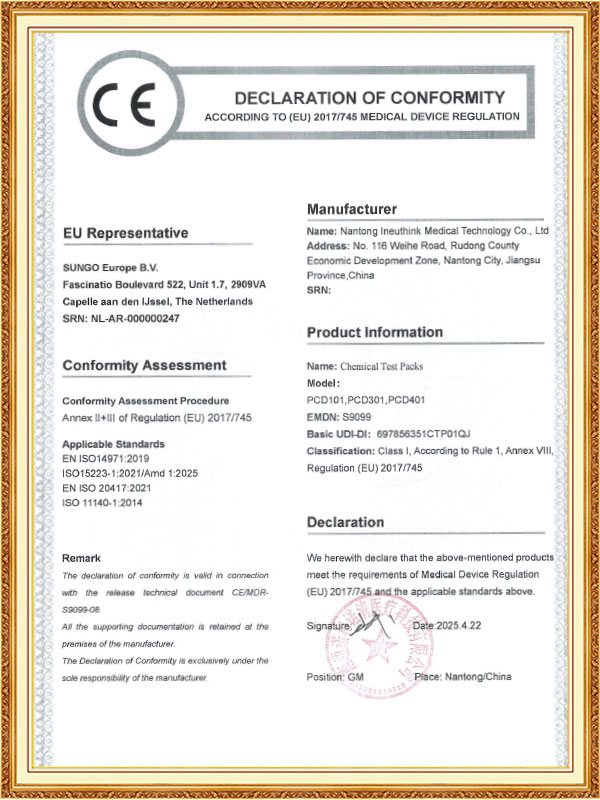
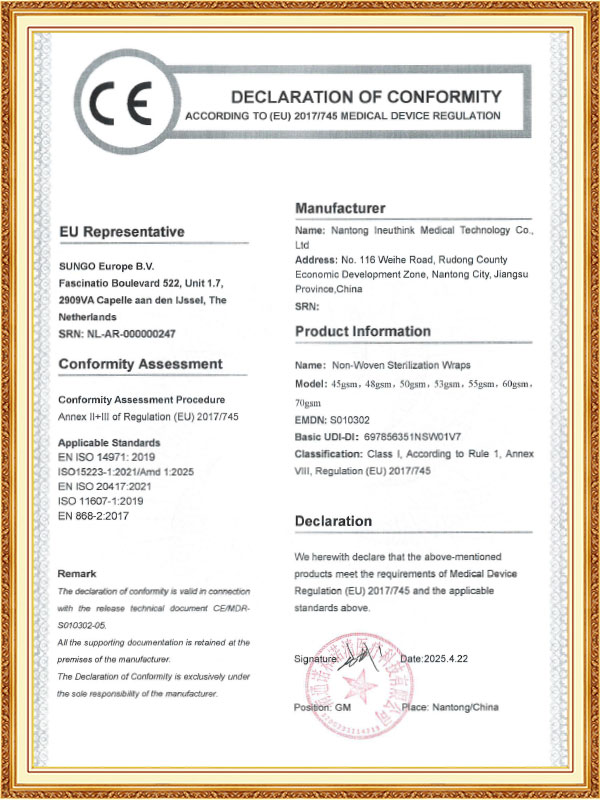
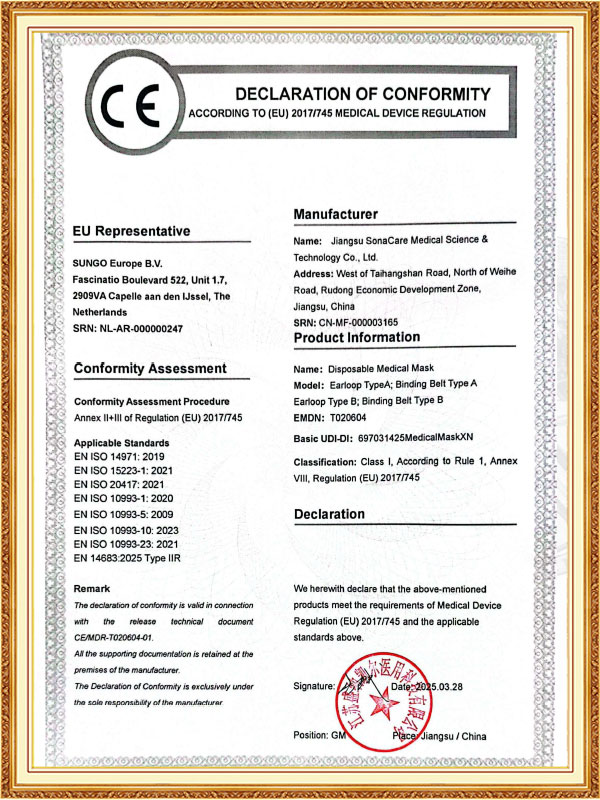
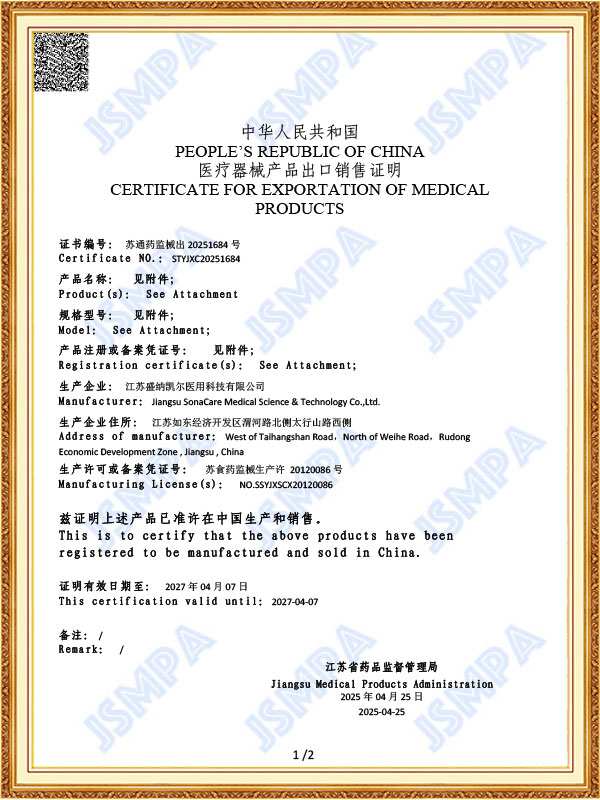
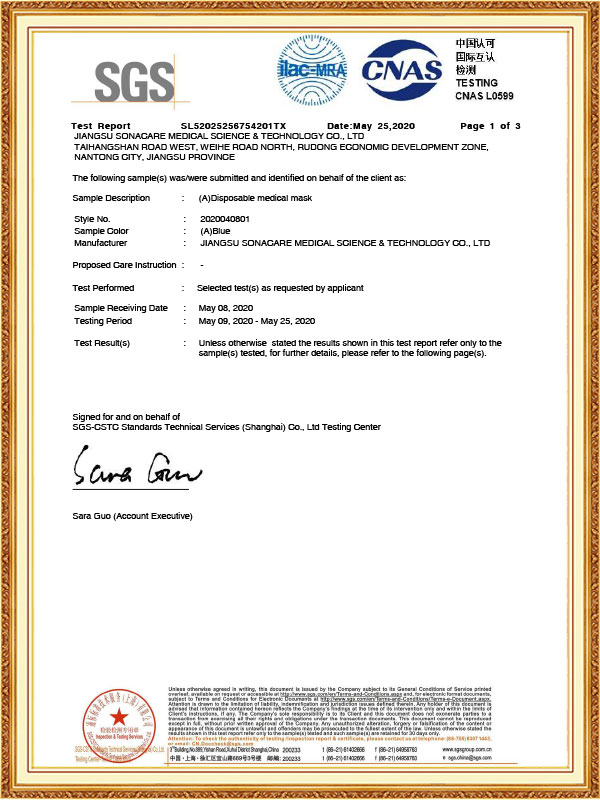
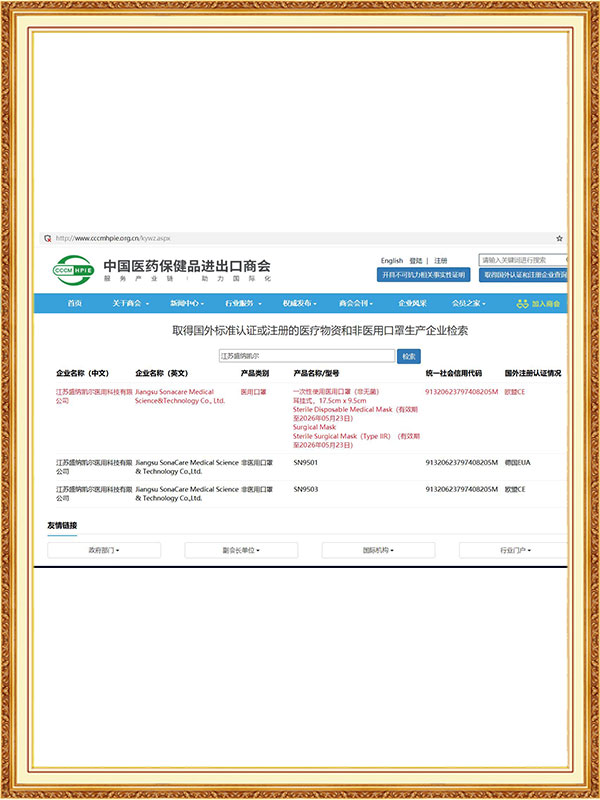
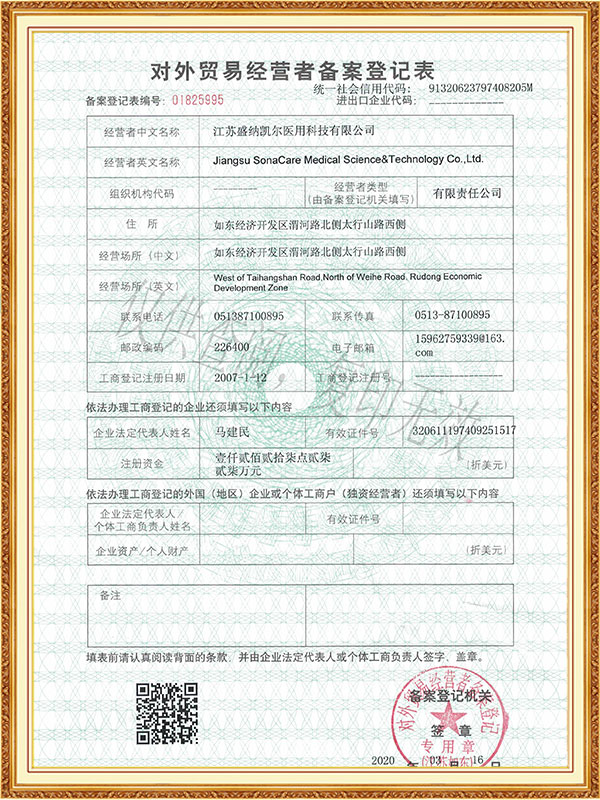
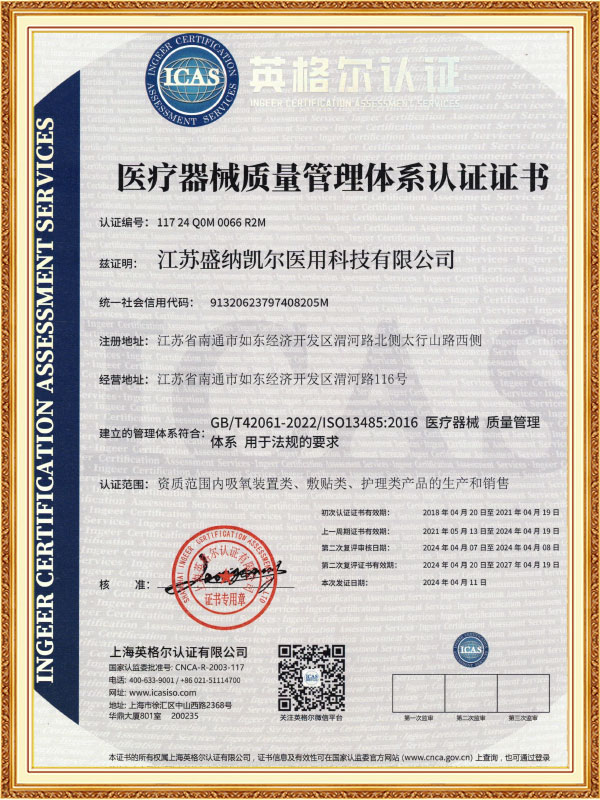
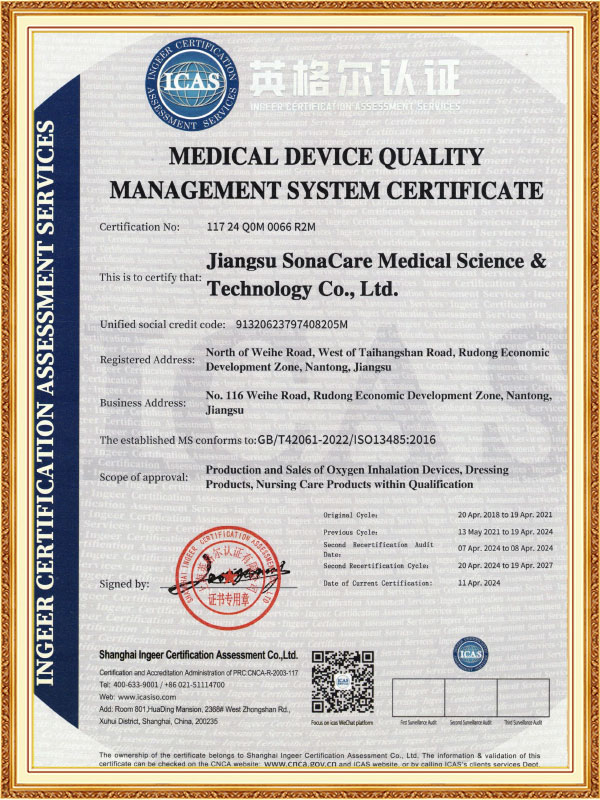
As a professional OEM Medical Laboratory Equipment Manufacturers and ODM Medical Laboratory Consumables Factory, The company has passed ISO 13485 and other quality system certifications, and some of its products have obtained CE certification and FDA filing permits, and has established long-term cooperative relationships with many domestic and foreign medical institutions and distributors.
Medical Laboratory Equipment And Consumables Manufacturers
information to be updated
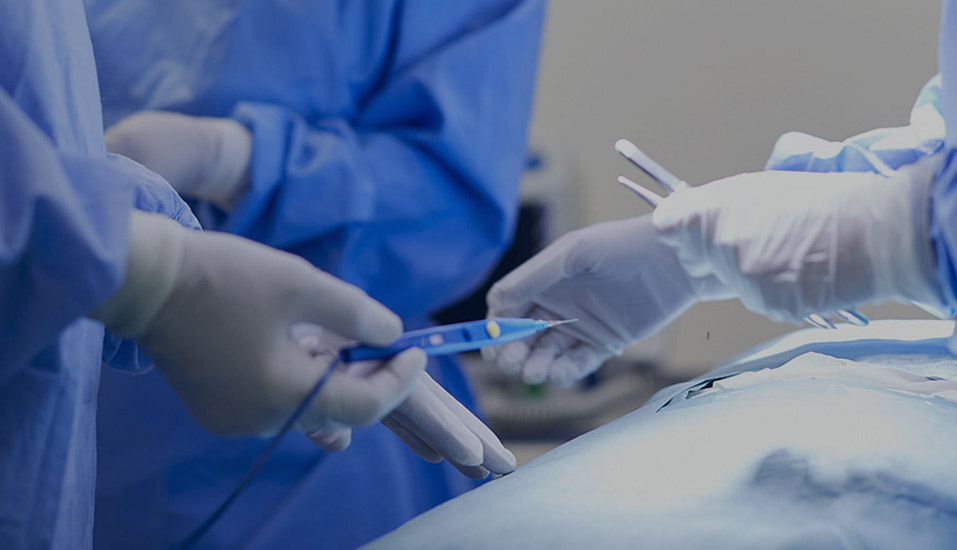
Eray Medical Technology (Nantong) Co., Ltd.
VIEW MORE
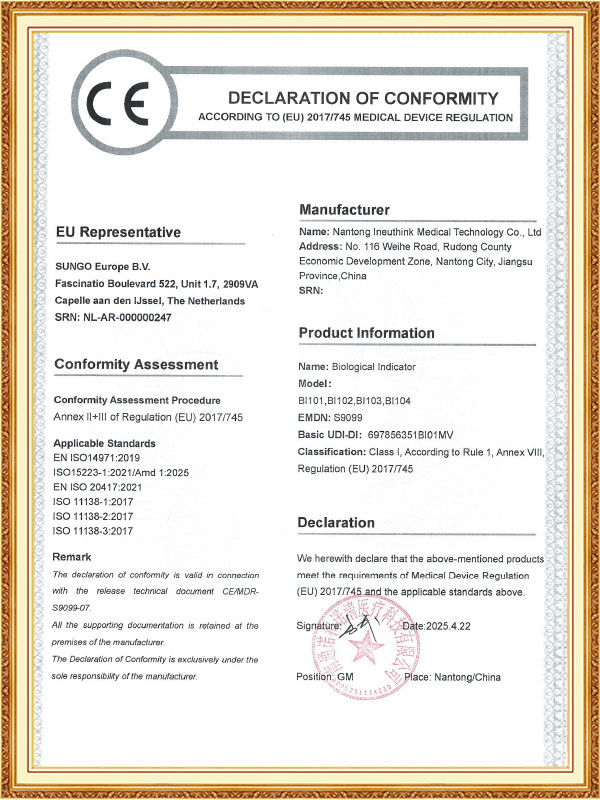
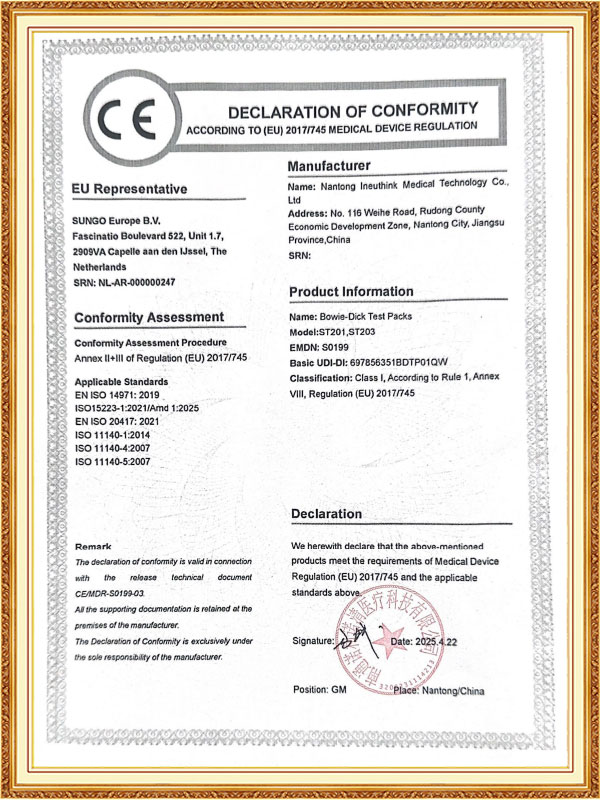
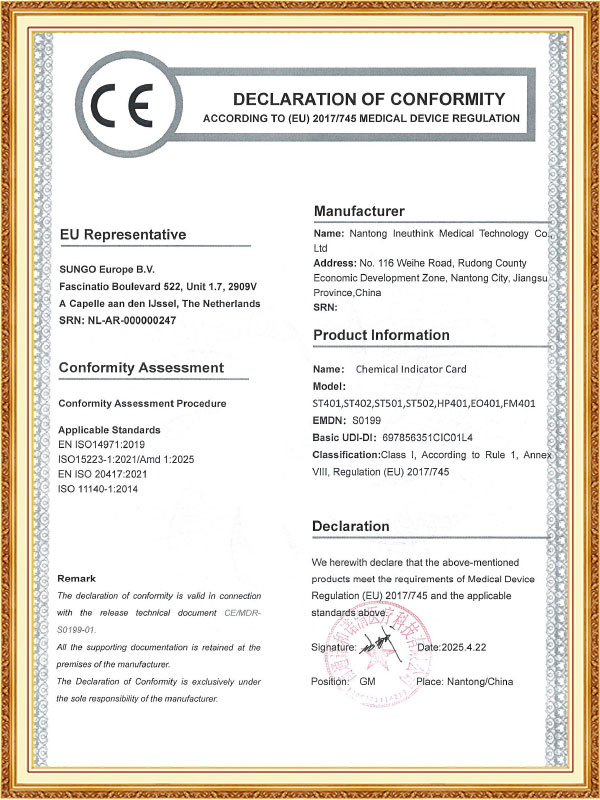
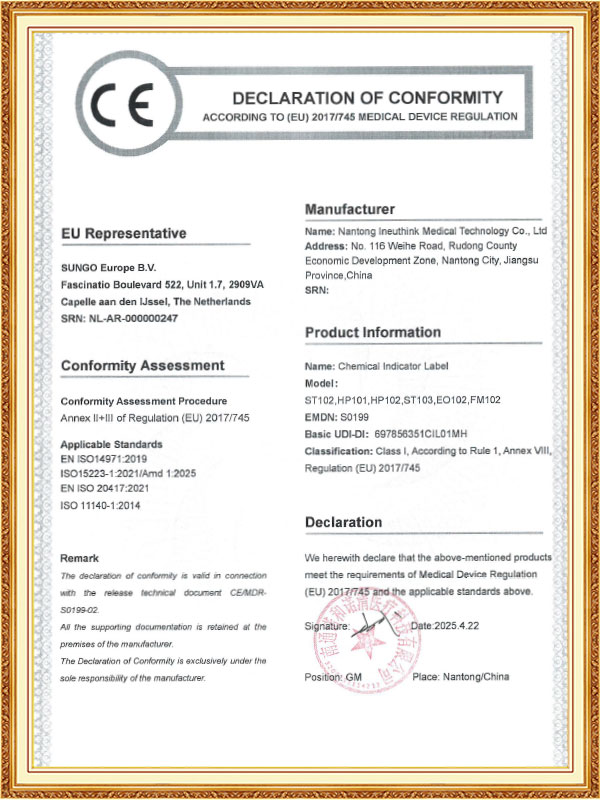
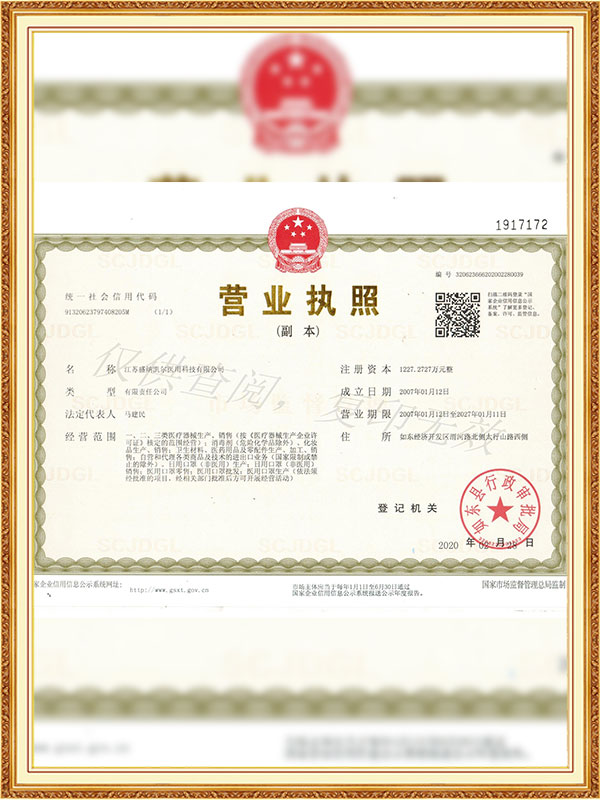
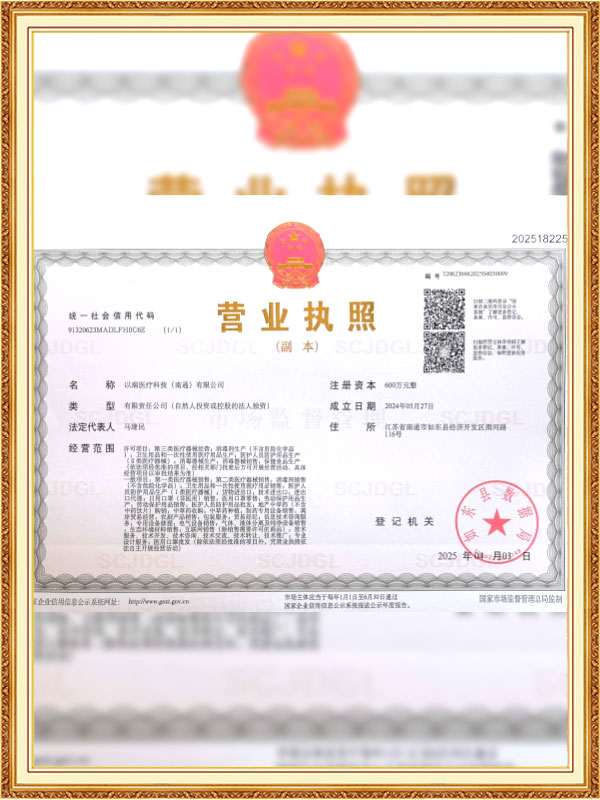
Certificate
Certificate of Honor
News
News & Update
-
Oct 14. 2026
CDC COVID Masking Guidelines: What the Current Framework Means for HospitalsIn the United States, the CDC's COVID masking guidelines are no longer one national instruction. They are a layered framework: risk-based recommendations for the general public, driven by local hospital data, plus a stricter set of infection-control rules for healthcare workers,...
Read More -
Oct 07. 2026
How to Wear a Face Mask Correctly: Fit, Orientation and Mask StandardsWatch ten people put on a procedure mask and you will usually spot the same three errors: the nose wire stays flat, the pleats point upward, and the bottom edge rests on the chin instead of under it. Fit-testing research keeps returning the same conclusion, that leakage around t...
Read More -
Sep 30. 2026
How Does Masking Work? The Science Behind Face Mask Particle FiltrationStanding in front of a stockroom shelf packed with disposable surgical masks, an infection control manager has one practical question: does this actually block the virus, or only the visible droplets? The evidence-based answer is yes — but with important qualifiers. Masking work...
Read More
Knowledge
Industry knowledge
In the laboratory and pharmaceutical fields, the cleanliness and sterility of instruments and equipment are directly related to the accuracy of experimental data and the safety of drug production. Leveraging years of expertise, Eray MedTech has launched a series of laboratory glassware washers and pharmaceutical sterilizers, providing comprehensive cleanliness solutions for the scientific research and pharmaceutical industries.
Laboratory Glassware Washer: Intelligent Cleanliness, Precision and Efficiency
The Eray MedTech laboratory glassware washer features an innovative design concept and integrates multiple patented technologies. Equipped with a multi-angle rotating spray system and a custom-designed washing basket, it ensures thorough cleaning of every corner of all types of custom-shaped glassware. An intelligent temperature control system automatically adjusts the water temperature to suit specific cleaning needs, reaching up to 93°C to effectively remove stubborn stains.
This washer is equipped with an advanced filtration system featuring a three-stage filtration design that effectively captures particles larger than 0.45μm. An innovative drying system uses efficient hot air circulation to ensure rapid, residue-free drying of glassware. The user-friendly interface supports multiple preset programs, allowing users to select the optimal cleaning solution for different glassware materials, significantly improving laboratory efficiency.
Pharmaceutical Sterilizers: Strict Standards, Safe and Reliable
Eray MedTech pharmaceutical sterilizers adhere strictly to GMP certification requirements and utilize advanced pulsating vacuum sterilization technology to ensure sterilization results achieve a sterility assurance level of 10^-6. Equipped with an intelligent control system, the equipment monitors and records key parameters such as temperature and pressure in real time, ensuring traceability and full compliance with FDA 21 CFR Part 11.
The sterilization chamber is constructed of high-quality 316L stainless steel, offering excellent corrosion resistance. Innovative steam penetration technology ensures that the sterilization medium fully penetrates the interior of the device, achieving optimal sterilization results even for complex instruments. Safety interlocks and multiple protection systems provide comprehensive operator safety.
Laboratory glassware washers and pharmaceutical sterilizers require a scientific and standardized daily management process. For glassware washers, drain all accumulated water and wipe the interior after each run. Regularly check the spray arm for smooth rotation and use a dedicated descaling agent monthly to remove scale buildup. Ensure water quality meets requirements, with conductivity below 15 μS/cm. Remove the cleaning basket weekly and clean the mesh with a soft brush to prevent clogging that could affect cleaning performance. Pharmaceutical sterilizer maintenance focuses on regular calibration of temperature and pressure sensors, quarterly verification of sterilization effectiveness using biological indicators, monthly application of silicone oil to maintain elasticity of the door seals, and weekly cleaning of the sterilization chamber interior and drain filter. For steam sterilizers, drain the boiler water after each daily run, and regularly test steam quality to ensure it is free of excessive impurities. Both washers and sterilizers should maintain comprehensive operating records, including run parameters, maintenance details, and troubleshooting. Professionals should perform a comprehensive maintenance every six months, inspecting the electrical system, piping connections, and mechanical components for wear. The key is to strictly follow the equipment manual to select the appropriate cleaning procedures and sterilization cycles to avoid overloading and premature aging of the equipment. All maintenance operations should be recorded in detail to form a traceable quality management file to ensure that the equipment is always in optimal working condition.
If you are interested in our products, please consult us
CONTACT DETAILS
- Address : 116 Weihe Road, Rudong County Economic Development Zone, Nantong City, Jiangsu Province,China
- TEL: : +86-18362400158
- Email: : jayne@eraymedtech.com
PRODUCTS
NEWS CENTER
MOBILE TERMINAL
Copyright © 2025 Eray Medical Technology (Nantong) Co., Ltd.
All Rights Reserved.
 Medical Laboratory Equipment Manufacturers
Medical Laboratory Consumables Factory
Medical Laboratory Equipment Manufacturers
Medical Laboratory Consumables Factory
 CONTACT US
