


 English
 Español
 Français

Disposable Protective Mask Suppliers
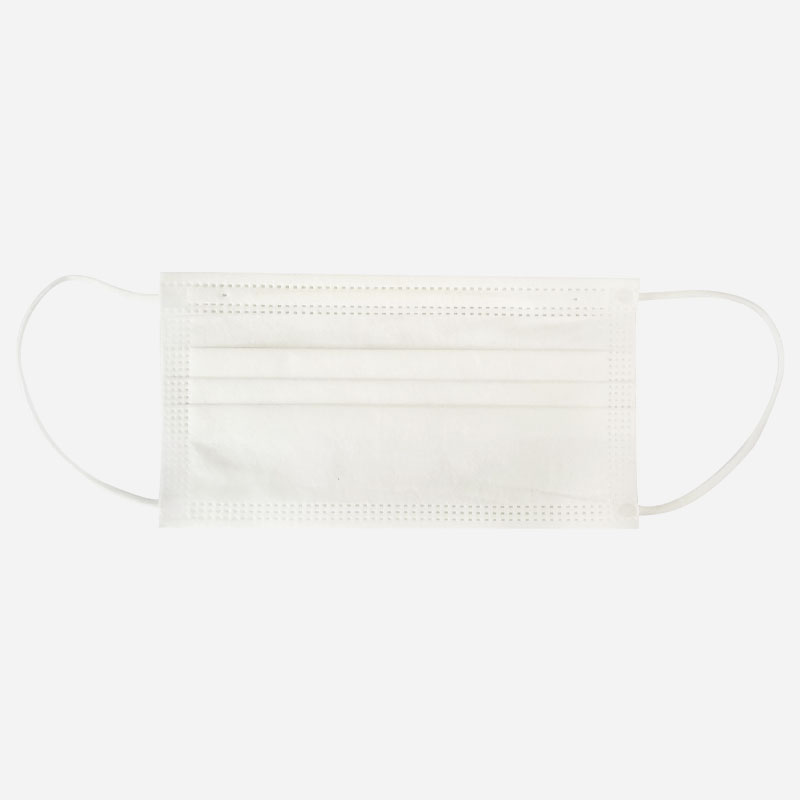
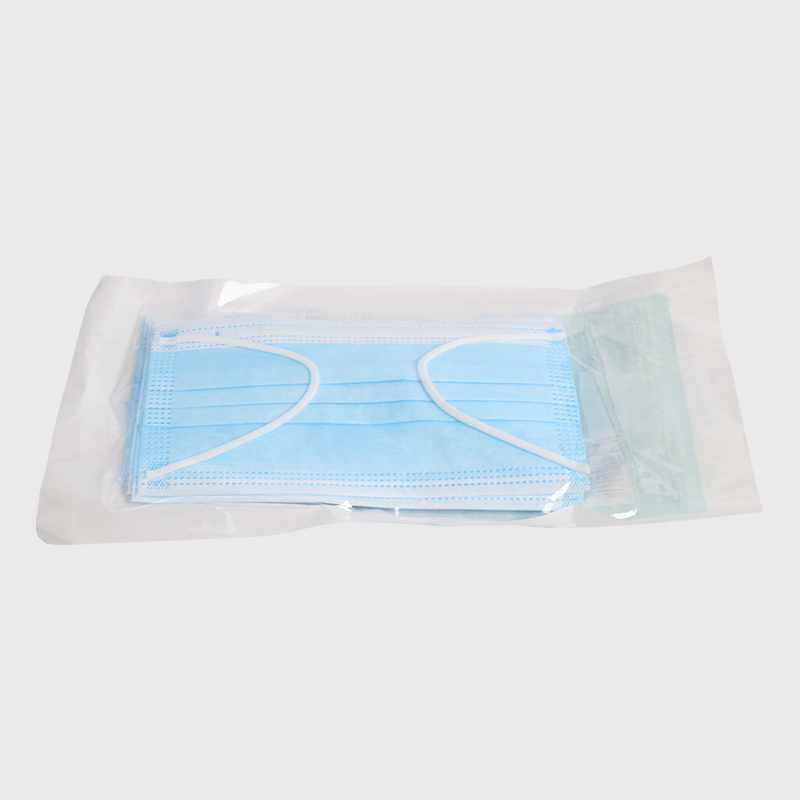
Eray MedTech Face Masks - Breathe Safe, Stay Protected
Advanced Protection · Comfortable Fit · Planet Friendly
Features multi-layer filtration to block airborne particles, bacteria, viruses, and pollutants.
Prioritizes comfort with soft elastic ear loops and an adjustable nose clip for a secure, pressure-free fit.
Crafted from biodegradable materials to minimize environmental impact.
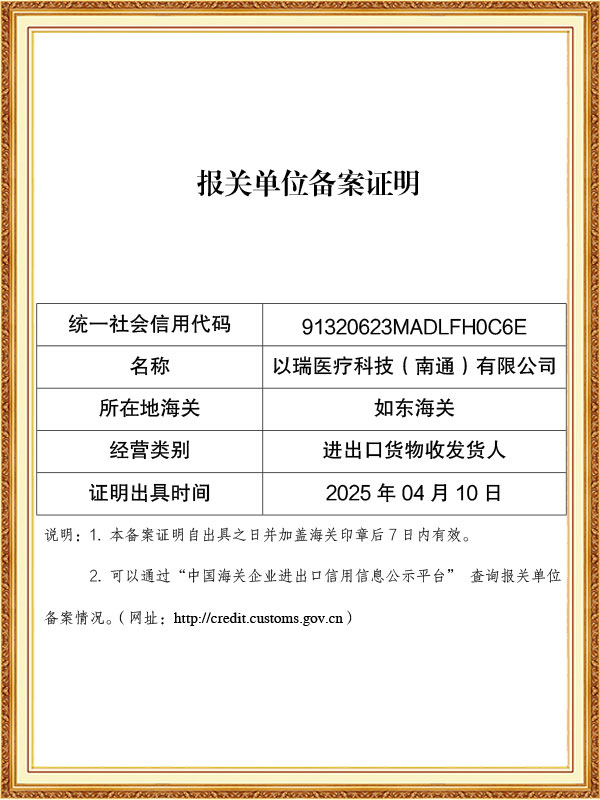
Eray Medical Technology (Nantong) Co., Ltd.
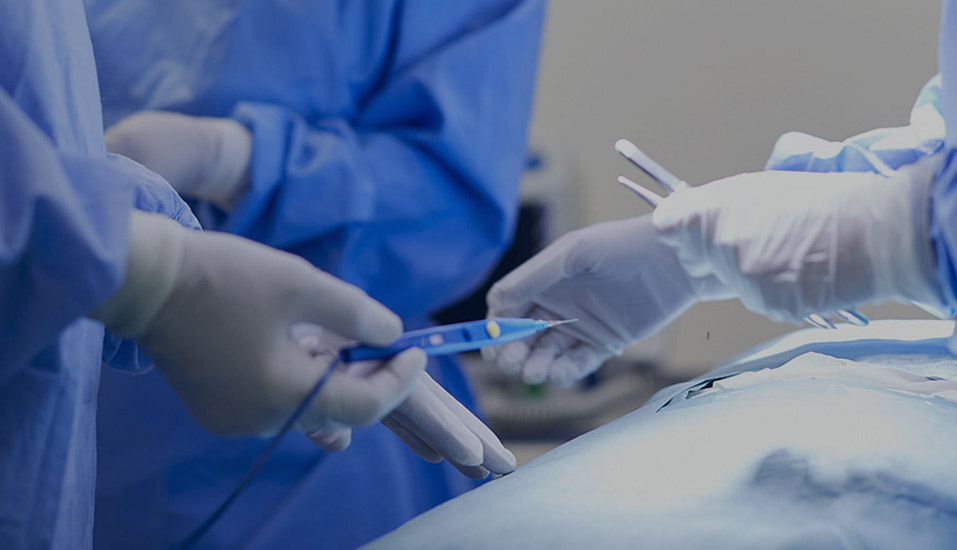
Eray Medical Technology (Nantong) Co., Ltd, focusing on the field of medical devices, is an integrated enterprise of industry and trade integrating R&D, production and sales. The company's manufacturing base is located in Rudong Economic Development Zone in Jiangsu Province, which has a favourable geographical location, convenient traffic and a good supporting environment for industrial clusters.
With a building area of 20,310 square metres, the company has a class 100,000 purified production workshop, a class 10,000 microbiology testing room, a local class 100 physical and chemical laboratory, and a standardised storage system for raw materials and finished products.
Since the initial batch of products were launched in 2013, Eray has continuously enriched its product categories. Our products have covered protective masks, nursing consumables, sensory control consumables, surgical instruments, providing safe, efficient and environmentally friendly disposable medical solutions for medical institutions worldwide.
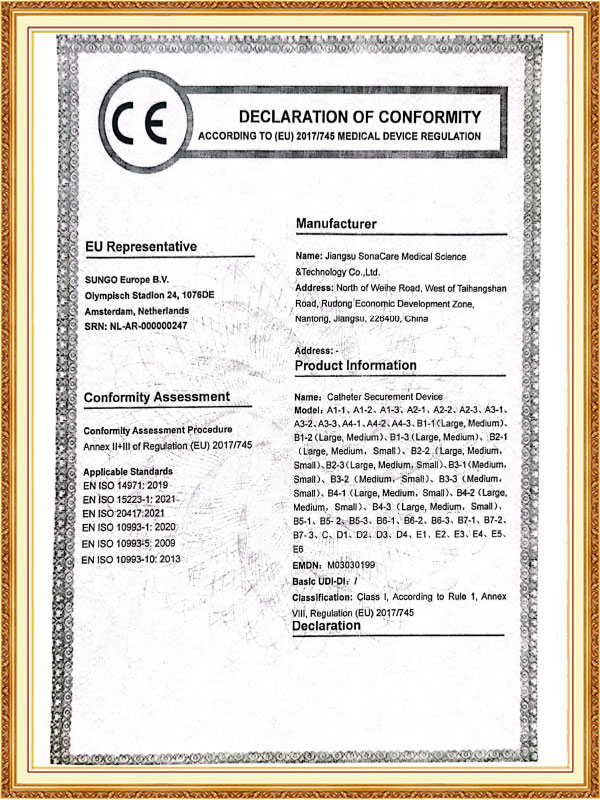
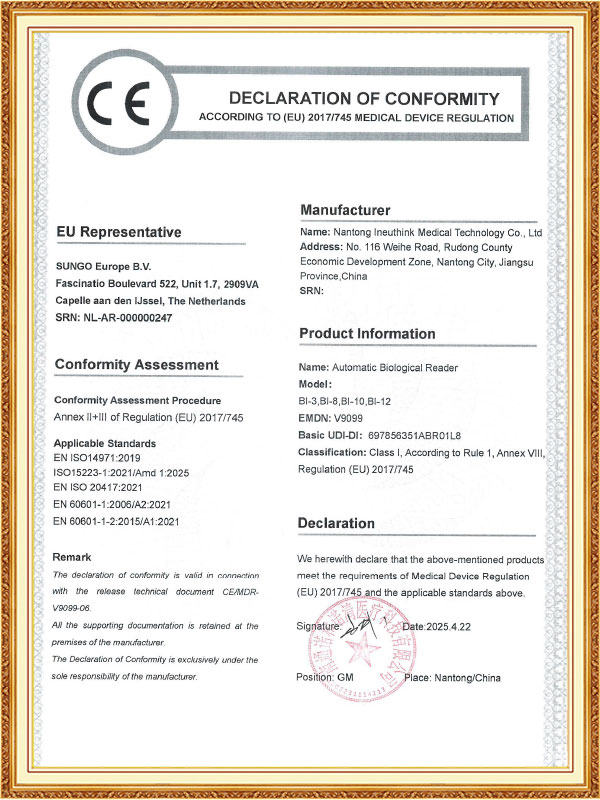
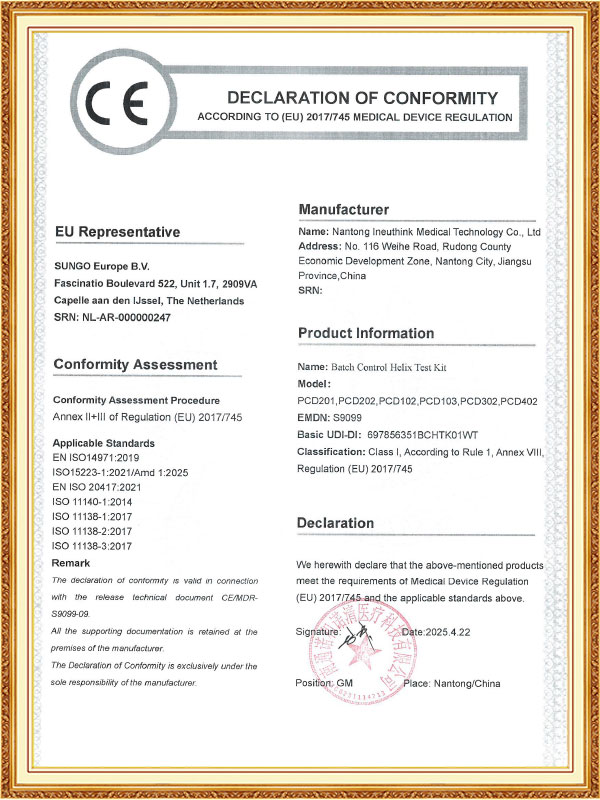
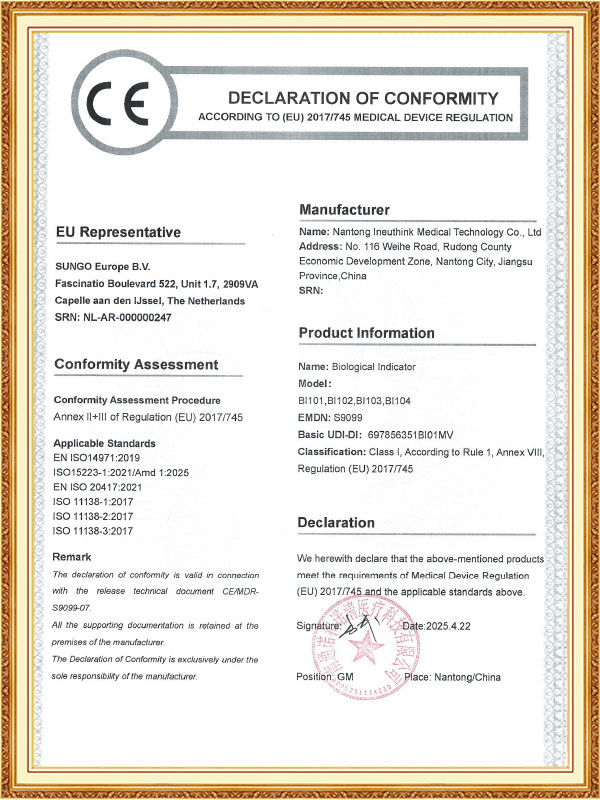
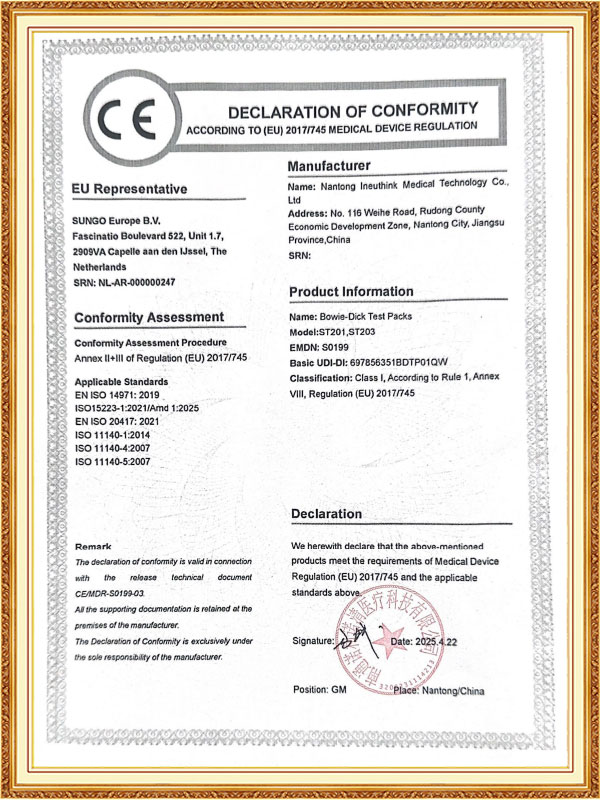
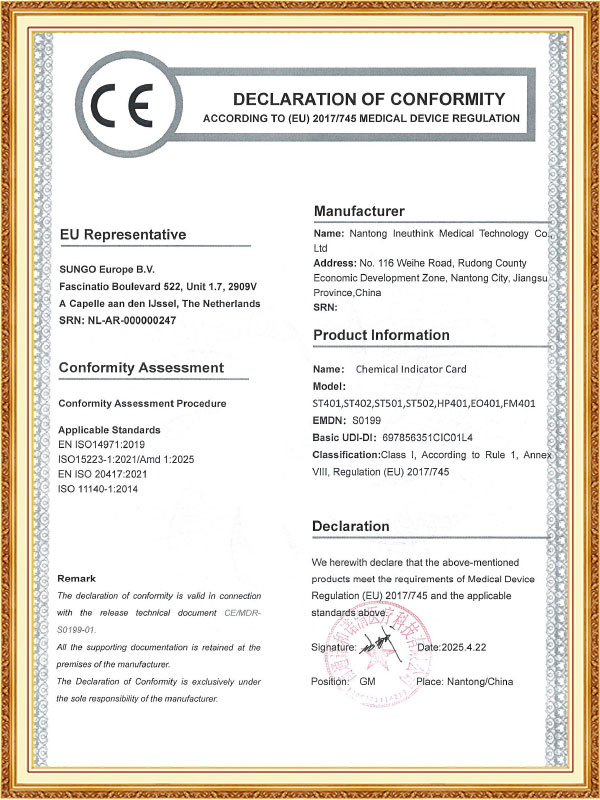
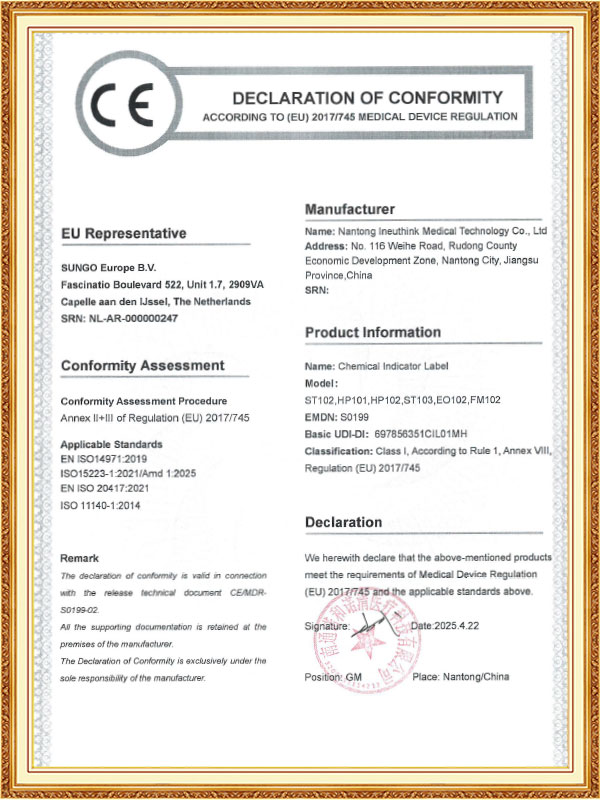
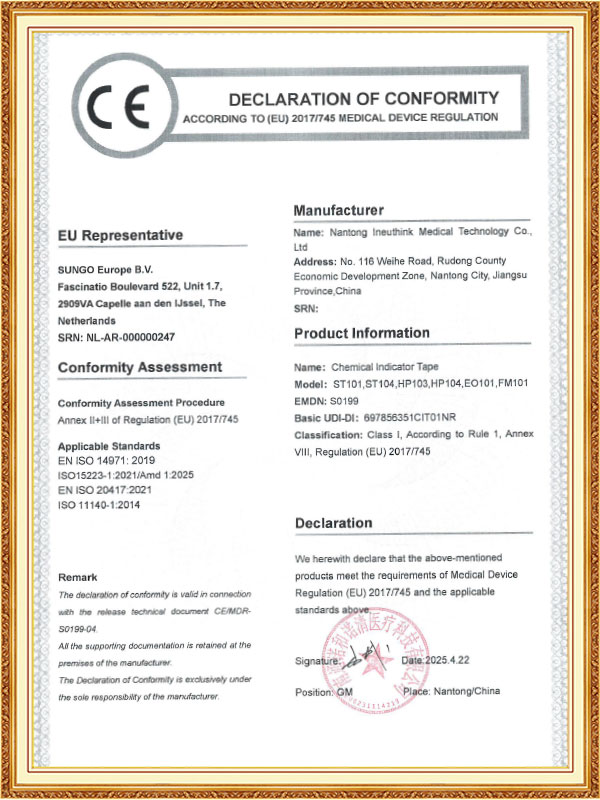
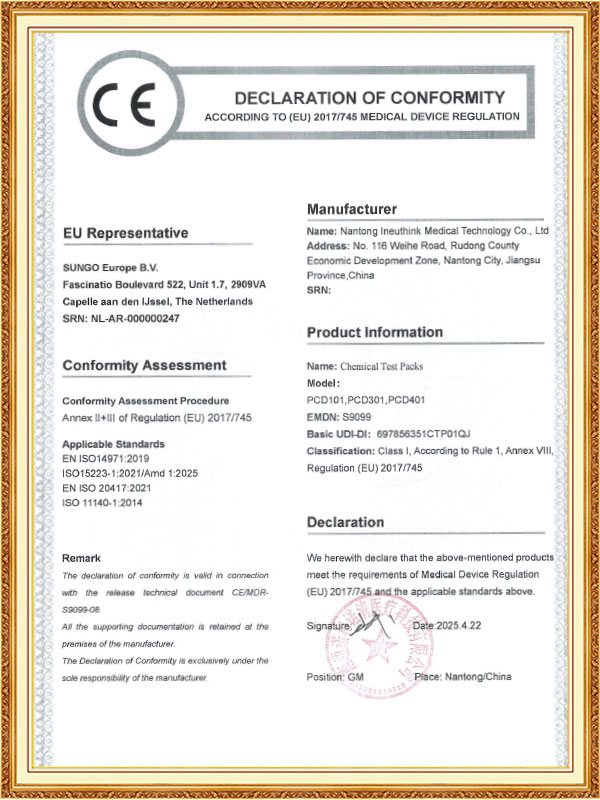
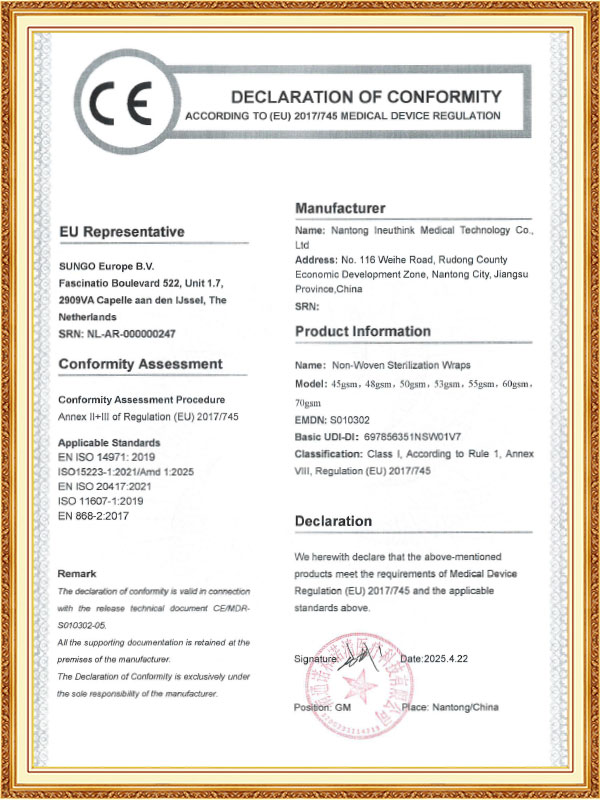
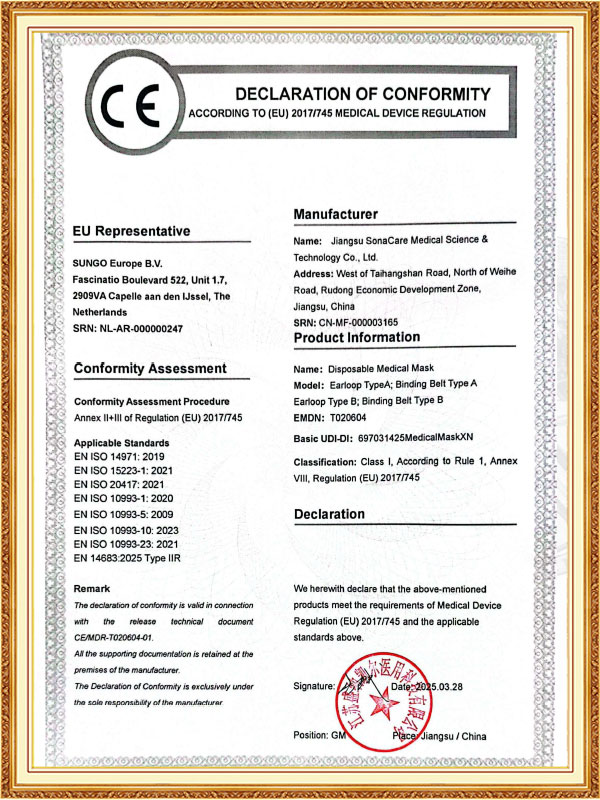
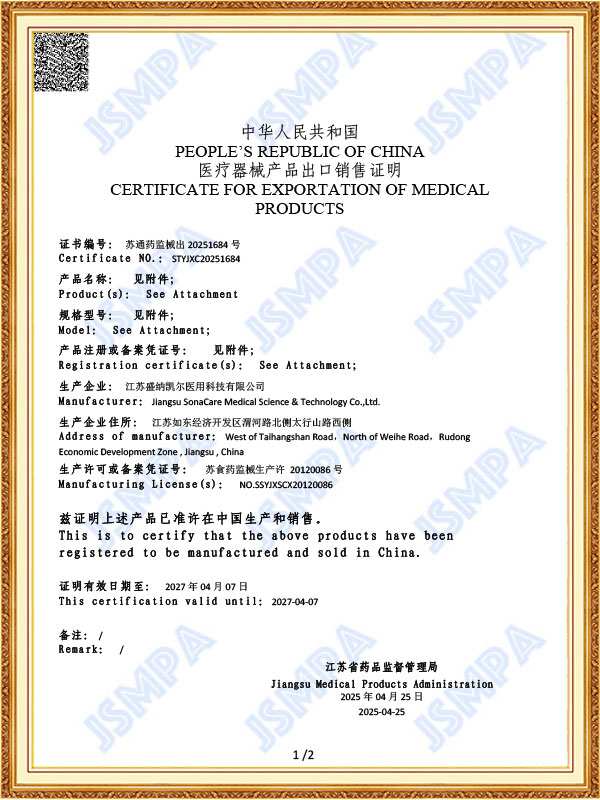
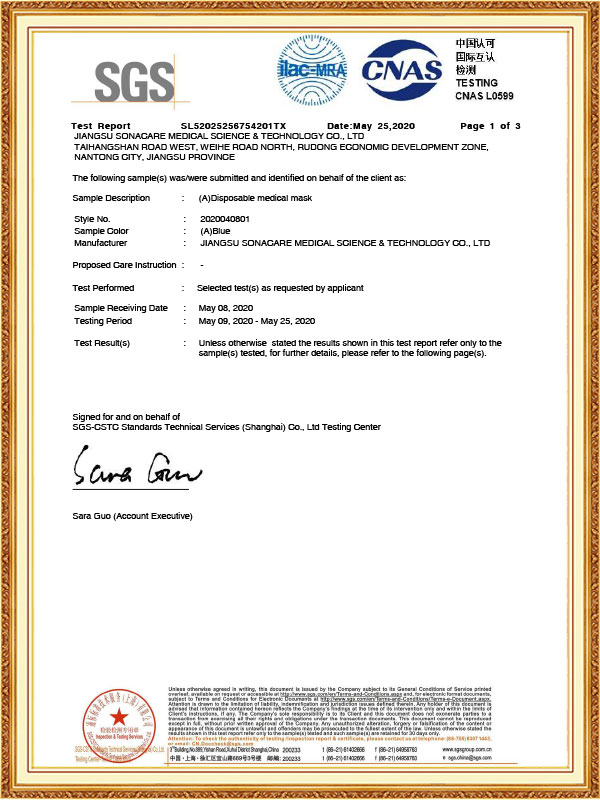
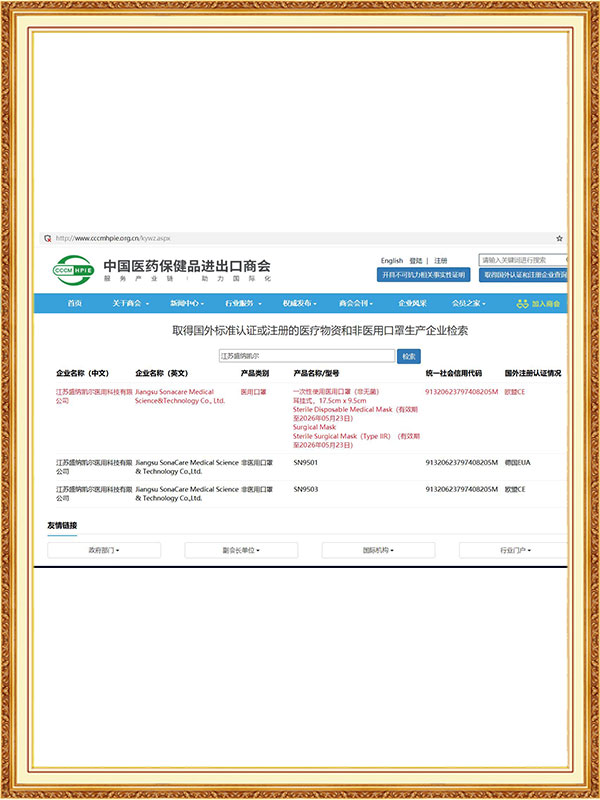
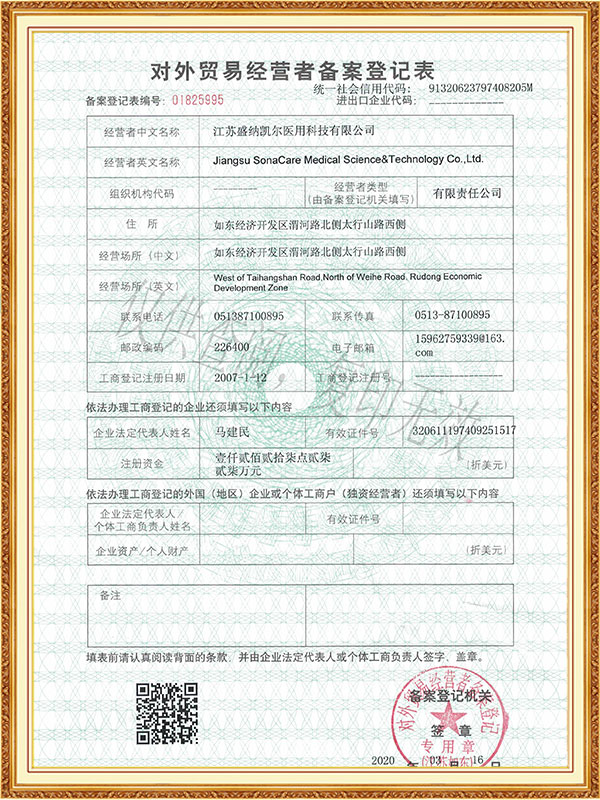
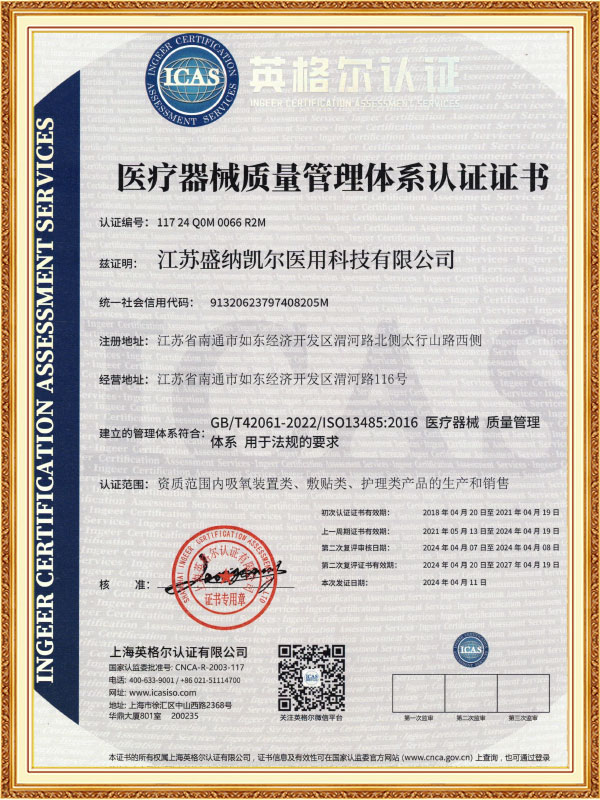
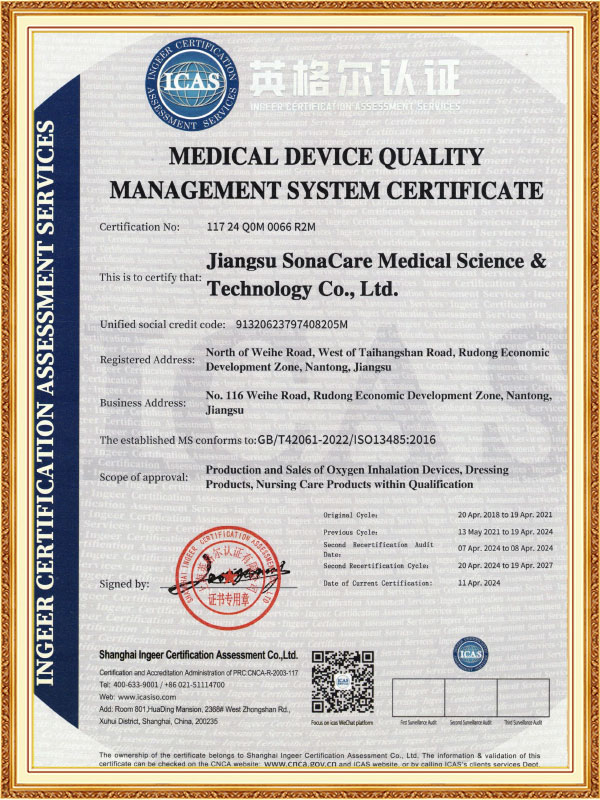
As a professional OEM Disposable Protective Mask Suppliers and ODM Disposable Face Masks Factory, The company has passed ISO 13485 and other quality system certifications, and some of its products have obtained CE certification and FDA filing permits, and has established long-term cooperative relationships with many domestic and foreign medical institutions and distributors.
VIEW MORE
With a building area of 20,310 square metres, the company has a class 100,000 purified production workshop, a class 10,000 microbiology testing room, a local class 100 physical and chemical laboratory, and a standardised storage system for raw materials and finished products.
Since the initial batch of products were launched in 2013, Eray has continuously enriched its product categories. Our products have covered protective masks, nursing consumables, sensory control consumables, surgical instruments, providing safe, efficient and environmentally friendly disposable medical solutions for medical institutions worldwide.
As a professional OEM Disposable Protective Mask Suppliers and ODM Disposable Face Masks Factory, The company has passed ISO 13485 and other quality system certifications, and some of its products have obtained CE certification and FDA filing permits, and has established long-term cooperative relationships with many domestic and foreign medical institutions and distributors.
Certificate
Certificate of Honor


News
News & Update
-
Oct 14. 2026
CDC COVID Masking Guidelines: What the Current Framework Means for HospitalsIn the United States, the CDC's COVID masking guidelines are no longer one national instruction. They are a layered framework: risk-based recommendations for the general public, driven by local hospital data, plus a stricter set of infection-control rules for healthcare workers,...
Read More -
Oct 07. 2026
How to Wear a Face Mask Correctly: Fit, Orientation and Mask StandardsWatch ten people put on a procedure mask and you will usually spot the same three errors: the nose wire stays flat, the pleats point upward, and the bottom edge rests on the chin instead of under it. Fit-testing research keeps returning the same conclusion, that leakage around t...
Read More -
Sep 30. 2026
How Does Masking Work? The Science Behind Face Mask Particle FiltrationStanding in front of a stockroom shelf packed with disposable surgical masks, an infection control manager has one practical question: does this actually block the virus, or only the visible droplets? The evidence-based answer is yes — but with important qualifiers. Masking work...
Read More
Knowledge
Industry knowledge
Protective masks play an irreplaceable role in protecting people's health. Whether combating air pollution, pollen allergies, or preventing the spread of viruses, masks have become an essential item for daily travel. Their core function is to filter out harmful airborne particles such as dust, bacteria, viruses, and smog, thereby reducing their potential harm to the human body. Especially during flu season or public health events, properly wearing a mask can significantly reduce the risk of infection, providing dual protection for both the individual and others.
The characteristics of protective masks are primarily reflected in their materials and design. High-quality masks typically feature a multi-layer construction. A waterproof non-woven outer layer blocks droplets and large particles; a meltblown middle layer provides electrostatic absorption and effectively filters fine particles; and a skin-friendly inner layer provides comfort. Many masks also feature an adjustable nose clip to ensure a secure fit and prevent air leaks. Additionally, some masks feature an exhalation valve to reduce the feeling of stuffiness during wear, making them suitable for extended wear. With technological advancements, some masks have also incorporated antibacterial and deodorizing features, further enhancing protection and user experience.
When using a protective mask, there are key considerations to ensure its effectiveness. First, choose a mask that meets national standards, such as a surgical mask or KN95 mask, and avoid inferior products. Clean your hands before wearing, ensure the mask covers your mouth, nose, and chin, and secure the nose clip to your face. If the mask becomes wet or contaminated, it should be replaced promptly and should not be reused. Avoid touching the outer layer of the mask when removing it, and properly dispose of or wash it (if it's a reusable type) after removal. Furthermore, while masks can provide protection, they cannot completely replace other epidemic prevention measures, such as frequent handwashing and maintaining social distance. Comprehensive protection is more effective in protecting health.
Proper filtering performance and ease of use make protective masks a crucial tool for health protection. Choosing and using a mask correctly not only protects you but also contributes to public health. During special times or in polluted environments, carrying a mask and practicing good protective habits is a sign of responsibility to yourself and society.
If you are interested in our products, please consult us
CONTACT DETAILS
- Address : 116 Weihe Road, Rudong County Economic Development Zone, Nantong City, Jiangsu Province,China
- TEL: : +86-18362400158
- Email: : jayne@eraymedtech.com
PRODUCTS
NEWS CENTER
MOBILE TERMINAL
Copyright © 2025 Eray Medical Technology (Nantong) Co., Ltd.
All Rights Reserved.
 Disposable Protective Mask Suppliers
Disposable Face Masks Factory
Disposable Protective Mask Suppliers
Disposable Face Masks Factory
 CONTACT US
