


 English
 Español
 Français
Surgical Ligation Instruments And Consumables Factory


Surgical Ligation Instruments And Consumables Manufacturers
Eray Medical Technology (Nantong) Co., Ltd.
Eray Medical Technology (Nantong) Co., Ltd, focusing on the field of medical devices, is an integrated enterprise of industry and trade integrating R&D, production and sales. The company's manufacturing base is located in Rudong Economic Development Zone in Jiangsu Province, which has a favourable geographical location, convenient traffic and a good supporting environment for industrial clusters.
With a building area of 20,310 square metres, the company has a class 100,000 purified production workshop, a class 10,000 microbiology testing room, a local class 100 physical and chemical laboratory, and a standardised storage system for raw materials and finished products.
Since the initial batch of products were launched in 2013, Eray has continuously enriched its product categories. Our products have covered protective masks, nursing consumables, sensory control consumables, surgical instruments, providing safe, efficient and environmentally friendly disposable medical solutions for medical institutions worldwide.
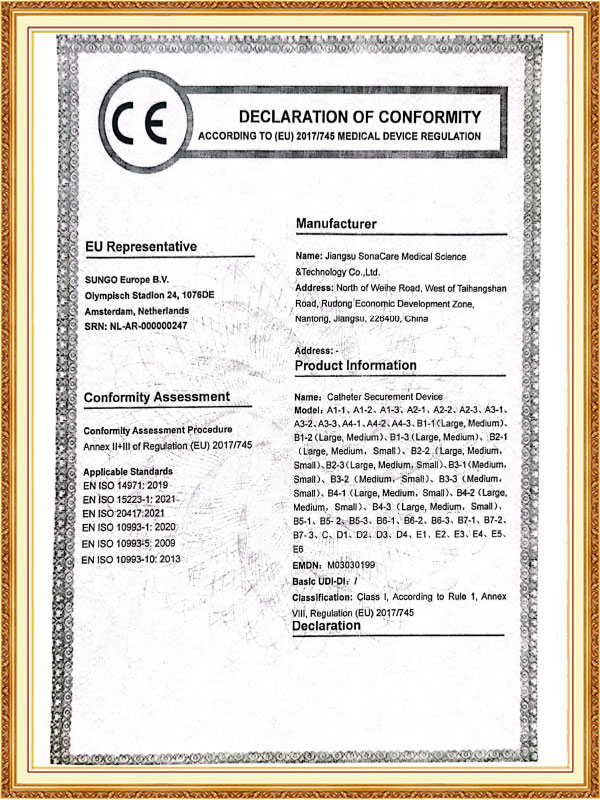
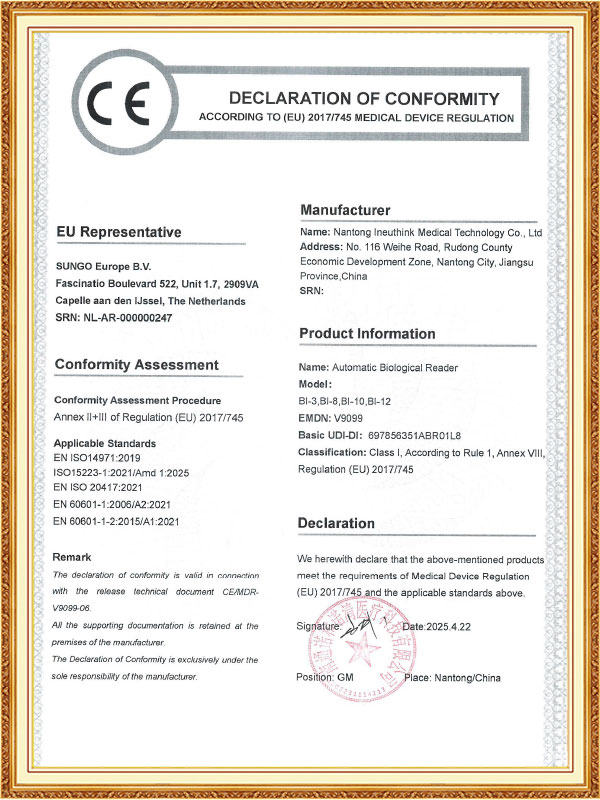
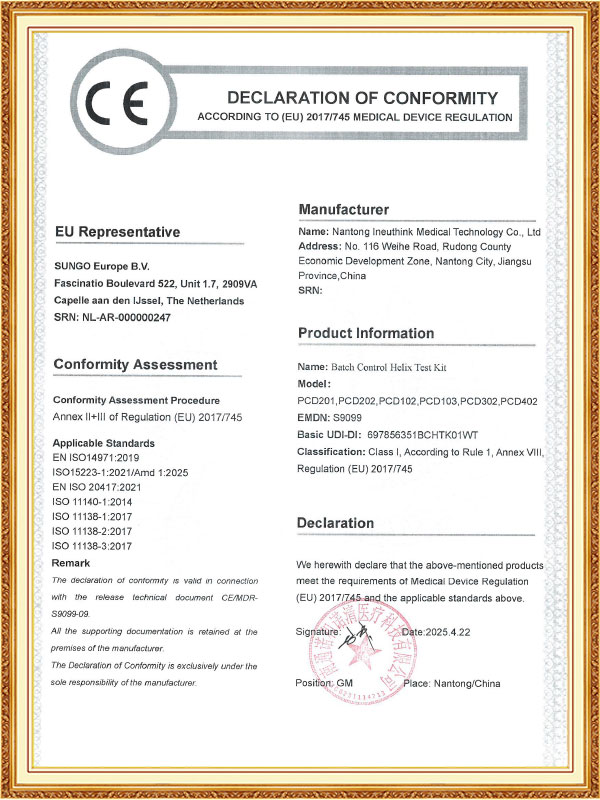
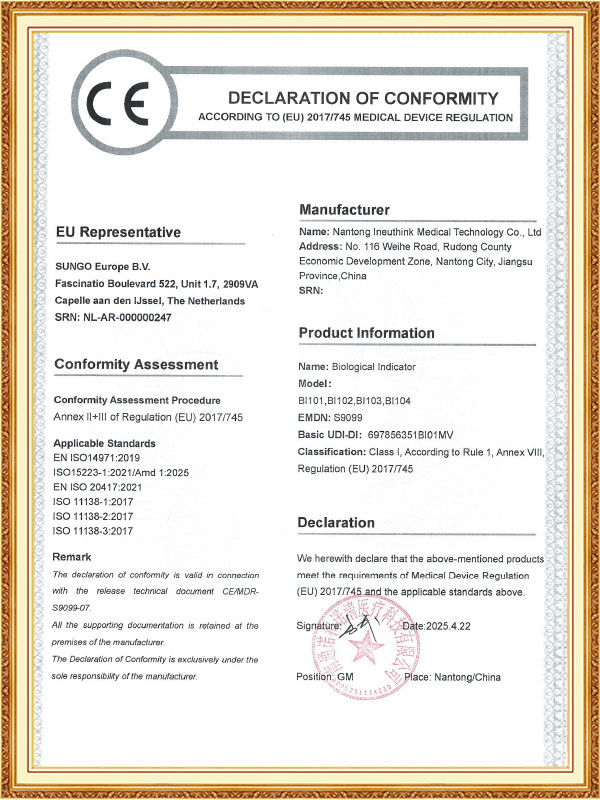
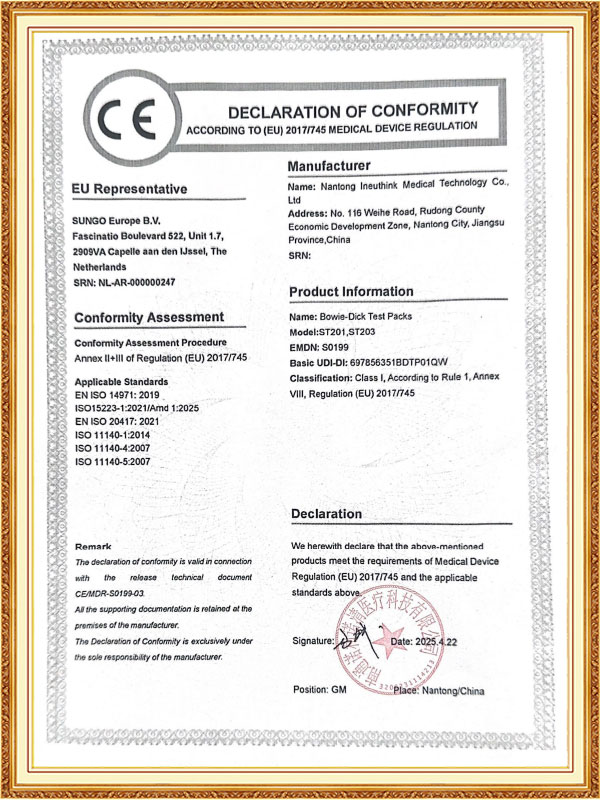
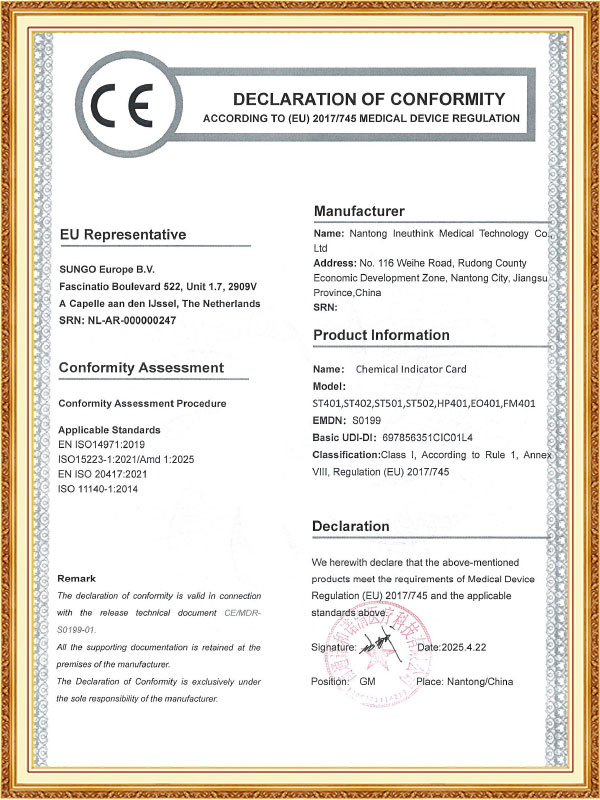
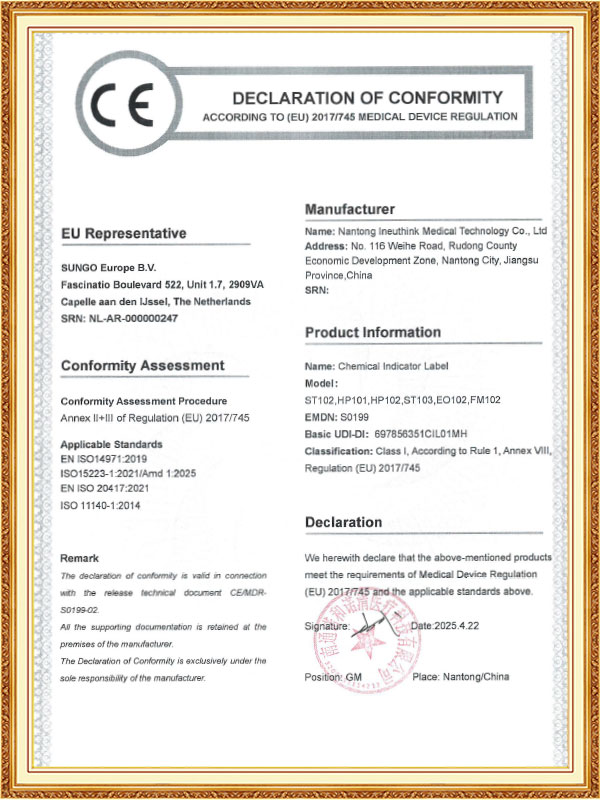
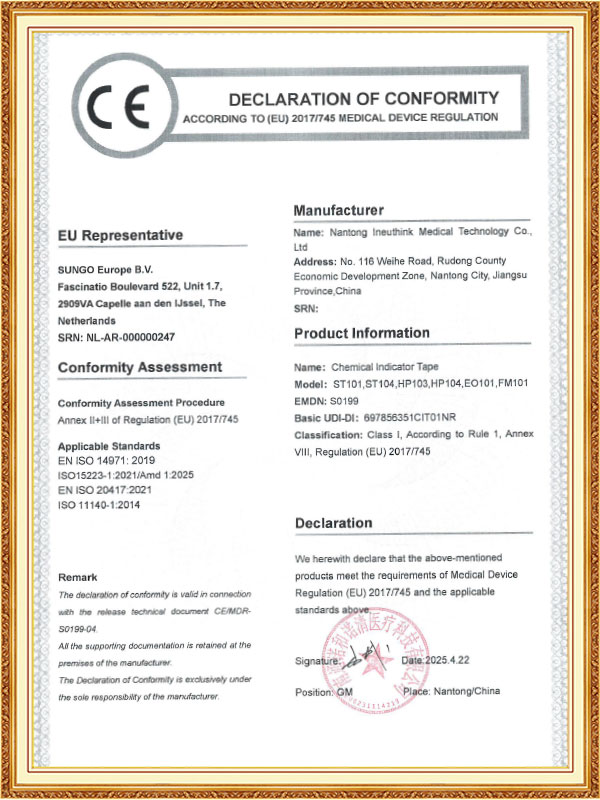
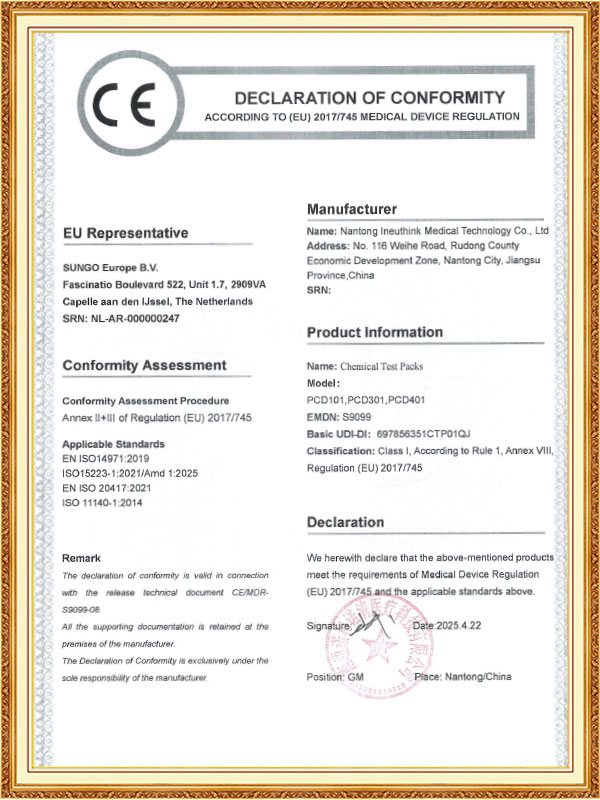
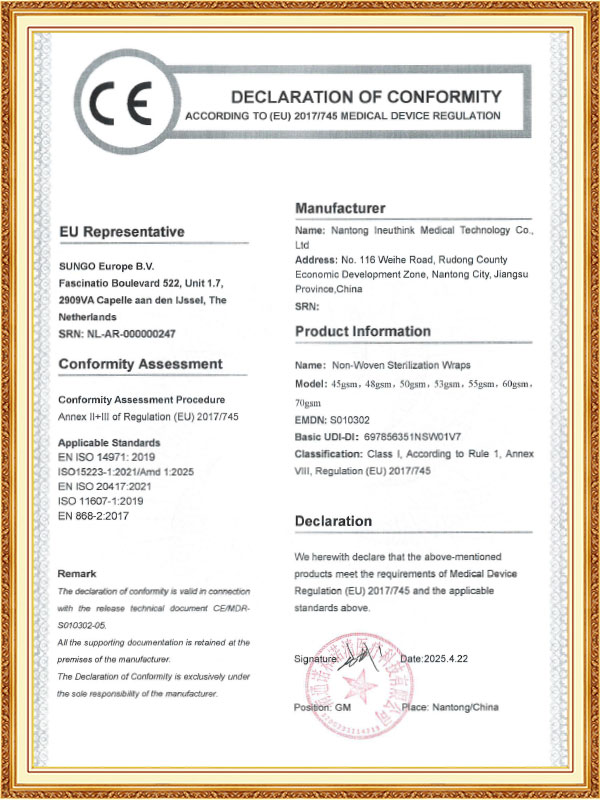
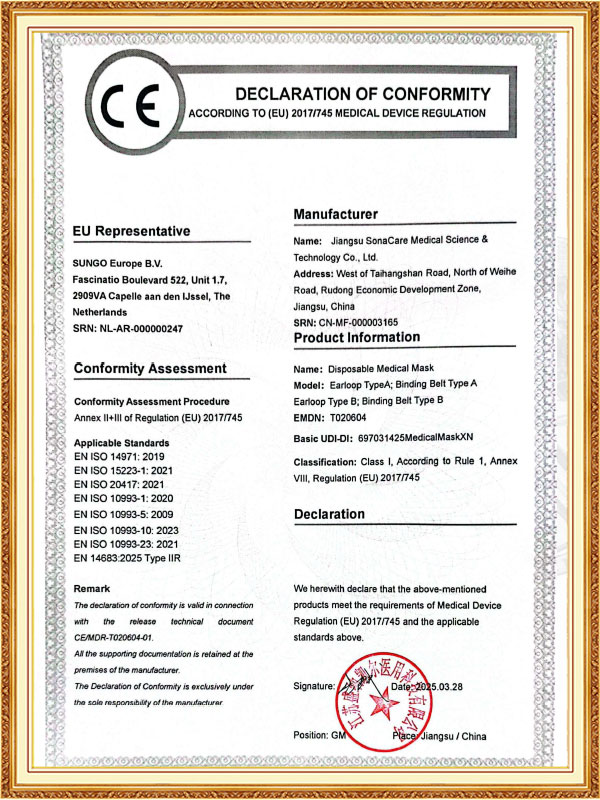
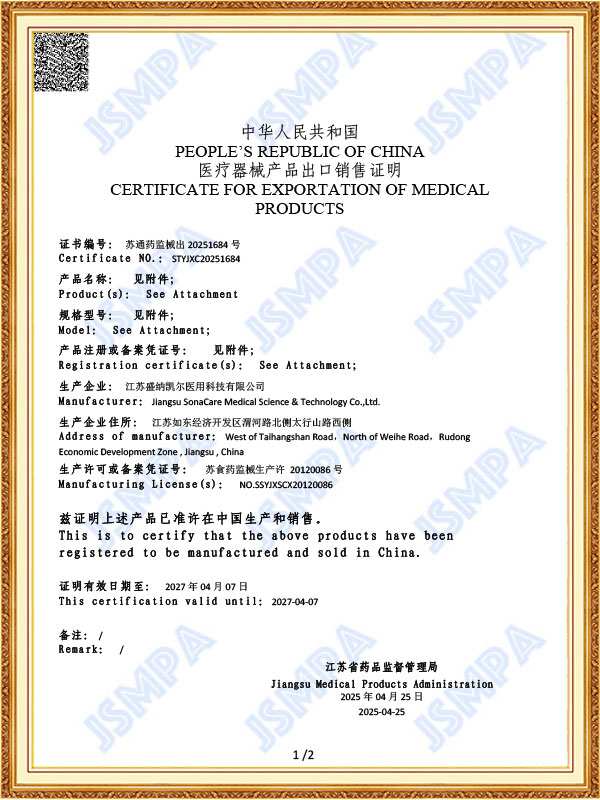
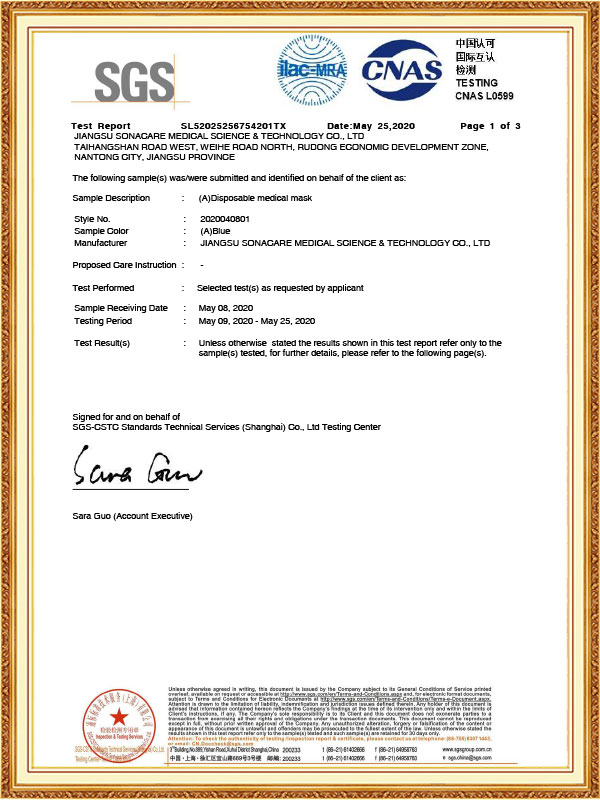
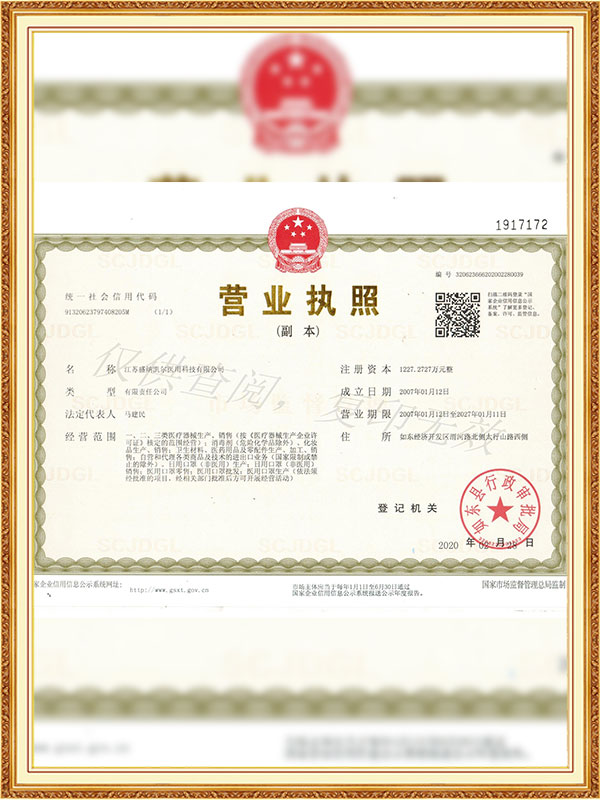
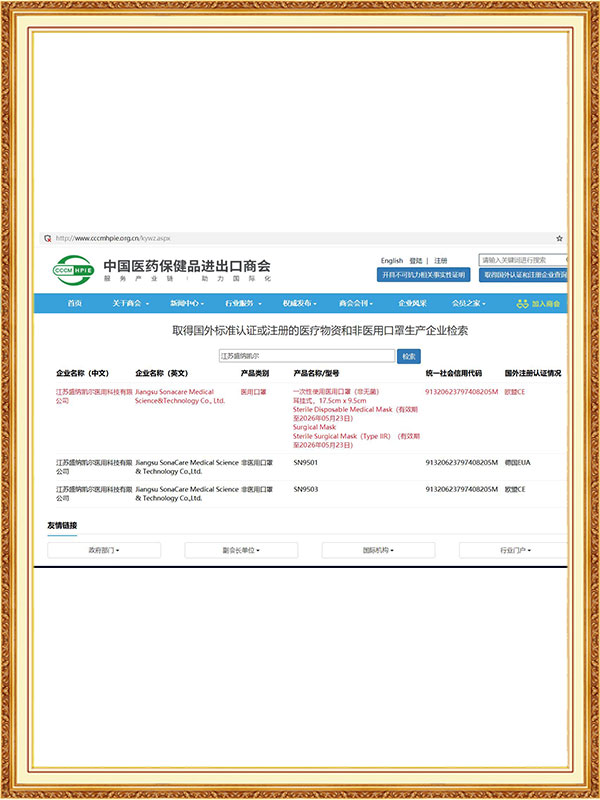
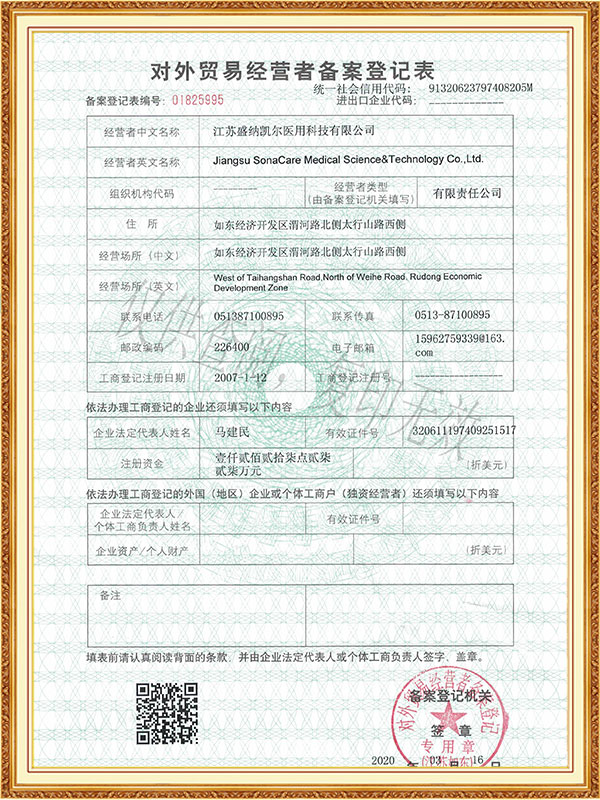
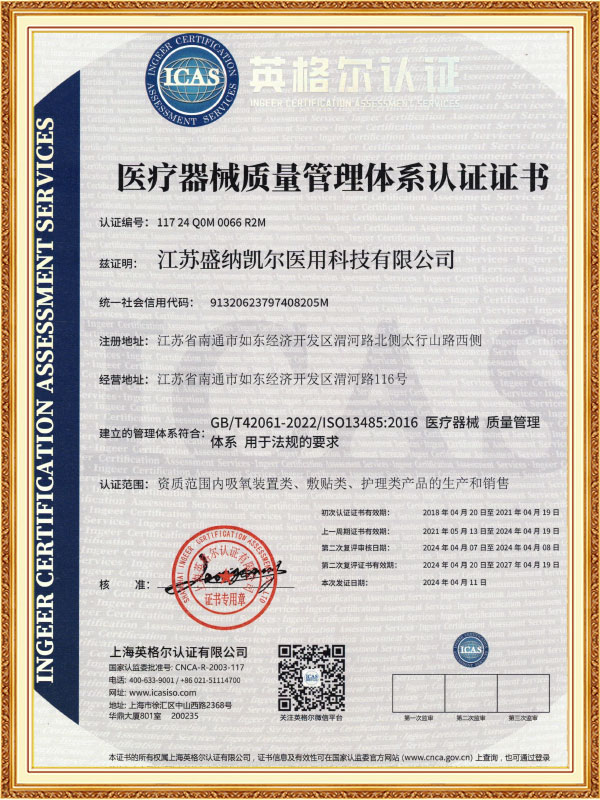
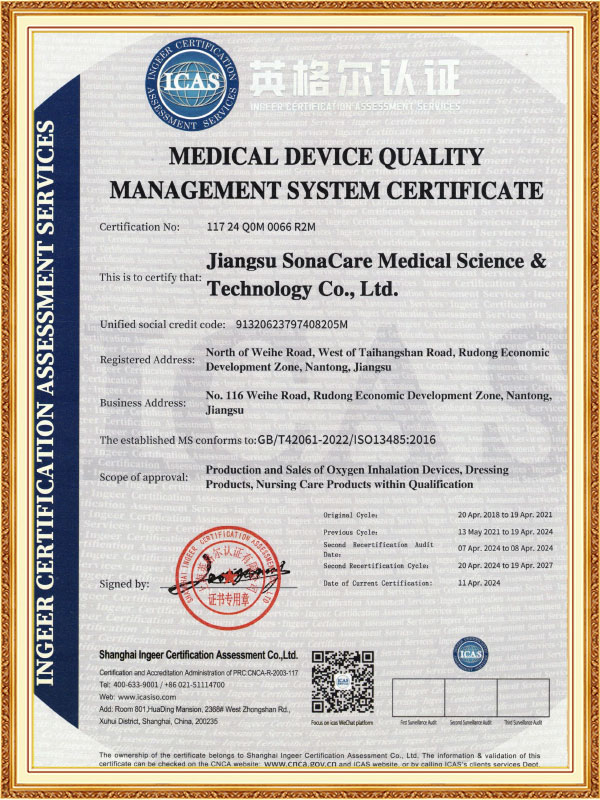
As a professional OEM Surgical Ligation Instruments Manufacturers and ODM Surgical Ligation Consumables Factory, The company has passed ISO 13485 and other quality system certifications, and some of its products have obtained CE certification and FDA filing permits, and has established long-term cooperative relationships with many domestic and foreign medical institutions and distributors.
VIEW MORE
With a building area of 20,310 square metres, the company has a class 100,000 purified production workshop, a class 10,000 microbiology testing room, a local class 100 physical and chemical laboratory, and a standardised storage system for raw materials and finished products.
Since the initial batch of products were launched in 2013, Eray has continuously enriched its product categories. Our products have covered protective masks, nursing consumables, sensory control consumables, surgical instruments, providing safe, efficient and environmentally friendly disposable medical solutions for medical institutions worldwide.
As a professional OEM Surgical Ligation Instruments Manufacturers and ODM Surgical Ligation Consumables Factory, The company has passed ISO 13485 and other quality system certifications, and some of its products have obtained CE certification and FDA filing permits, and has established long-term cooperative relationships with many domestic and foreign medical institutions and distributors.
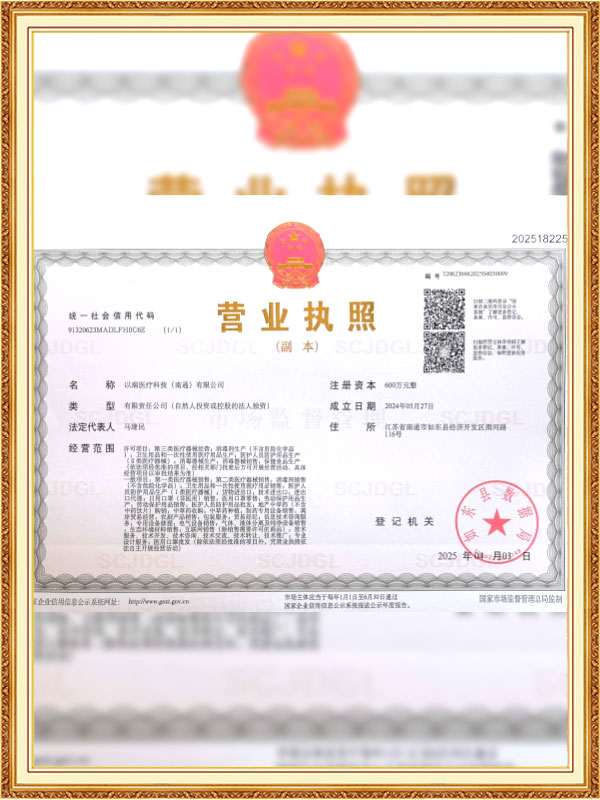
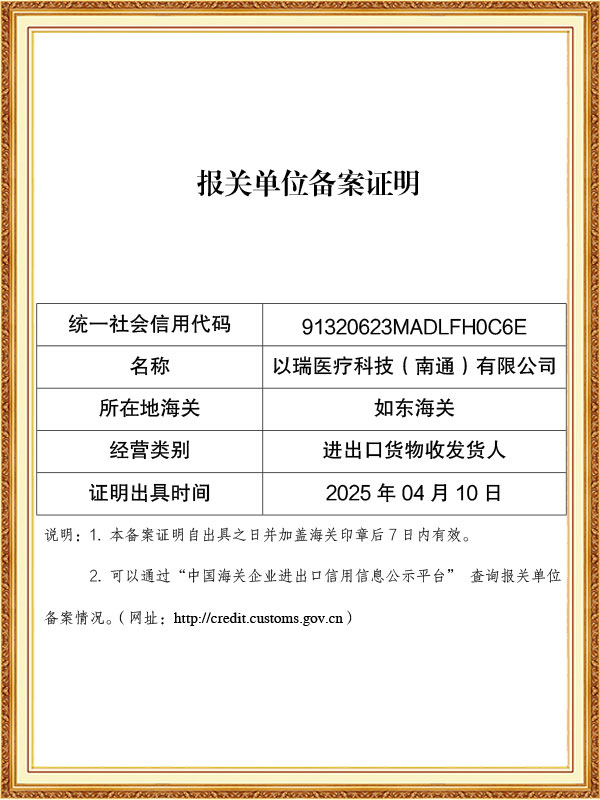
Certificate
Certificate of Honor
News
News & Update
-
Oct 14. 2026
CDC COVID Masking Guidelines: What the Current Framework Means for HospitalsIn the United States, the CDC's COVID masking guidelines are no longer one national instruction. They are a layered framework: risk-based recommendations for the general public, driven by local hospital data, plus a stricter set of infection-control rules for healthcare workers,...
Read More -
Oct 07. 2026
How to Wear a Face Mask Correctly: Fit, Orientation and Mask StandardsWatch ten people put on a procedure mask and you will usually spot the same three errors: the nose wire stays flat, the pleats point upward, and the bottom edge rests on the chin instead of under it. Fit-testing research keeps returning the same conclusion, that leakage around t...
Read More -
Sep 30. 2026
How Does Masking Work? The Science Behind Face Mask Particle FiltrationStanding in front of a stockroom shelf packed with disposable surgical masks, an infection control manager has one practical question: does this actually block the virus, or only the visible droplets? The evidence-based answer is yes — but with important qualifiers. Masking work...
Read More
Knowledge
Industry knowledge
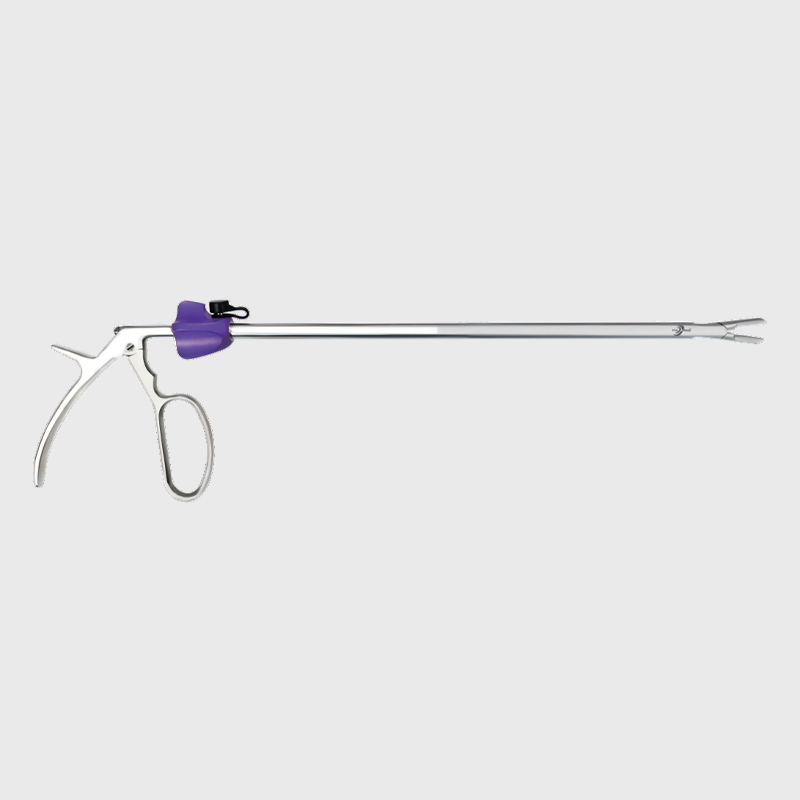
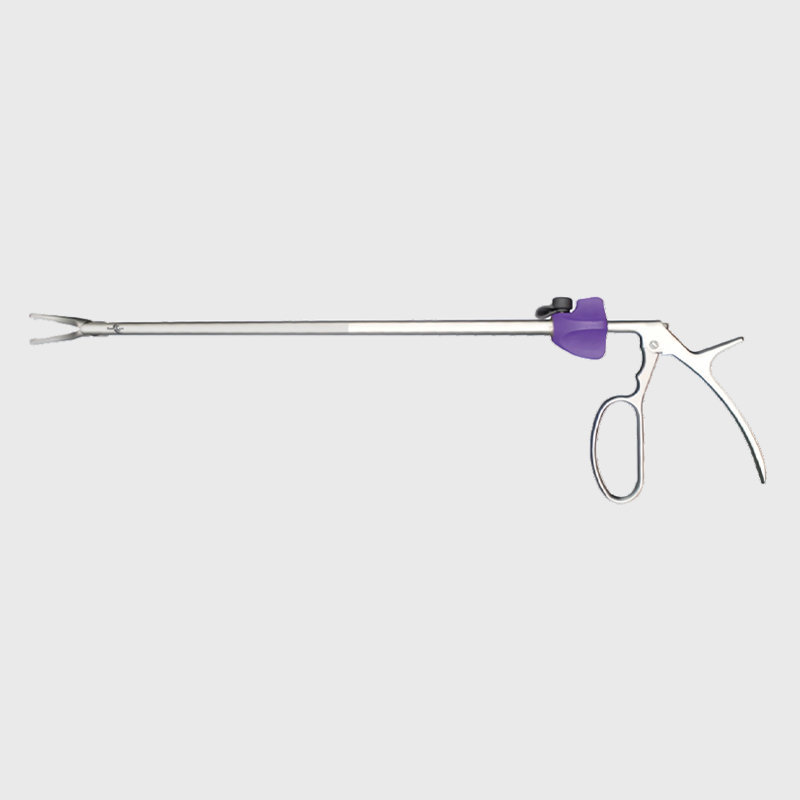
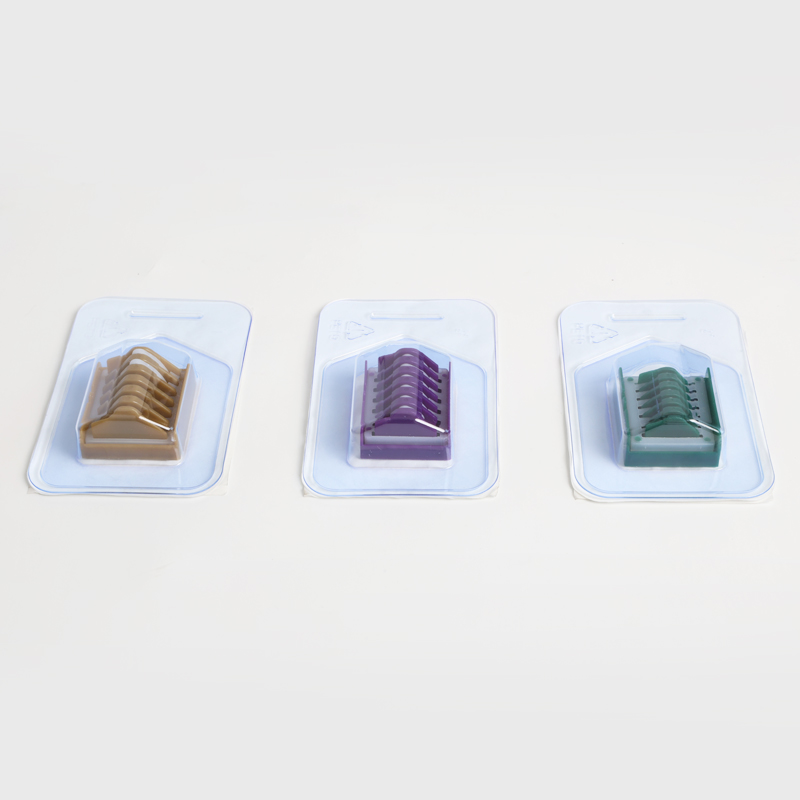
In minimally invasive surgery, ligation clip systems have become a key technology for closure of vessels and tubular tissues. This sophisticated system, comprised of a ligation clip, clip applier, and clip remover, offers surgeons a safe and efficient solution for vessel and tissue closure through its unique design and functionality.
The ligation clip, the core component of this system, is designed by integrating the best of materials science and biomechanics. These microclips are typically made of medical-grade titanium alloy or absorbable polymers, offering excellent biocompatibility and mechanical strength. The clip's V- or U-shaped design generates uniform closure pressure, ensuring secure closure of the vessel or tissue while avoiding excessive compression and tissue damage. A variety of clip sizes accommodate a wide range of closure requirements, from tiny vessels to larger tubular tissues, providing tremendous surgical flexibility.
The clip applier, the clip delivery and release device, utilizes a slender shaft design, enabling access to deep surgical sites through small incisions during minimally invasive surgery. Its sophisticated mechanical structure allows for one-handed operation, enabling clip loading, positioning, and release with a simple movement of the handle. Some clip appliers also feature rotation and multi-angle adjustment, allowing surgeons to optimize their operating angles within a restricted surgical field of view. Disposable clip appliers often come preloaded with multiple clips, enabling continuous clip application without the need for reloading, improving surgical efficiency.
Clip removers securely grasp and remove placed clips without causing additional damage to surrounding tissue. The remover's precision jaw design ensures a secure grip on the clip, and its control mechanism allows the surgeon to precisely adjust the force required for removal, providing crucial margins for error during surgery.
During surgery, the surgeon uses the clip applier to precisely position the clip on the target vessel or tissue. Once the release mechanism is triggered, the clip securely closes the target area. This process takes only seconds, significantly improving surgical efficiency compared to traditional manual ligation. The clip's closing force is carefully calculated to ensure reliable closure without causing tissue damage. For areas requiring permanent closure, metal clips can remain in place for extended periods. For temporary closure, clips made of absorbable materials degrade after completing their mission.
Maintenance of ligation clips, clip appliers, and clip retrievers is crucial to ensuring the safety of laparoscopic surgery, requiring a rigorous maintenance procedure. Immediately after use, completely disassemble the instruments. Thoroughly clean the jaws, drive mechanism, and joints of the clip applier with a soft brush and a multi-enzyme detergent, paying particular attention to removing tissue residue from the clip groove and push rod. Ligation clips and clip retrievers should be cleaned separately, focusing on the contact surfaces with tissue to ensure they are free of blood and protein residue. After cleaning, thoroughly dry all lumens and crevices with a high-pressure air gun to prevent moisture retention and corrosion. Check the clamping force of the clip applier and the engagement accuracy of the clip retriever weekly, and test the push mechanism for smooth operation to ensure accurate clip release and retrieval with every operation.
Before sterilization, ensure that the instruments are completely dry. High-temperature-resistant components should be sterilized with autoclave steam at 134°C, while low-temperature plasma sterilization is recommended for precision drive mechanisms. During storage, separate instruments should be placed in dedicated instrument boxes to prevent damage from collisions. A functional test should be performed before each use to verify that the ligation clip is properly loaded and that the application and removal movements are smooth. Establish a complete usage record, record each maintenance and sterilization, and promptly replace instruments that are deformed, worn, or malfunctioning. Standardized maintenance and management not only prolongs the life of the instruments but also ensures the reliability of each ligation procedure, providing a strong guarantee for surgical safety.
If you are interested in our products, please consult us
CONTACT DETAILS
- Address : 116 Weihe Road, Rudong County Economic Development Zone, Nantong City, Jiangsu Province,China
- TEL: : +86-18362400158
- Email: : jayne@eraymedtech.com
PRODUCTS
NEWS CENTER
MOBILE TERMINAL
Copyright © 2025 Eray Medical Technology (Nantong) Co., Ltd.
All Rights Reserved.
 Surgical Ligation Instruments Manufacturers
Surgical Ligation Consumables Factory
Surgical Ligation Instruments Manufacturers
Surgical Ligation Consumables Factory
 CONTACT US
