


 English
 Español
 Français

Steam Sterilizers Suppliers
Eray Medical Technology (Nantong) Co., Ltd.
Eray Medical Technology (Nantong) Co., Ltd, focusing on the field of medical devices, is an integrated enterprise of industry and trade integrating R&D, production and sales. The company's manufacturing base is located in Rudong Economic Development Zone in Jiangsu Province, which has a favourable geographical location, convenient traffic and a good supporting environment for industrial clusters.
With a building area of 20,310 square metres, the company has a class 100,000 purified production workshop, a class 10,000 microbiology testing room, a local class 100 physical and chemical laboratory, and a standardised storage system for raw materials and finished products.
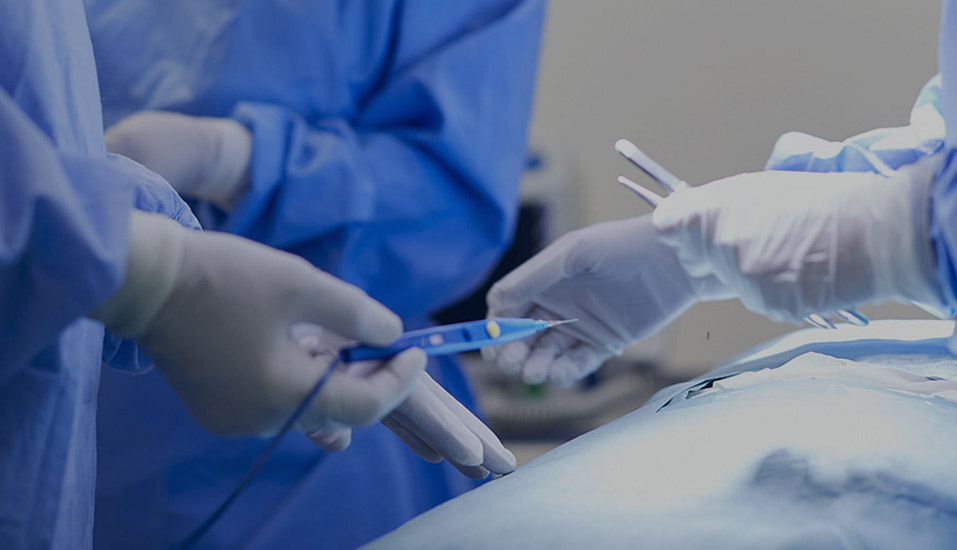
Since the initial batch of products were launched in 2013, Eray has continuously enriched its product categories. Our products have covered protective masks, nursing consumables, sensory control consumables, surgical instruments, providing safe, efficient and environmentally friendly disposable medical solutions for medical institutions worldwide.
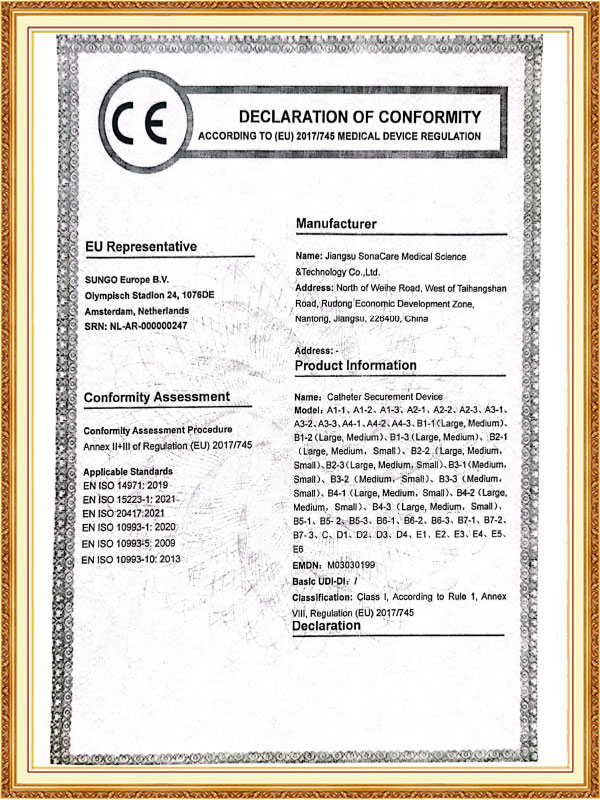
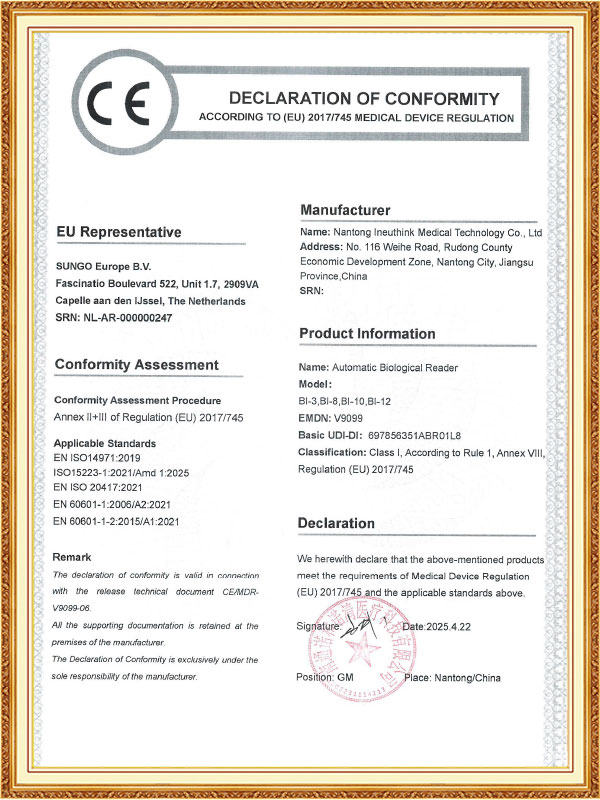
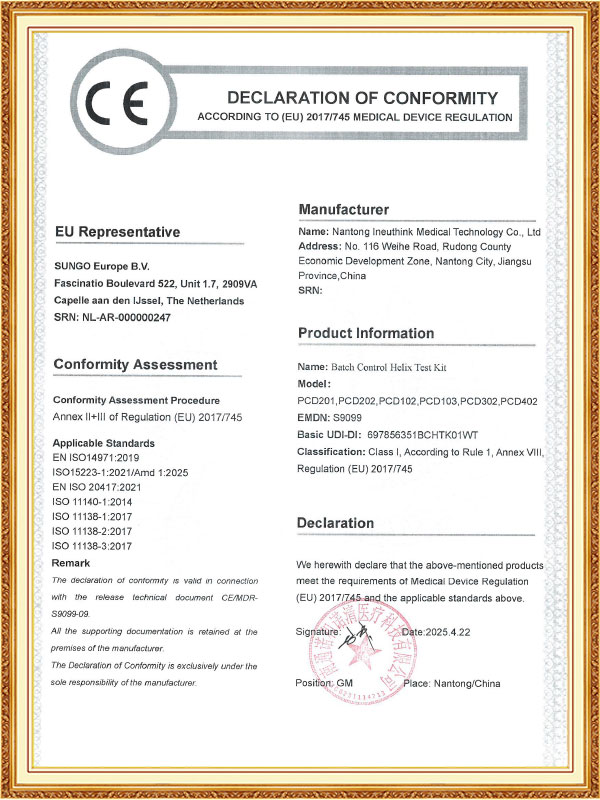
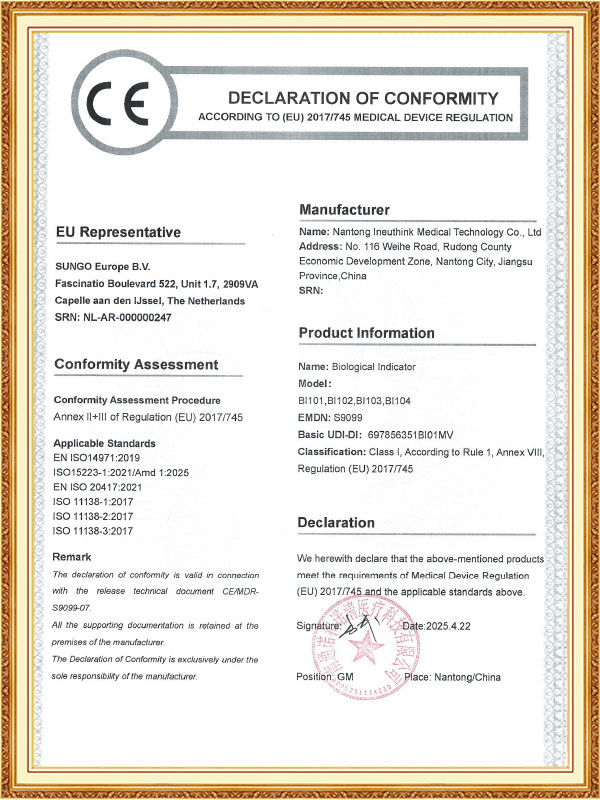
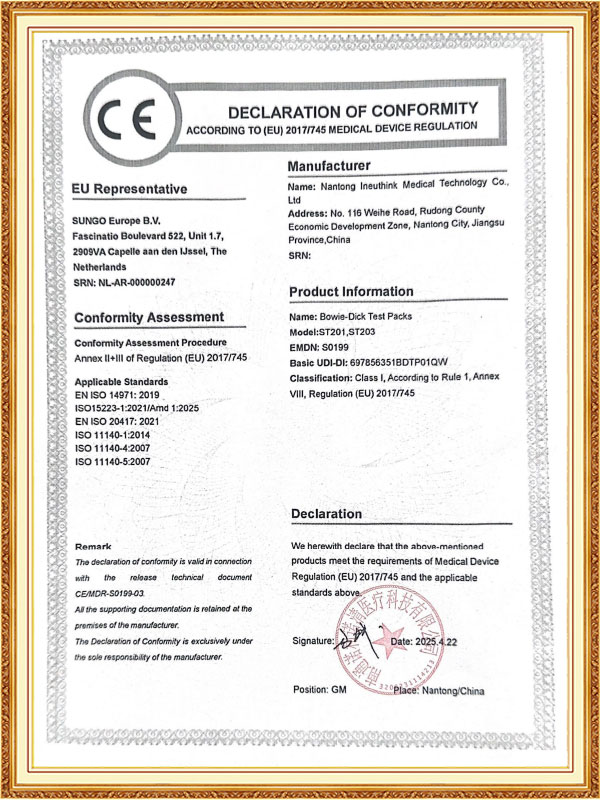
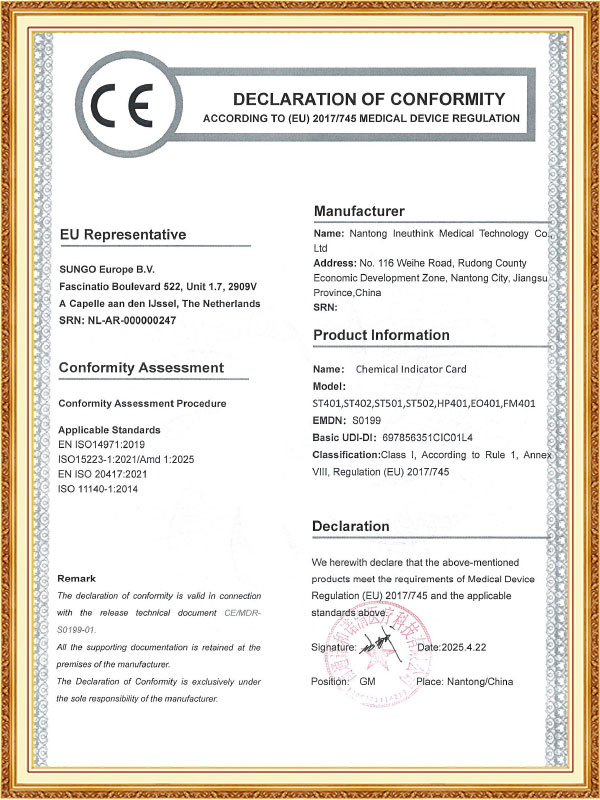
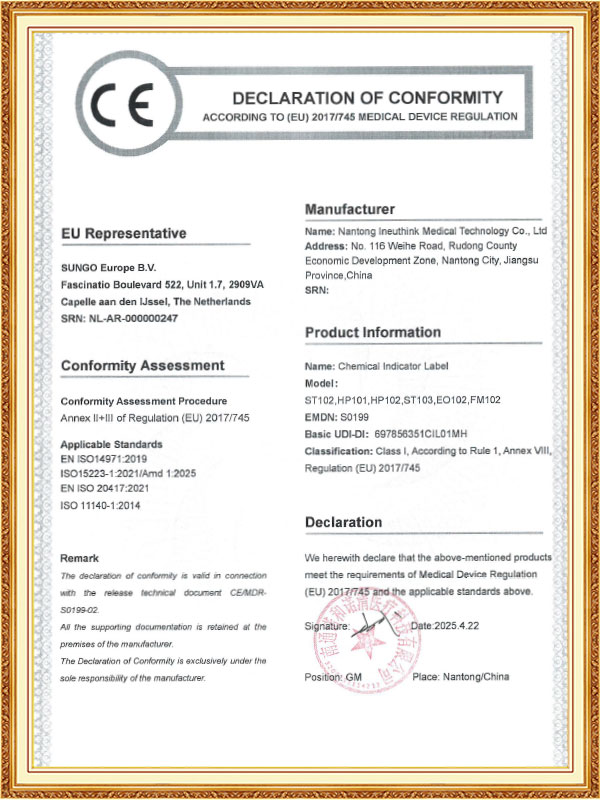
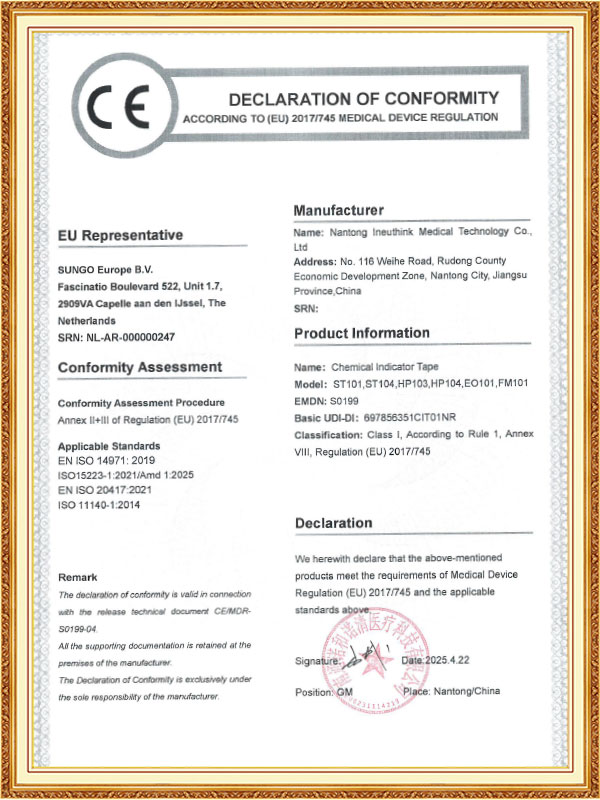
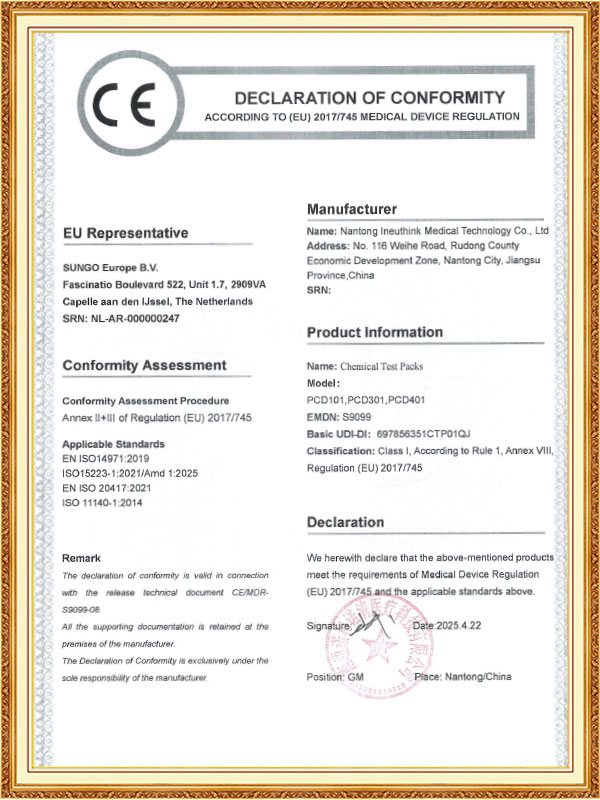
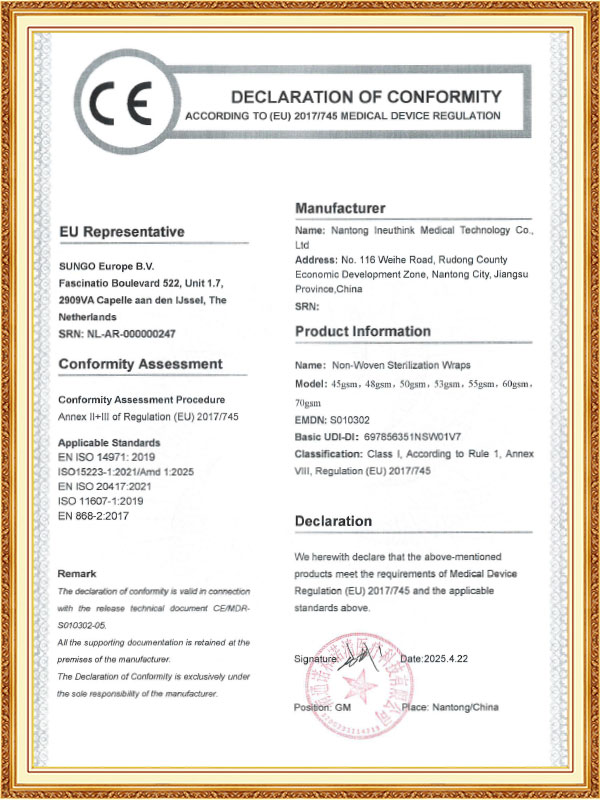
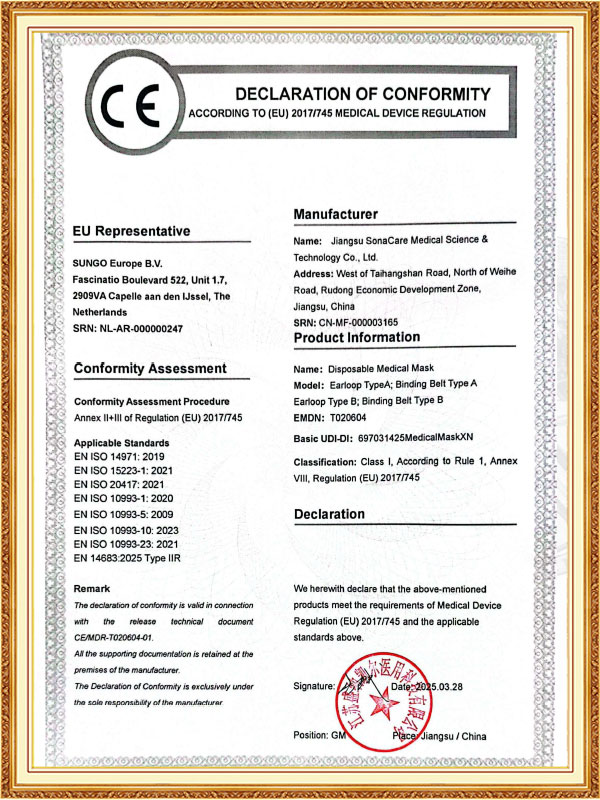
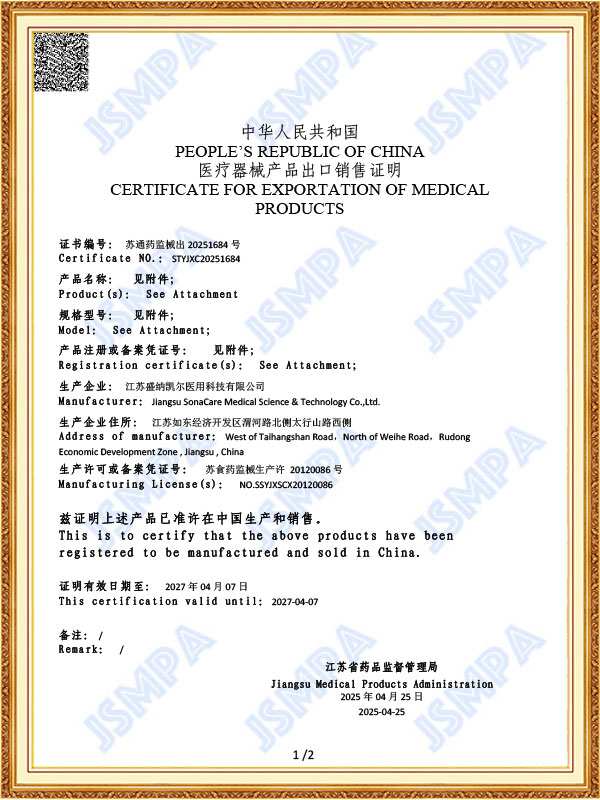
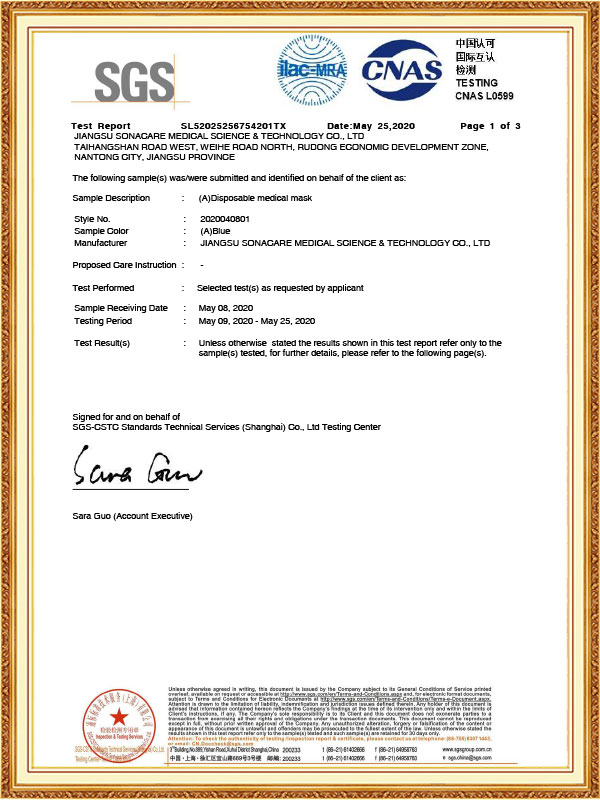
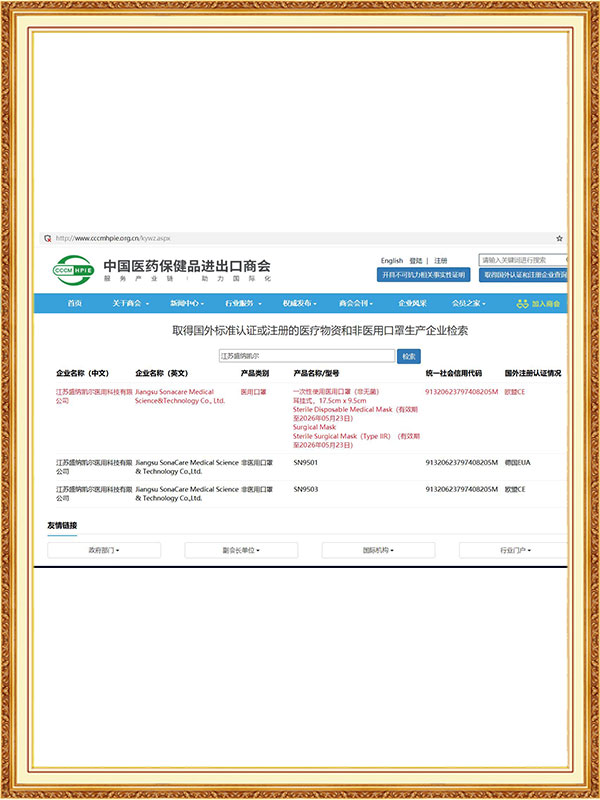
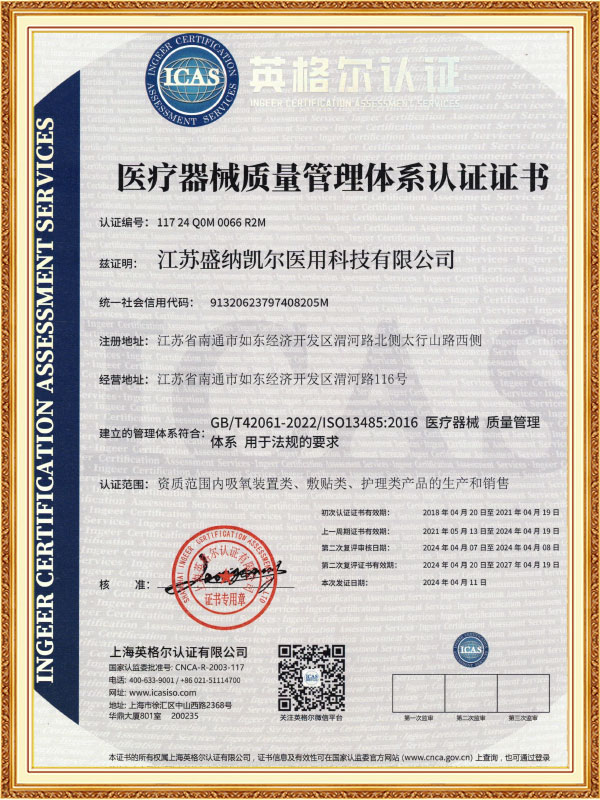
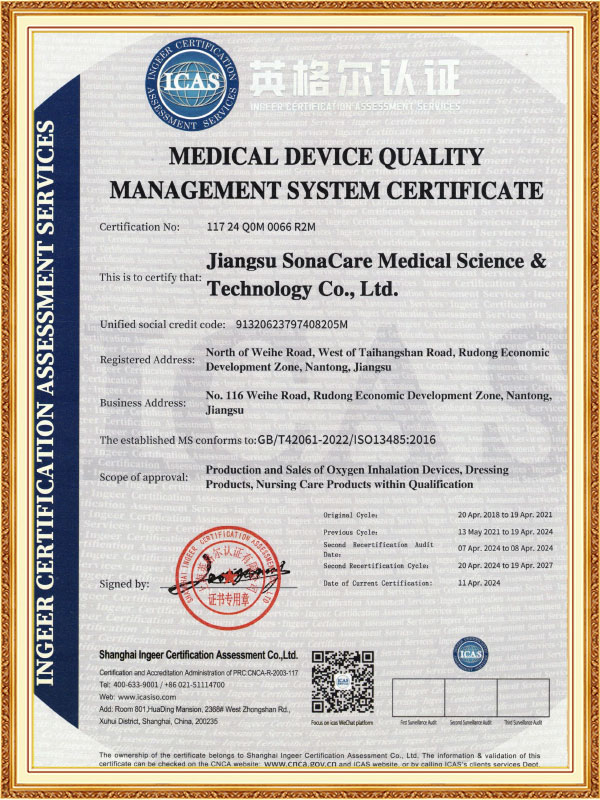
As a professional OEM Steam Sterilizers Suppliers and ODM Steam Sterilizers Factory, The company has passed ISO 13485 and other quality system certifications, and some of its products have obtained CE certification and FDA filing permits, and has established long-term cooperative relationships with many domestic and foreign medical institutions and distributors.
VIEW MORE
With a building area of 20,310 square metres, the company has a class 100,000 purified production workshop, a class 10,000 microbiology testing room, a local class 100 physical and chemical laboratory, and a standardised storage system for raw materials and finished products.
Since the initial batch of products were launched in 2013, Eray has continuously enriched its product categories. Our products have covered protective masks, nursing consumables, sensory control consumables, surgical instruments, providing safe, efficient and environmentally friendly disposable medical solutions for medical institutions worldwide.
As a professional OEM Steam Sterilizers Suppliers and ODM Steam Sterilizers Factory, The company has passed ISO 13485 and other quality system certifications, and some of its products have obtained CE certification and FDA filing permits, and has established long-term cooperative relationships with many domestic and foreign medical institutions and distributors.
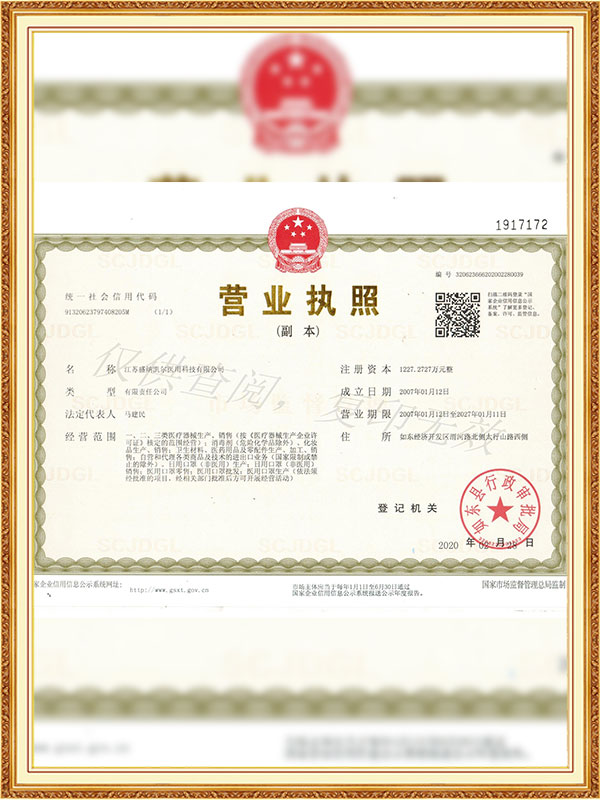
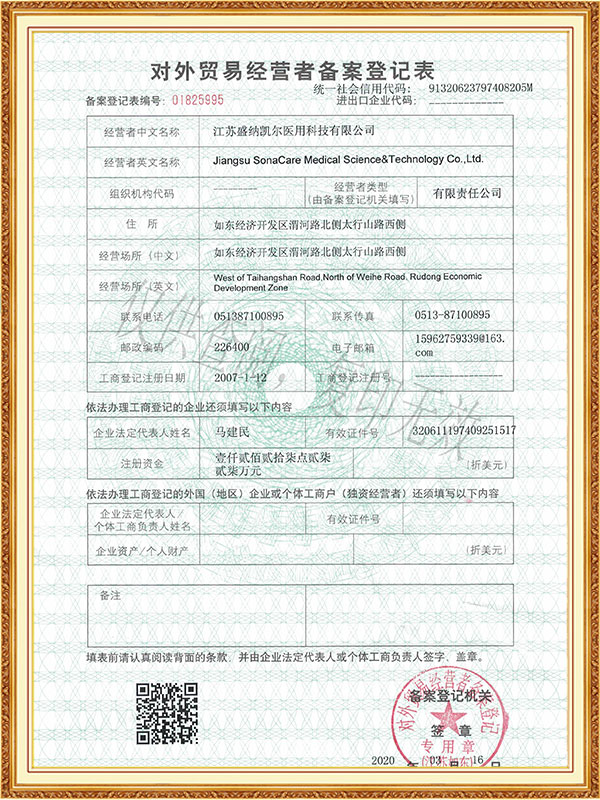
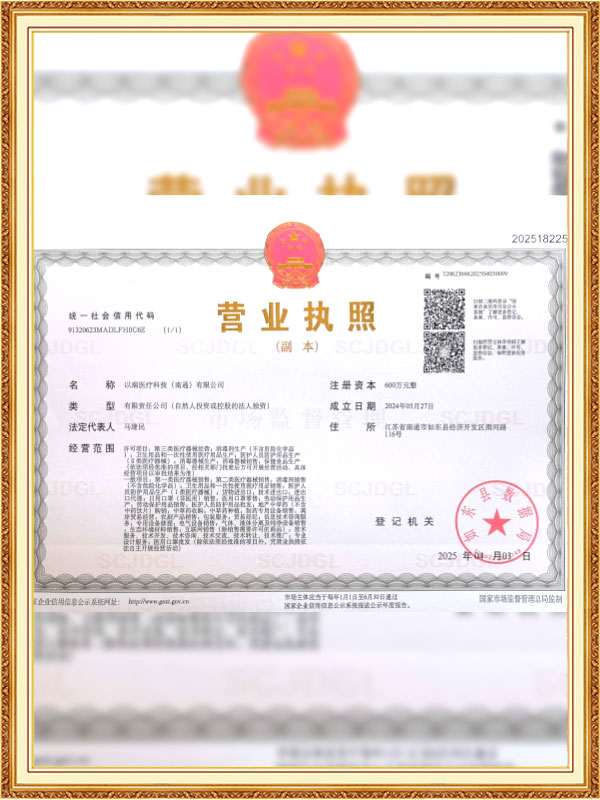
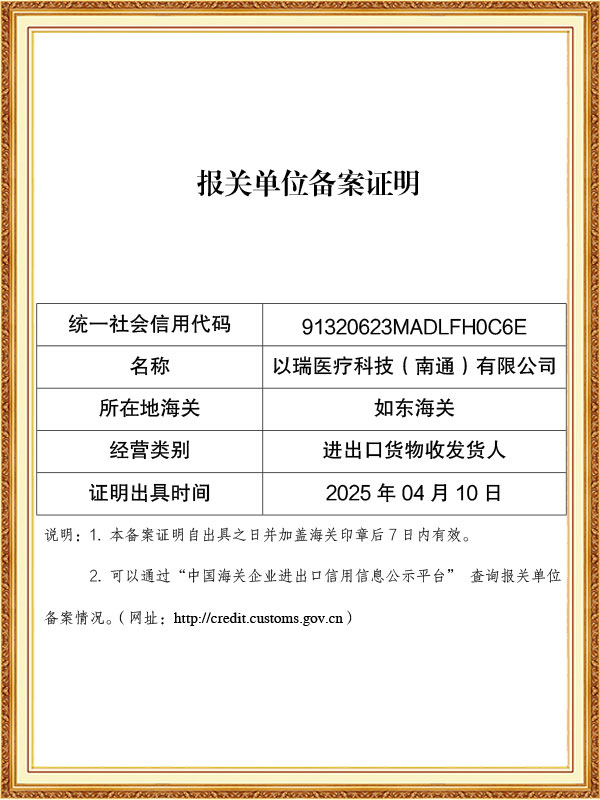
Certificate
Certificate of Honor
News
News & Update
-
Oct 14. 2026
CDC COVID Masking Guidelines: What the Current Framework Means for HospitalsIn the United States, the CDC's COVID masking guidelines are no longer one national instruction. They are a layered framework: risk-based recommendations for the general public, driven by local hospital data, plus a stricter set of infection-control rules for healthcare workers,...
Read More -
Oct 07. 2026
How to Wear a Face Mask Correctly: Fit, Orientation and Mask StandardsWatch ten people put on a procedure mask and you will usually spot the same three errors: the nose wire stays flat, the pleats point upward, and the bottom edge rests on the chin instead of under it. Fit-testing research keeps returning the same conclusion, that leakage around t...
Read More -
Sep 30. 2026
How Does Masking Work? The Science Behind Face Mask Particle FiltrationStanding in front of a stockroom shelf packed with disposable surgical masks, an infection control manager has one practical question: does this actually block the virus, or only the visible droplets? The evidence-based answer is yes — but with important qualifiers. Masking work...
Read More
Knowledge
Industry knowledge
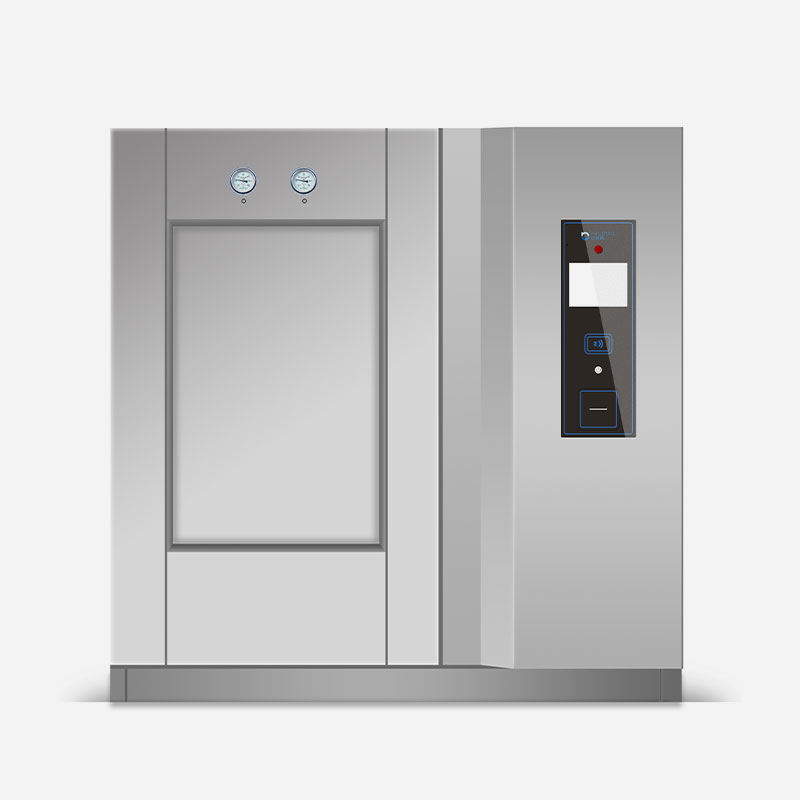
Steam sterilizers are specialized equipment that utilize high-temperature, high-pressure saturated steam for sterilization. They play a vital role in the medical, laboratory, pharmaceutical, and food industries. Through efficient moist heat sterilization, they ensure the sterility of items such as medical devices, laboratory supplies, pharmaceutical packaging, and food containers, ensuring safe use.
The core operating principle of a steam sterilizer is to generate high-temperature, high-pressure saturated steam by heating water. The steam sterilizer typically operates at temperatures between 121°C and 134°C and pressures between 100 and 200 kPa. Under these conditions, the protein structure of microorganisms undergoes irreversible denaturation, destroying their enzyme systems and achieving thorough sterilization. Furthermore, the high-pressure steam can penetrate deep into the structure of the item, ensuring comprehensive sterilization, effectively killing even heat-resistant bacterial spores.
Steam sterilizers can be categorized into several main types depending on the application requirements. Gravity-displacement sterilizers rely on the natural downward flow of cool air and are suitable for sterilizing items such as general instruments and culture media. Pre-vacuum sterilizers use a pre-vacuum process followed by steam injection to improve sterilization efficiency, making them particularly suitable for processing complex, porous items such as surgical kits. Pulsating vacuum sterilizers, on the other hand, use multiple cycles of vacuuming and steam injection to ensure thorough air removal, making them suitable for applications requiring the highest sterilization standards, such as implants.
Steam sterilizer operation requires strict adherence to specifications. Items must be properly loaded to ensure uniform steam penetration, and packaging materials must be breathable, such as specialized sterilization wrapping paper or non-woven fabric. Liquids must be slowly vented after sterilization to prevent violent boiling. To ensure sterilization effectiveness, quality control measures typically combine physical monitoring (recording temperature, pressure, and time), chemical monitoring (color change of the sterilization indicator), and biological monitoring (verification using Bacillus stearothermophilus spores). The advantages of steam sterilizers lie in their efficiency, reliability, and cost-effectiveness, making them suitable for sterilizing large quantities of items. However, they also have limitations, such as being unsuitable for materials that are sensitive to heat or moisture, such as certain plastics or precision electronic devices. Therefore, when choosing a sterilization method, it is necessary to make a reasonable match based on the characteristics of the items and industry standards.
Steam sterilizer maintenance is crucial for ensuring the quality of medical sterilization, requiring a comprehensive maintenance system. During daily use, drain the sterilization chamber of condensate after each run, wipe the chamber walls and door seals with a soft cloth to remove residual water stains and dirt. Weekly, focus on cleaning the drain filter and steam generator, using a dedicated descaling agent to dissolve scale and prevent pipe blockages that could affect steam quality. Monthly calibration of key components such as pressure gauges and temperature sensors is required to ensure measurement accuracy meets sterilization parameters. The operating status of the safety valve and vacuum pump should also be checked, and the door seals tested for airtightness. Quarterly, sterilization effectiveness should be verified using biological indicators, using standard strains such as Bacillus stearothermophilus to test the reliability of the sterilization procedure.
During equipment maintenance, special attention should be paid to water quality management. Purified or distilled water must be used, and water conductivity should be regularly tested to prevent scale buildup that could damage the heating elements. Instrument racks and loading carts within the sterilization chamber should be disassembled and cleaned monthly, inspected for deformation or rust. Before daily operation, check steam saturation to ensure it is free of excessive impurities. After sterilization, drain any remaining water from the boiler promptly. Maintain a complete maintenance log, detailing each maintenance session, troubleshooting, and component replacement. Operators must receive professional training and be proficient in equipment operation procedures and common troubleshooting methods. During extended periods of downtime, drain all pipes thoroughly, perform rust prevention measures, and conduct a comprehensive inspection before reactivation.
If you are interested in our products, please consult us
CONTACT DETAILS
- Address : 116 Weihe Road, Rudong County Economic Development Zone, Nantong City, Jiangsu Province,China
- TEL: : +86-18362400158
- Email: : jayne@eraymedtech.com
PRODUCTS
NEWS CENTER
MOBILE TERMINAL
Copyright © 2025 Eray Medical Technology (Nantong) Co., Ltd.
All Rights Reserved.
 Steam Sterilizers Suppliers
Steam Sterilizers Factory
Steam Sterilizers Suppliers
Steam Sterilizers Factory
 CONTACT US
