


 English
 Español
 Français
Home / News / Industry News / Hospital Medical Supplies: A Practical Sourcing Guide for Clinical Teams
News


Hospital Medical Supplies: A Practical Sourcing Guide for Clinical Teams
 2026.11.11
 Industry News
When a sterile processing department runs out of chemical indicator tape on a Tuesday morning, nothing dramatic happens. The steam sterilizers keep cycling. What stops is load release: instruments sit inside the chamber, the operating room schedule slips, and an item worth a few dollars has idled equipment worth far more than that.
That is the most practical way to think about hospital medical supplies. They behave as a system — equipment, consumables and documentation locked together — rather than as a catalog of independent line items. The conclusion first: buy the families that touch each other from sources whose specifications you can cross-check, and treat reorder risk rather than unit price as the primary cost driver.
What follows is how that plays out category by category, and which details usually decide a purchase.
Content
- 1 What "Hospital Medical Supplies" Actually Covers
- 2 Why the Equipment and the Consumable Must Be Specified Together
- 3 What the Paperwork Should Prove
- 4 Inside the Sterile Processing Loop
- 5 Nursing Consumables and Everyday Infection Control
- 6 Surgical Instruments: The Highest-Risk Category
- 7 How to Qualify a Supplier Before the First Order
- 8 Frequently Asked Questions
What "Hospital Medical Supplies" Actually Covers
Procurement teams often use one phrase for five different buying patterns. Splitting them changes who owns the decision and how often the item comes back for reorder.
- Sterile processing consumables: indicator tape, chemical and biological indicators, Bowie-Dick and test packs, non-woven wrap, pouches and reels.
- Sterile processing equipment and furniture: washer-disinfectors, steam sterilizers, drying cabinets, heat sealers, stainless worktables, pass-through windows and closed transfer trolleys.
- Surgical instruments: optical trocars, laparoscopic staplers with reloads, ligating clips with appliers and removers.
- Nursing consumables: wound dressings, catheter securement dressings, nasal oxygen tubes and nebulizers.
- Protective masks: disposable medical masks and biodegradable alternatives.
| Supply family | Usual buying owner | What triggers an emergency order |
|---|---|---|
| Sterile processing consumables | Central sterile department | Tape, wrap or test packs exhausted mid-week; a failed lot quarantined after recall |
| Sterile processing equipment | Equipment office / capital planning | New build, capacity expansion, or a chamber beyond economical repair |
| Surgical instruments | Operating room management | Case mix shift toward laparoscopy; single-use conversion of a reusable set |
| Nursing consumables | Ward nursing leads | Seasonal admission peaks; wound care protocol change |
| Protective masks | Infection control | Respiratory season, outbreak response, fit-testing rounds |
Why the Equipment and the Consumable Must Be Specified Together
Most supply incidents we hear about from hospital teams are interface failures, not product failures. Three recur constantly.
- Basket versus chamber. A tray that is 5 mm too wide for the washer-disinfector loading rack is a full re-procurement, not a modification.
- Wrap versus cycle. Packaging validated for gravity displacement behaves differently under a 134 °C pre-vacuum cycle; the barrier may hold while the drying and handling properties change.
- Indicator versus cycle type. A chemical indicator validated for one exposure plateau cannot simply be moved to another and read the same way.
The working rule is to fix the cycle first, then the packaging and indicator, then the equipment capacity. Reversing the order is how departments end up with consumables nobody can validate.
Schematic: temperature profile of a 134 °C pre-vacuum cycle
Schematic only. Indicators and biological indicators are validated against the exposure plateau, not the peak reading.
That distinction matters commercially. A supplier who can tell you which plateau and hold time a label is cleared for is easier to audit than one who answers only with a temperature rating.
What the Paperwork Should Prove
Regulatory documents are where low-cost offers separate themselves from hospital-grade suppliers. Three items decide whether a manufacturer can serve a hospital rather than a warehouse.
- Quality management certification — ISO 13485 for medical devices, with a stated scope that actually covers the product you are buying.
- Market access — CE marking for Europe, FDA registration for the United States, and test reports traceable to the batch.
- Manufacturing environment — the cleanroom class used for production and the laboratory class used for testing, because these determine whether particle and microbiological data are credible.
Airborne particle limits at ≥0.5 µm (particles per m³)
Ask which class covers the actual production line, not which class appears in the brochure.
Inside the Sterile Processing Loop
The sterile processing department is usually the most supply-intensive part of a hospital, because it consumes durable equipment and high-turnover disposables in the same room. The order of operations rarely varies: receive, wash, disinfect, dry, inspect, pack, sterilize, store, transport. Each step has its own consumable, and a shortage anywhere closes the loop.
Isometric view: the sterile processing flow and where supplies enter it
Each stage adds a consumable dependency: chemistry, packaging, monitoring, transport.
Mechanical cleaning is the first dependency. Chamber size, rack configuration and cycle programming determine how many trays a shift can process, which is why what a CSSD device actually refers to matters when a hospital writes its equipment list — the washer, the racks and the detergent programme are one purchasing decision.
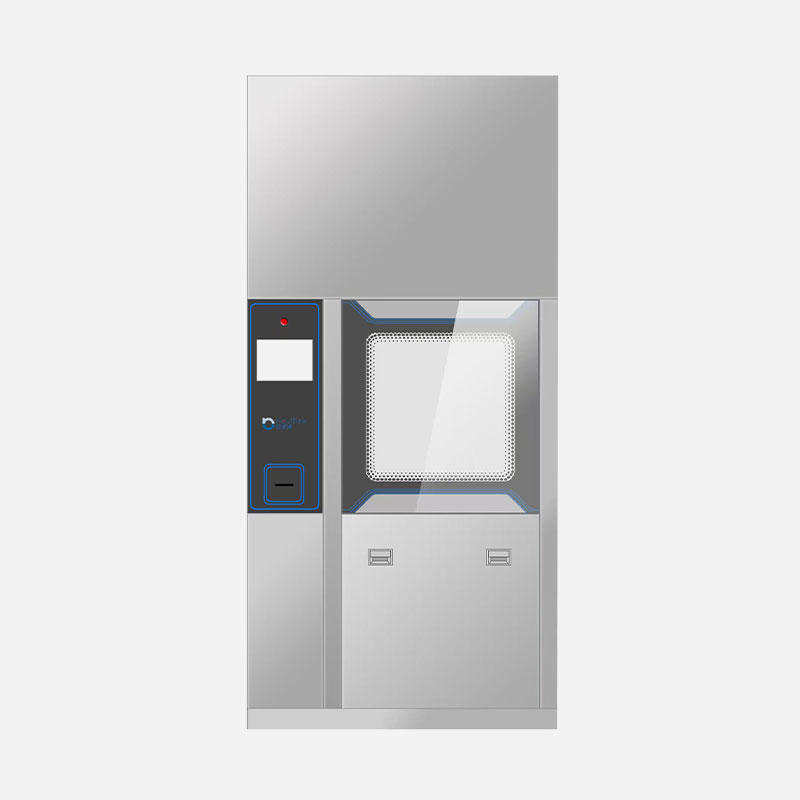 ND-300 and ND-600 Instrument Washer DisinfectorsCompare ND-300 and ND-600 for chamber volume, DIN load capacity, drying method and door options when specifying mechanical cleaning equipment.View Product →
Steam sterilization follows. What buyers should confirm is not only chamber volume, but the documentation package: pressure vessel certification, cycle validation records, and whether the same supplier provides the consumables that will be validated in that chamber.
 NS Series Steam Sterilizers for Aseptic Medical EquipmentReview NS Series chamber volumes, STU load options, pulsating vacuum design and dual-side touch display for steam sterilization planning.View Product →
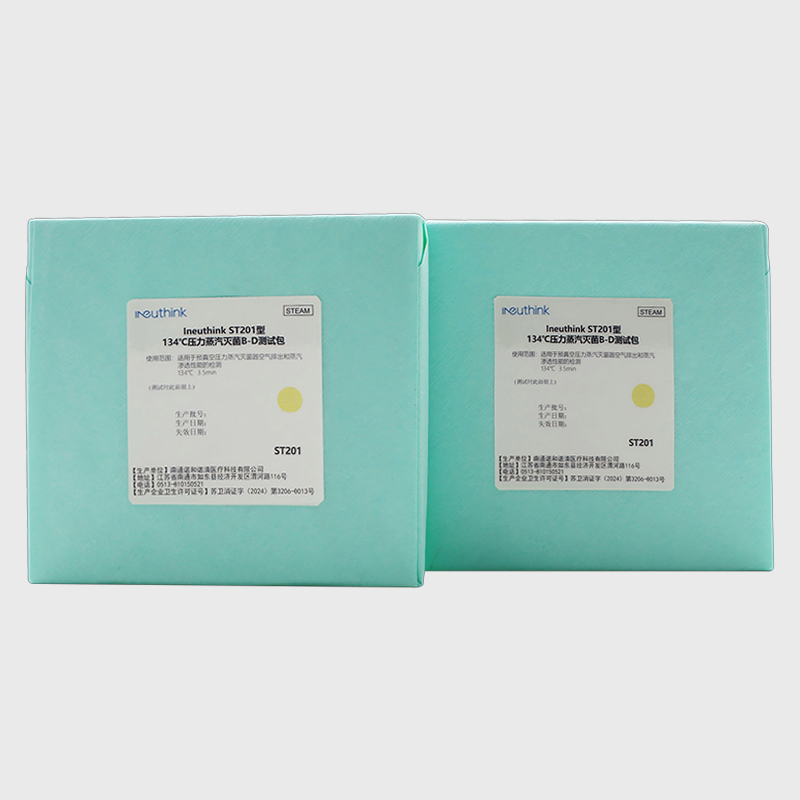
The monitoring layer is where small errors become expensive. Chemical indicator cards, indicator labels, tape, Bowie-Dick test packs and biological indicators each answer a different question: was the load exposed to the right conditions, did air removal work, and were the spores actually killed. Ordering them from a single source keeps batch numbers, expiry dates and reading devices consistent.
Nursing Consumables and Everyday Infection Control
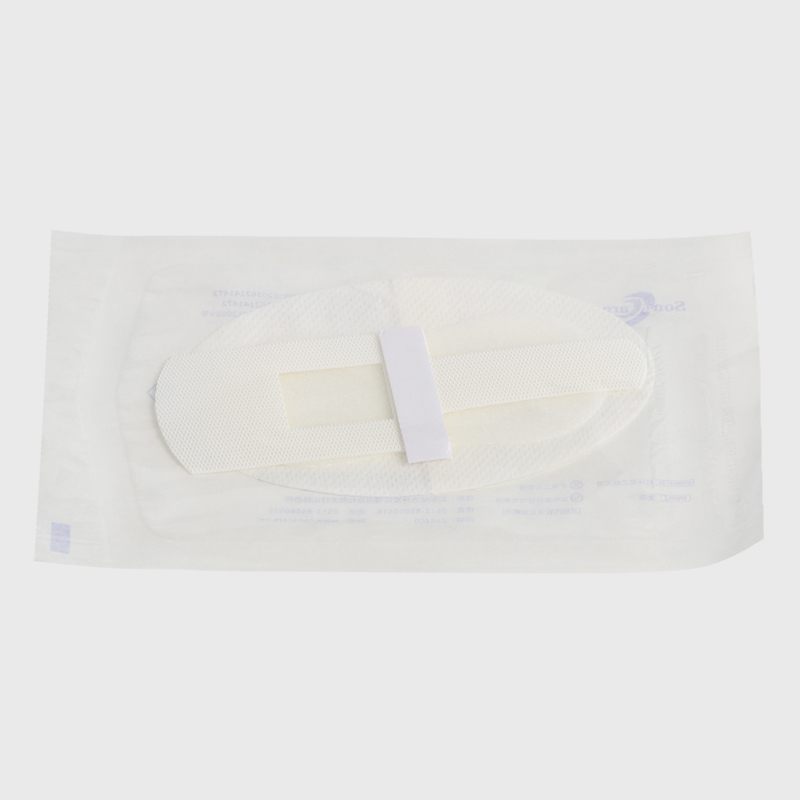
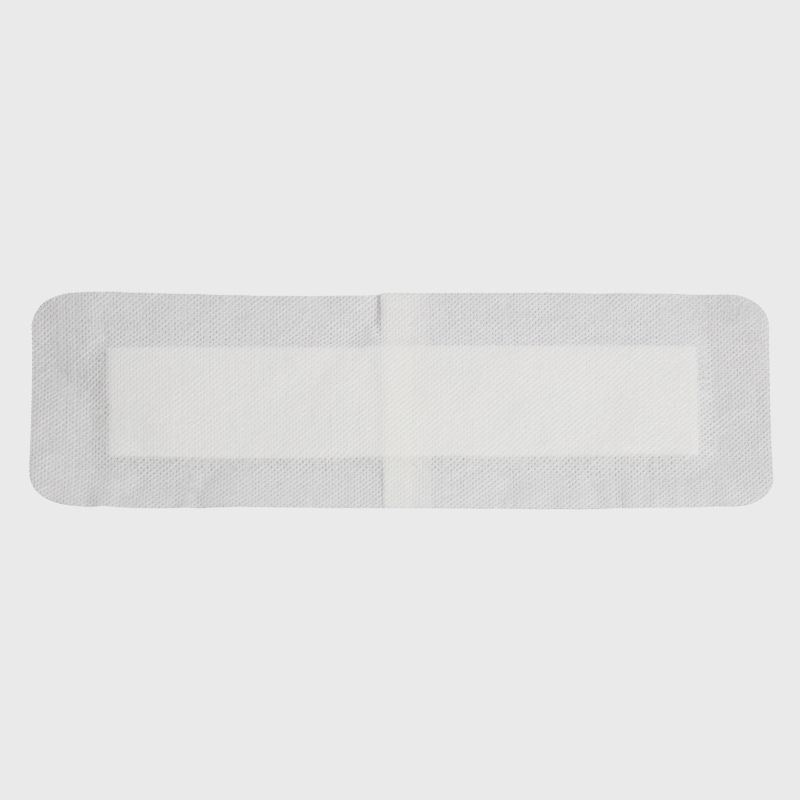
Ward-level supplies are low value per unit and high consequence per ward. A wound dressing that lifts at the edge, or a catheter securement dressing that does not hold when a patient turns, becomes a nursing time problem before it becomes a cost problem. Practical selection criteria are straightforward: skin-friendliness, adhesion under moisture, breathability, and whether the dressing can be removed without repeated trauma to fragile skin.
 Wound Dressing in Multiple Sizes and ShapesCheck A1, A2, B1 and B2 dressing options for absorbency, breathability, size range and flexible application in superficial wound care.View Product →
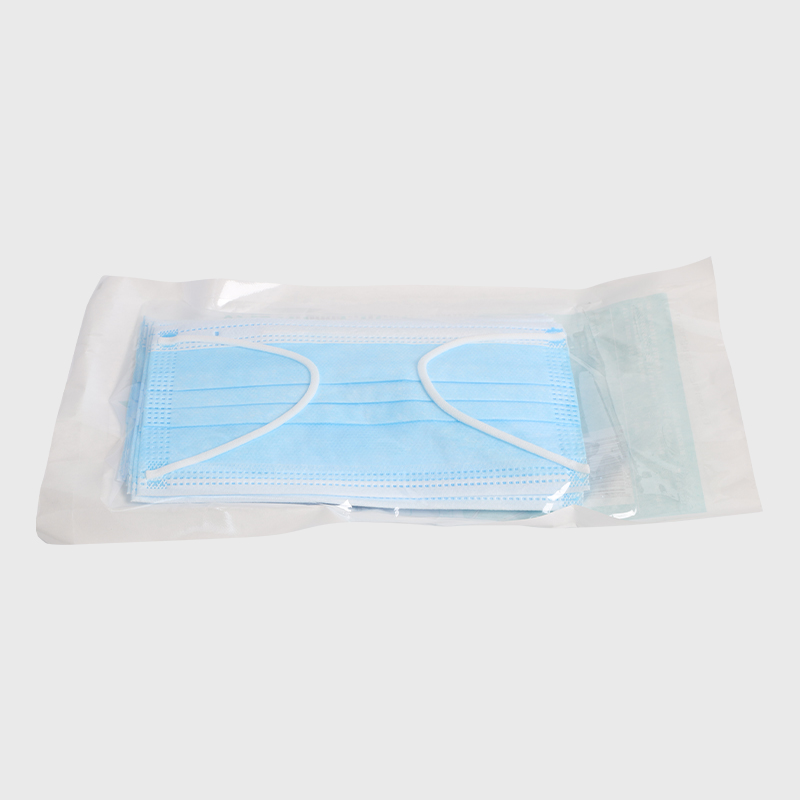
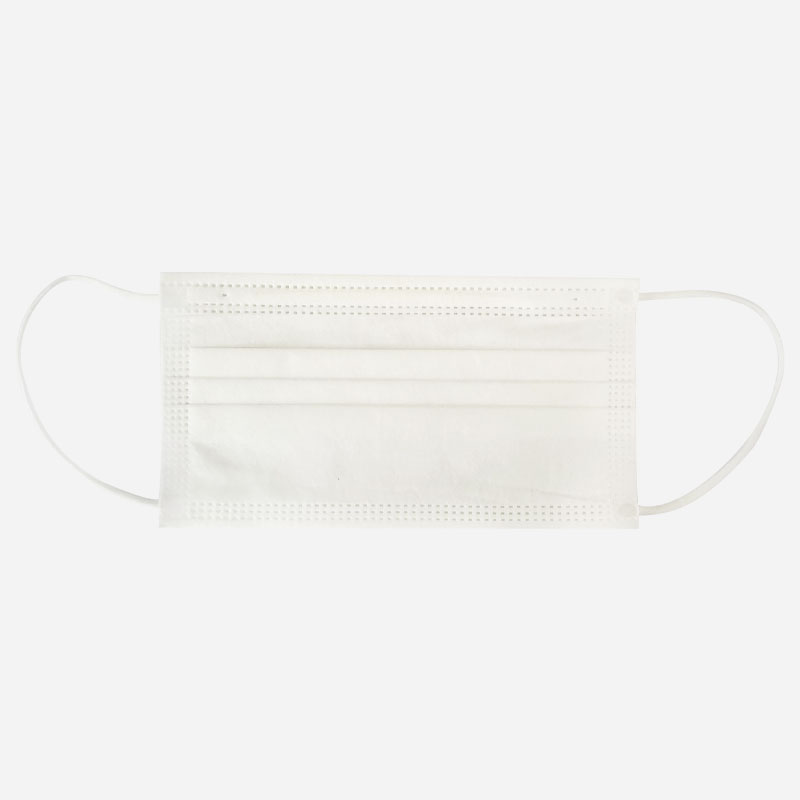
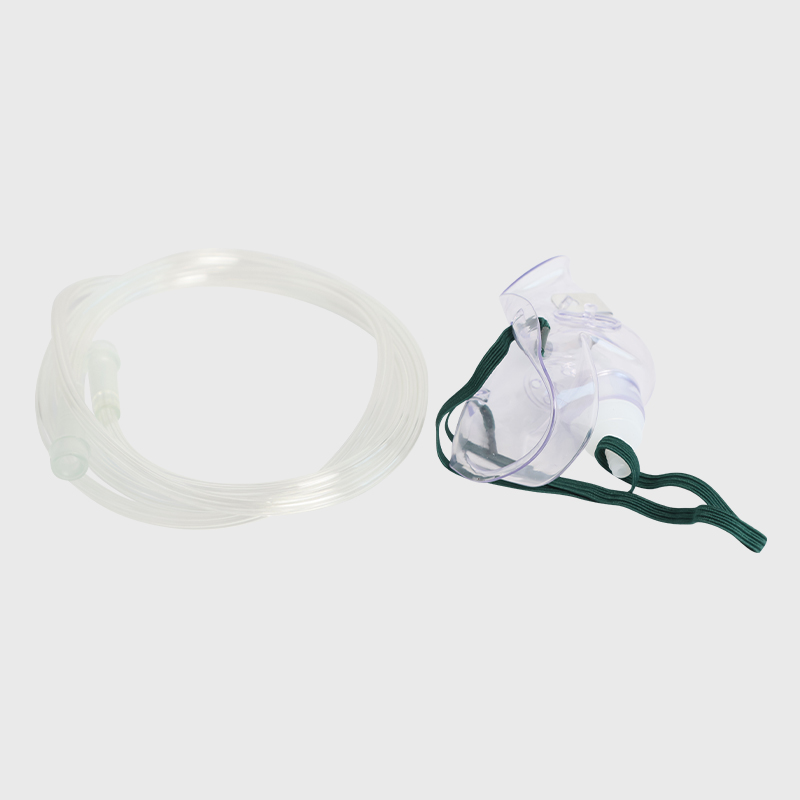
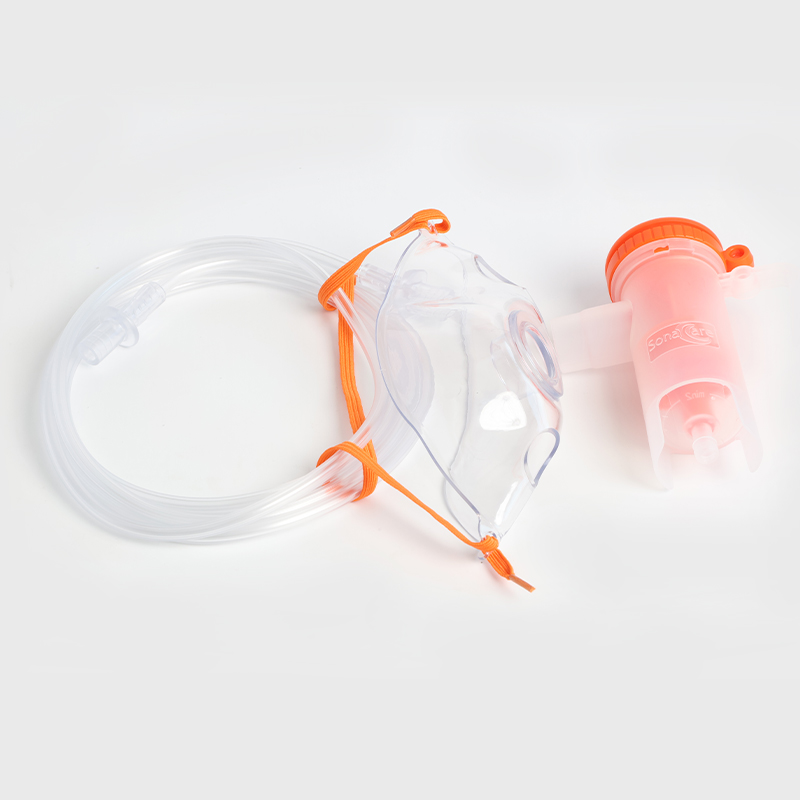
Respiratory care items follow the same logic. Nasal oxygen tubes and nebulizers are purchased in volume, so connector compatibility and packaging integrity under storage matter more than subtle design differences. For masks, the useful question is not style but filtration claims, fit and wearing duration — disposable medical masks are intended for single sessions, and reuse across a shift reduces both barrier performance and comfort.
Surgical Instruments: The Highest-Risk Category
Nothing in this list carries more clinical consequence per unit than the instrument the surgeon is holding. Optical trocars, laparoscopic staplers and ligating clip systems are also the items most likely to be bought on price alone, which is precisely the wrong basis.
For distributors and hospital buyers alike, three checks pay for themselves: confirmation that reloads and clip cartridges match the specific instrument generation, verification of the declared sterile barrier and shelf life, and confirmation that the manufacturer will supply consistent batches over a multi-year contract. A stapler line interrupted by a reload shortage mid-quarter is a clinical risk, not a logistics inconvenience.
How to Qualify a Supplier Before the First Order
A short document request separates serious manufacturers from trading intermediaries. Ask for all six, and compare answers side by side rather than one supplier at a time.
- ISO 13485 certificate with the scope explicitly listing the product families you intend to buy.
- Cleanroom classification of the production area and the laboratory used for routine testing.
- CE marking or FDA registration evidence per product, not per company.
- Traceability example: how a finished batch links back to raw material lots and release records.
- Reorder lead time stated in writing, plus the minimum order quantity for each family.
- Named technical contact who can answer cycle, compatibility and validation questions.
Eray Medical Technology (Nantong) Co., LTD., is a medical device manufacturing enterprise integrating research and development, production, and sales. The company is located in Rudong Economic Development Zone, adjacent to Shanghai, with convenient transportation, and developed information. As a professional medical devices manufacturer and medical consumables factory, the company covers an area of 70 mu, with a construction area of 20,310 square meters. It has an ISO Class 8 cleanroom, an ISO Class 7 microbiological laboratory, and a partial ISO Class 6 physical and chemical laboratory. Eray has established a comprehensive quality control system that encompasses the entire production process, including testing and traceability, from the ISO Class 8 cleanroom to a partial ISO Class 6 physical and chemical laboratory, ensuring that every customer receives trustworthy products.
Hospitals and distributors working through a first tender usually find that a single conversation about specifications saves more than a round of price negotiation. If you are comparing configurations for a new sterile processing unit or restocking ward consumables, send the requirement list to the team and ask for the matching documentation pack at the same time.
Frequently Asked Questions
Q1. What counts as hospital medical supplies rather than general consumables?
Anything used in diagnosis, treatment or sterilization where a documented specification, sterile barrier or traceability record is required. That includes CSSD chemistry and packaging, surgical instruments and ward dressings.
Q2. How much safety stock should a hospital hold for sterilization indicators?
Most departments size it against weekly sterilizer throughput rather than a fixed formula. A reasonable starting point is four to six weeks of consumption, adjusted for expiry dates and the supplier's verified lead time.
Q3. Are disposable medical masks comfortable enough for a full clinical shift?
Breathability depends on the meltblown layer and fit rather than thickness. Masks intended for single sessions should be replaced when damp or after the stated wearing period, which is also when filtration performance begins to drop.
Q4. Which documents should I request from a CSSD equipment manufacturer?
ISO 13485 scope, pressure vessel certification where applicable, cycle validation records, installation requirements for water and power, and the consumable specifications the chamber was validated with.
Q5. Can one supplier realistically cover both sterile processing and surgical instruments?
Yes, but verify the scope of certification per product family rather than assuming coverage. Cross-category suppliers reduce coordination effort; the documentation still needs to be product-specific.
Q6. How do I compare quotes when packaging and indicators come from different vendors?
Normalize the quote to cost per validated load, not cost per box. Include wrap, indicator, tape and labour time per cycle, then compare the total — that is where mixed sourcing usually loses.
Related Products


If you are interested in our products, please consult us
CONTACT DETAILS
- Address : 116 Weihe Road, Rudong County Economic Development Zone, Nantong City, Jiangsu Province,China
- TEL: : +86-18362400158
- Email: : jayne@eraymedtech.com
PRODUCTS
NEWS CENTER
MOBILE TERMINAL
Copyright © 2025 Eray Medical Technology (Nantong) Co., Ltd.
All Rights Reserved. The information provided on this website is intended for use only in countries and jurisdictions outside of the People's Republic of China.
 Medical Devices Manufacturers
Medical Consumables Factory
 CONTACT US
