


 English
 Español
 Français
Home / News / Industry News / Disposable Medical Consumables: A Practical Sourcing Guide for Hospitals
News


Disposable Medical Consumables: A Practical Sourcing Guide for Hospitals
 2026.11.04
 Industry News
Two quotes for the same item — a 100 mm x 100 mm sterile gauze swab, 30,000 pieces a month — land side by side, and one is 18% cheaper per piece. The cheaper quote is usually not the cheaper product. Before signing, ask which supplier can still show you a sealed, dated, traceable pack eleven months from now, and who absorbs the cost of the 4,000 pieces that expire before anyone uses them.
That is the argument of this guide in one line: unit price is the weakest number in consumables purchasing, and cost per procedure is the one that survives a budget review. Cost per procedure is built from four inputs — material grade, sterility assurance and packaging integrity, standards and documentation, and supply reliability. Everything below explains how those four behave in practice, and where the difference between two apparently identical products actually hides.
Short version: specify by material grade and sterility route, verify the paperwork before the first order, and treat remaining shelf life at delivery as part of the price. Suppliers who cannot answer those three points in writing are quoting a different product.
Content
What Counts as Disposable Medical Consumables
In hospital terms, a consumable is anything that is used once and cannot go back into stock: it has been opened, contaminated, or consumed. The category is broad, and that breadth is what makes procurement difficult — the same purchase order may cover a face mask and a laparoscopic stapler, and those two items sit under entirely different regulatory routes, different failure modes, and different expectations of the sales representative.
Grouping the market by clinical function rather than by price band makes the differences visible.
| Family | Typical items | Specification that decides quality | Failure seen in practice |
|---|---|---|---|
| Protective consumables | Medical masks, surgical gowns, drapes | Grammage, fibre blend, filtration class (EN 14683 Type I / II / IIR), hydrostatic head | Loose fit or a mask that collapses after two hours, so staff stop wearing it |
| Wound and catheter care | Foam and alginate dressings, securement devices | Adhesive chemistry, absorbency, moisture vapour transmission rate | Dressing lifts at the edge; skin maceration under an occlusive pad |
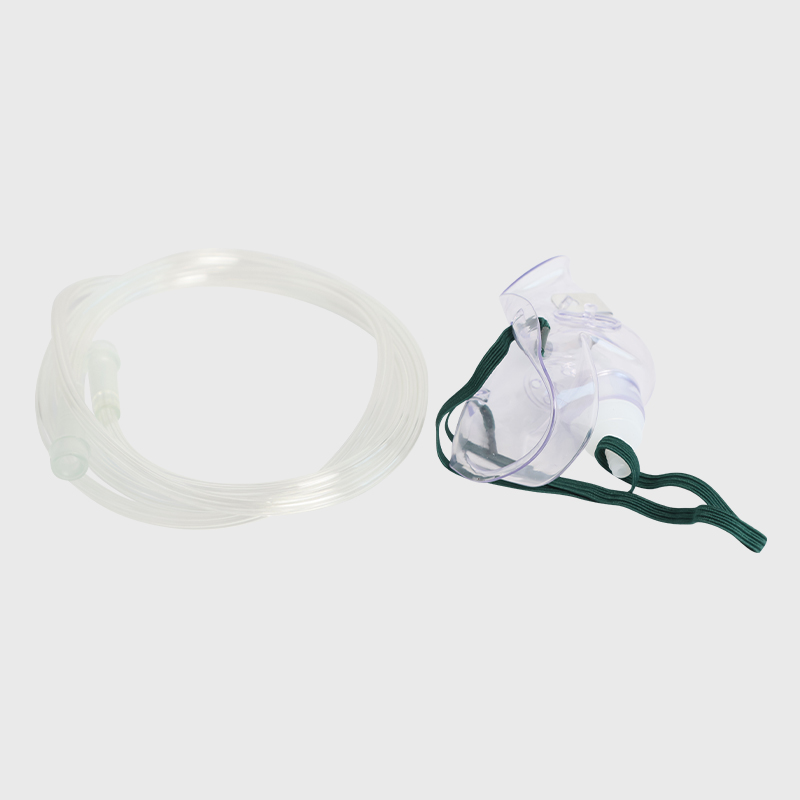
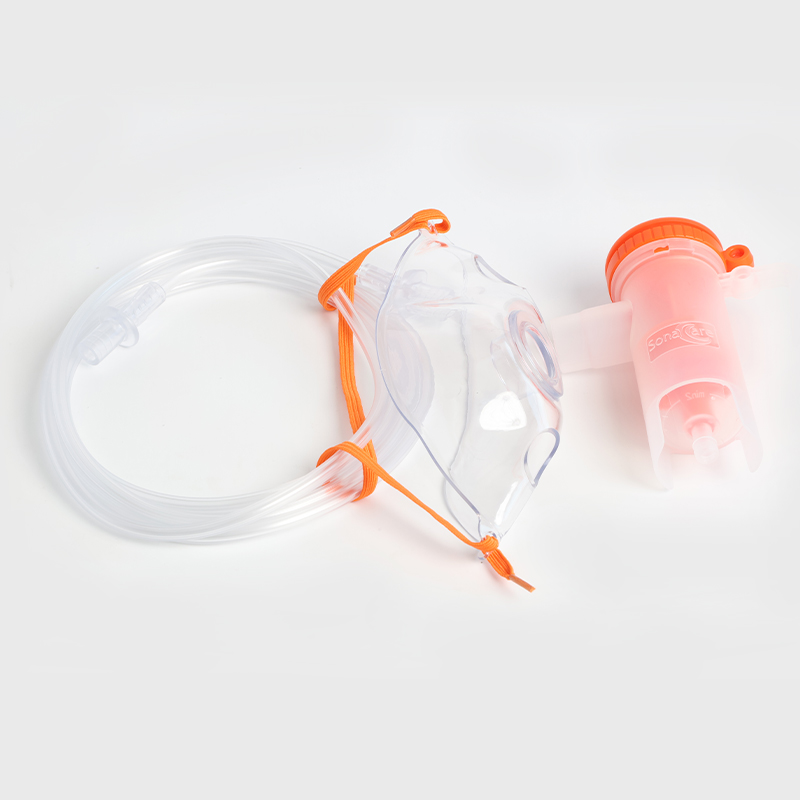
| Respiratory and infusion | Nasal oxygen tubing, nebulizer masks | Biocompatibility, connector standard, material declaration (DEHP-free) | Kinked tubing; connector that does not seat on the ward's flowmeter |
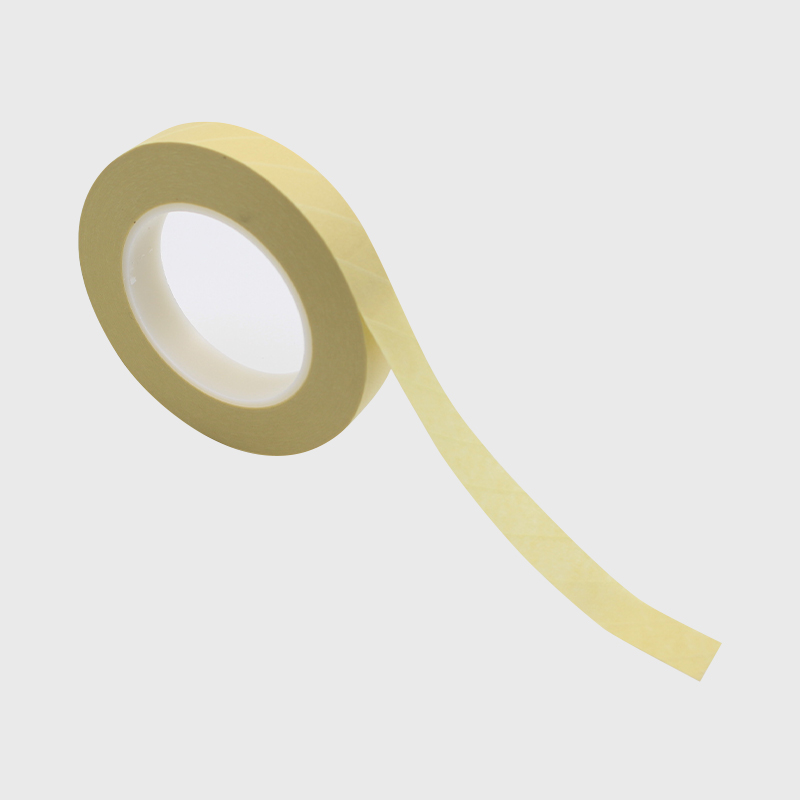
| Sterile barrier packaging | Nonwoven wrap, pouches, indicator tape | EN ISO 11607-1 seal strength and microbial barrier, porosity, compatibility with the cycle | Wet pack after steam sterilization; seal channel that fails on peel |
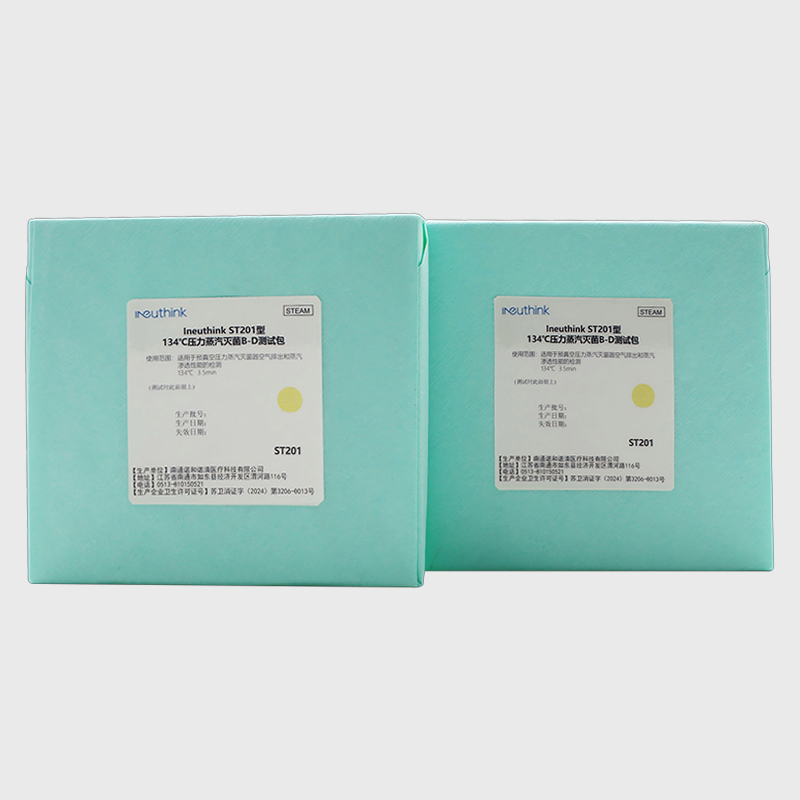
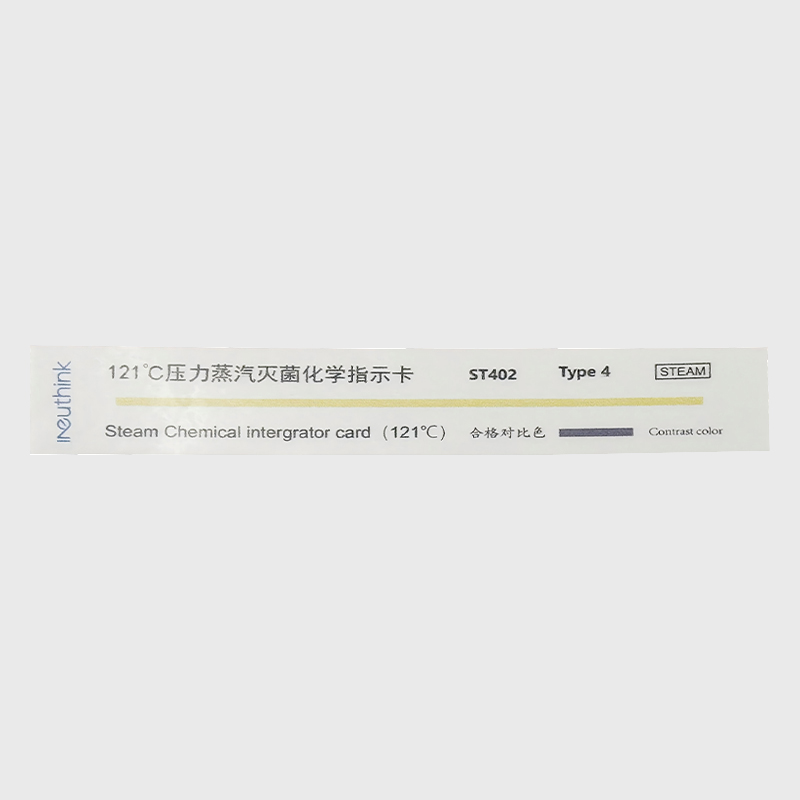
| Sterilization monitoring | Chemical indicators, biological indicators, Bowie-Dick packs | Indicator class under EN ISO 11140; biological indicator under EN ISO 11138 | Class 1 tape used as if it were a load release record |
| Single-use surgical instruments | Trocars, staplers, ligating clips | ISO 13485 process control, lot traceability, validated shelf life | Misfire or seal failure mid-case; no lot record to trace afterward |
The practical consequence: a supplier who can document all six families in one audit pack removes a large amount of internal work. A supplier who can document only one family pushes that work back onto your quality team, one purchase order at a time.
The Four Specifications That Decide Real Cost
Most specification disputes come back to the same short list. Get these four right and the price conversation becomes secondary.
1. Material grade, not just material name
"Non-woven" and "SMS" are category names, not specifications. Two 35 gsm SMS gowns from different mills can differ in hydrostatic head by a factor of two, and a dressing described as "foam" may be 2 mm or 5 mm thick. Ask for the grammage, the fibre composition, the measured barrier value and the test method behind it. For masks sold in Europe, EN 14683 sets bacterial filtration efficiency at 95% or more for Type I and 98% or more for Type II and IIR, with IIR adding splash resistance — a supplier who cannot state the type is not quoting to that standard.
Figure 1. Qualitative material comparison drawn from published nonwoven property descriptions. It is a selection aid, not a test report — always ask for measured values for the specific SKU.
2. Sterility assurance and the sterile barrier
A sterility claim is only as good as the package that protects it. Terminal sterilization is normally validated to a sterility assurance level of one in a million (10^-6), and the packaging itself must be validated to EN ISO 11607-1 for seal strength, peel behaviour and microbial barrier. Two failures show up repeatedly: packs that arrive intact but "wet" because the wrap was incompatible with the cycle, and packs whose shelf life was validated for a storage condition the hospital does not actually have.
Figure 2. Typical terminal sterilization temperatures, degrees Celsius. Setpoints vary by standard and load — confirm compatibility against the device and packaging manufacturers' instructions.
That last point shapes consumable selection more than buyers expect. A low-temperature process such as ethylene oxide or vaporized hydrogen peroxide is chosen when the device cannot survive steam, but it also constrains which wraps, pouches and indicators may be used with it. Mixing an unsuitable wrap into an EO load is a validation failure waiting for an auditor to find it.
 Non-Woven Sterilization Wrap for Medical Device PackagingSMMMS wrap in multiple weights supports steam, EO and low-temperature sterilization, with barrier breathability and tear resistance for surgical packs.View Product →
3. Standards and documentation
ISO 13485 is the baseline quality system; CE marking under the EU MDR and FDA listing or clearance are market access requirements, not quality guarantees. What you actually want to see is the declaration of conformity, the technical file summary relevant to the SKU, the sterilization and packaging validation reports, and lot-level traceability that reaches the patient record. Ask for these before the first order, not after the first complaint.
4. Supply reliability and lead time
Consumables fail clinically when they run out. Check the minimum order quantity against your realistic monthly draw, the production lead time against your safety stock, and the remaining shelf life on arrival — a three-year shelf-life item delivered with fourteen months left has effectively been repriced upward. Change control is the quiet one: if a supplier switches a raw material source without notice, your validated packaging may no longer be the one you approved.
Matching Consumables to the Clinical Area
The same product can be critical in one department and optional in another. A sterile barrier pack is the whole job in a central sterile department; in a small clinic it is a monthly line item. Reading demand by area keeps specification effort proportionate to risk.
Central sterile services (CSSD)
Everything here is a chain: cleaning, disinfection, drying, inspection, packaging, sterilization, monitoring, transport. The consumables in this area — wraps, pouches, indicator tape, chemical and biological indicators — are only as reliable as the process around them. Published monitoring guidance (EN ISO 11140 for chemical indicators, EN ISO 11138 for biological indicators) expects a defined indicator class and release criteria for each load type; a Class 1 external tape on its own is not a load release record.
Figure 3. Exploded view of a validated sterile barrier system: the wrap, the inner layer and the load indicator each carry their own documentation.
Operating theatre
Trocars, staplers, clips, drapes and gowns. The decision here is mostly about compatibility with existing surgical technique and about traceability of single-use instruments. Misfires and seal failures are the events that turn a cheap item into an expensive case, and they are the reason a theatre team will resist substitution even when the price difference is obvious.
Ward and outpatient care
Wound dressings, catheter securement, nasal oxygen tubing, nebulizers. Volume is high, unit price is low, and the failure that matters is usually comfort and adhesion rather than sterility: a dressing that lifts after six hours costs more in nursing time than it saves at purchase.
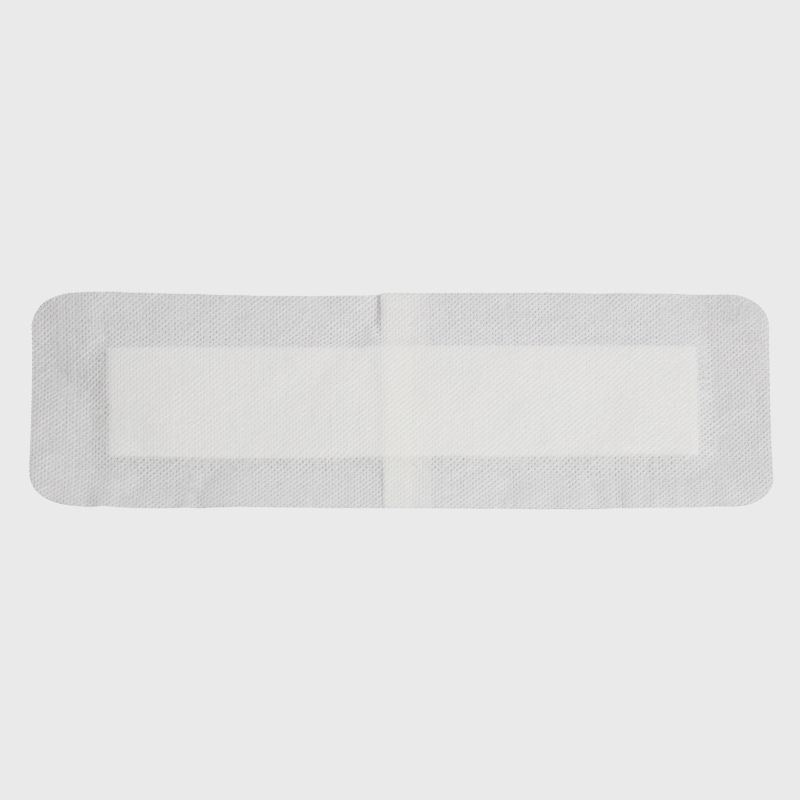
 Wound Dressing for Superficial Wound ProtectionAbsorbent dressing in multiple models and sizes helps manage exudate, maintain a moist environment, and support easy application for chronic and acute wounds.View Product →
Infection protection
Masks and other protective consumables sit between clinical supply and occupational health. Fit, filtration class and breathability decide whether staff actually wear them for a full shift — a compliance outcome, not a comfort preference.
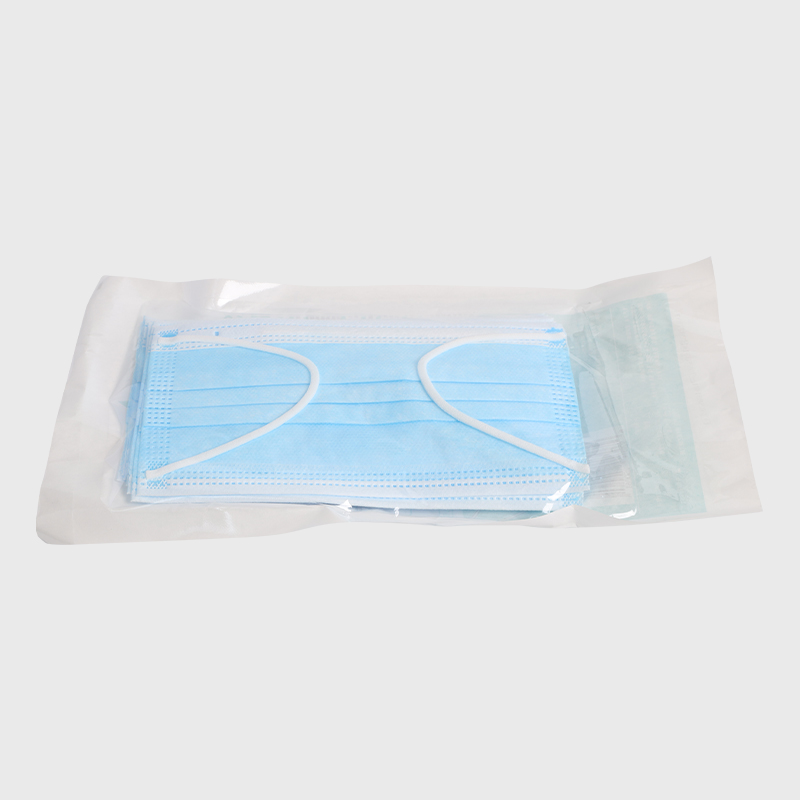 3-Ply Disposable Medical Mask with Ear LoopThree-layer mask with melt-blown BFE >95%, water-blocking outer layer, skin-friendly inner layer, adjustable nose clip and soft ear loops for long wear.View Product →
A Supplier Checklist That Survives an Audit
Audits rarely fail on product performance. They fail on paperwork that does not match the product, or on a process change nobody documented. A short list, applied before the first order, catches most of it.
- Quality system certificate whose scope names the product family, not just the company.
- Sterilization validation and packaging validation reports for each sterile SKU.
- Lot numbering scheme that links a finished pack to its raw material batch and cycle.
- Written change-control notification period, stated in the supply agreement.
- Guaranteed remaining shelf life at delivery, expressed in months.
- A named technical contact for complaints and adverse event reporting.
Manufacturing depth matters here as much as paperwork. Eray Medical Technology (Nantong) Co., LTD., is a medical device manufacturing enterprise integrating research and development, production, and sales. The company is located in Rudong Economic Development Zone, adjacent to Shanghai, with convenient transportation, and developed information. As a professional medical devices manufacturers and medical consumables factory, the company covers an area of 70 mu, with a construction area of 20,310 square meters. It has an ISO Class 8 cleanroom, an ISO Class 7 microbiological laboratory, and a partial ISO Class 6 physical and chemical laboratory. Eray has established a comprehensive quality control system that encompasses the entire production process, including testing and traceability, from the ISO Class 8 cleanroom to a partial ISO Class 6 physical and chemical laboratory, ensuring that every customer receives trustworthy products.
Its range runs from protective masks and nursing consumables through CSSD furniture, sterile processing solutions and single-use surgical instruments, so a single audit pack and a single traceability chain can cover several departments at once instead of one line item.
If you are comparing suppliers for a specific SKU, send the specification and monthly volume and ask for the documentation pack alongside the quotation. How quickly and how completely that pack arrives tells you more about the supplier than the price ever will.
Frequently Asked Questions
Q1. Are disposable medical consumables the same as single-use devices?
Not exactly. "Consumable" is a purchasing term for anything used up in care; "single-use device" is a regulatory term with a defined risk class and mandatory documentation.
Q2. How do I compare two quotes for the same consumable?
Match grammage or material grade, sterility and packaging validation, remaining shelf life at delivery, and lead time. If all four align, price is genuinely the only difference.
Q3. What shelf life should I expect on arrival?
Most sterile consumables carry two to five years from manufacture, but hospitals usually set a minimum remaining life in the contract. Put the number in writing.
Q4. Is ISO 13485 certification enough to approve a supplier?
It is the starting point. It confirms an audited quality system exists, not that a specific SKU's validation, packaging and labelling match your market.
Q5. Can consumables be reprocessed to reduce spend?
Some single-use devices are reprocessed in certain markets under specific regulation, but the original validation no longer applies. Treat it as a risk decision, not a purchasing one.
Q6. Why does the same product cost differently across regions?
Distribution margin, sterilization route, packaging format and order volume all move the number. An anomalous price usually reflects a different specification.
Related Products
If you are interested in our products, please consult us
CONTACT DETAILS
- Address : 116 Weihe Road, Rudong County Economic Development Zone, Nantong City, Jiangsu Province,China
- TEL: : +86-18362400158
- Email: : jayne@eraymedtech.com
PRODUCTS
NEWS CENTER
MOBILE TERMINAL
Copyright © 2025 Eray Medical Technology (Nantong) Co., Ltd.
All Rights Reserved. The information provided on this website is intended for use only in countries and jurisdictions outside of the People's Republic of China.
 Medical Devices Manufacturers
Medical Consumables Factory
 CONTACT US
