


 English
 Español
 Français
Home / News / Industry News / Is the use of medical trocars safe? What risks and complications should be considered?
News


Is the use of medical trocars safe? What risks and complications should be considered?
 2025.12.23
 Industry News
Medical trocars are commonly used medical devices in clinical treatment, widely applied in venous puncture, intravenous infusion, blood sampling, and other medical procedures. Their unique design and function allow healthcare professionals to reduce pain and improve the success rate of injections, blood sampling, and other procedures. However, despite their undeniable importance in medicine, the use of trocars also carries certain risks and potential complications. Therefore, understanding their safety and the precautions needed during use is crucial to ensuring patient safety and treatment effectiveness.
1. What is a medical trocar?
A medical trocar (also known as an IV cannula, intravenous cannula, etc.) is a medical device used for vascular puncture. It typically consists of a needle and a flexible cannula. The needle is used to penetrate the skin and blood vessel wall, while the cannula maintains the vessel's open state after puncture. Trocars are commonly used in intravenous injections, blood sampling, intravenous infusions, and hemodialysis, effectively avoiding patient discomfort caused by frequent needle insertions.
2. Safety of Medical Trocar Use
As a widely used medical tool, medical trocars are relatively safe under normal use. Their design principles are based on reducing vascular damage, lowering the risk of puncture failure, and improving patient comfort. However, the safety of trocars depends not only on the device itself but also on factors such as operating technique, hygiene environment, and the patient's physical condition.
(1) Professional Operation is Crucial
Correct operating technique is essential for the safe use of trocars. Medical personnel need to receive professional training and master the correct insertion techniques to ensure smooth insertion and minimize patient discomfort. When using trocars, doctors and nurses must follow sterile operating procedures to prevent infection. Any improper operation, such as repeated needle insertions, incorrect selection of the puncture site, or excessive force during the procedure, will increase patient discomfort and the risk of complications.
(2) Sterile Operation Reduces Infection Risk
When a trocar is inserted, the local skin and blood vessels are susceptible to bacterial contamination; therefore, strictly following sterile procedures is a prerequisite for safe use. Any unhygienic procedures, such as unsterilized hands or instruments, can lead to bacteria entering the bloodstream, causing local infections or even systemic infections (such as sepsis). Therefore, medical personnel must strictly adhere to aseptic techniques, ensuring proper disinfection of the patient's skin before each puncture and using disposable sterile equipment.
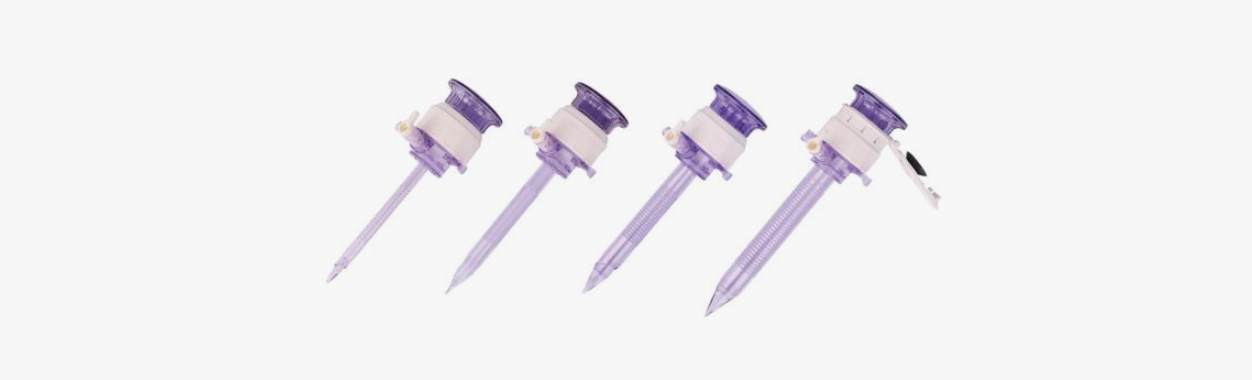
3. Common Risks in the Use of Medical Cannulas
Although medical cannulas are well-designed and widely used in clinical practice, there are still some potential risks during their use. The following are some common complications:
(1) Puncture Failure
Puncture failure is one of the common complications when using cannulas. Especially in areas where blood vessels are small and difficult to access, improper operation or the patient's body type may lead to puncture failure during cannula insertion. This not only prolongs the procedure time but may also cause additional pain and discomfort to the patient. Reasons for puncture failure may include:
Blood vessels being too thin or fragile: For example, the blood vessel walls of elderly people or children are thinner and more fragile, making them prone to rupture.
Improper operation: Such as incorrect insertion angle or improper force application.
Excessive puncturing: Repeated attempts at puncturing in the same area may lead to blood vessel damage.
(2) Hematoma and Bleeding
A hematoma is caused by damage to the blood vessel wall during the puncture process, resulting in blood leakage and accumulation in the subcutaneous tissue, forming swelling and pain. Although most hematomas will be absorbed on their own in a short time, larger hematomas may require medical intervention. Hematoma formation is usually related to the following factors:
Improper puncture site selection: Some areas, such as the elbow and ankle, have superficial blood vessels that are easily damaged.
Improper operation: Excessive force during the puncture process may lead to blood vessel rupture.
Use of anticoagulant drugs: Patients taking anticoagulant drugs are more prone to blood leakage and hematoma formation.
(3) Phlebitis
Phlebitis refers to local inflammation of the vein due to prolonged cannula placement or improper operation. Phlebitis often manifests as local redness, swelling, fever, and pain. If not treated promptly, it may lead to more serious infections and thrombosis. Common causes of phlebitis include:
Prolonged catheterization: Long-term placement of the cannula may cause local venous inflammation. Repeated puncture of the same site: Repeated puncture of the same blood vessel can easily lead to inflammation.
Infection: Infection at the cannula insertion site can lead to phlebitis.
(4) Air Embolism
Air embolism is a rare but extremely dangerous complication, referring to air entering the blood vessel and blocking blood flow. This usually occurs during the cannulation process. If air enters the venous system, it can cause obstruction of blood supply to vital organs such as the heart and brain. Methods to prevent and treat air embolism include:
Strictly controlling the amount of air entering the blood vessel: Ensure that there is no residual air in the syringe and infusion tubing.
Maintaining an appropriate operating position: Avoid positions where the head is higher than the body.
(5) Allergic Reactions and Local Reactions
Some patients may have allergic reactions to the materials of the cannula (such as rubber, plastic) or the medications used during the puncture process. Allergic reactions may manifest as local redness and itching, or even more severe systemic allergic reactions, such as anaphylactic shock. In addition, local inflammatory reactions may also be caused by medication or irritation after puncture.
4. How to Reduce the Risks of Using Medical Cannulas?
To reduce the risks and complications associated with cannula use, healthcare professionals and patients need to pay attention to the following points:
(1) Choose the appropriate puncture site and equipment
Choosing the appropriate puncture site (such as the upper arm vein) and the appropriate cannula size is crucial to avoid puncturing too deeply or too shallowly, reducing local damage.
(2) Strictly adhere to aseptic procedures
Ensure that the operating area is sterile and use disposable sterile cannulas to avoid cross-infection.
(3) Regularly replace the cannula
Replace the cannula regularly according to medical advice and the patient's actual condition to avoid long-term placement leading to infection or phlebitis.
(4) Monitor patient reactions
Closely observe the patient's reactions. If there is any discomfort, take timely measures to prevent complications from worsening.
Related Products

If you are interested in our products, please consult us
CONTACT DETAILS
- Address : 116 Weihe Road, Rudong County Economic Development Zone, Nantong City, Jiangsu Province,China
- TEL: : +86-18362400158
- Email: : jayne@eraymedtech.com
PRODUCTS
NEWS CENTER
MOBILE TERMINAL
Copyright © 2025 Eray Medical Technology (Nantong) Co., Ltd.
All Rights Reserved. The information provided on this website is intended for use only in countries and jurisdictions outside of the People's Republic of China.
 Medical Devices Manufacturers
Medical Consumables Factory
Medical Devices Manufacturers
Medical Consumables Factory
 CONTACT US
