


 English
 Español
 Français
Home / News / Industry News / How to Choose the Right Wound Dressing? Recommended Dressings for Different Wound Types
News


How to Choose the Right Wound Dressing? Recommended Dressings for Different Wound Types
 2025.12.16
 Industry News
Wound care is a very important part of medical and daily life. The right wound dressing can effectively promote wound healing, prevent infection, reduce pain, and accelerate the recovery process. There are various types of wound dressings on the market, each with different functions and applications. So, how do you choose the right wound dressing?
1. Dressings for Cuts and Minor Wounds
For relatively superficial wounds such as cuts and scratches, overly complex dressings are usually not necessary. The focus is on preventing external bacteria and dirt from entering the wound and avoiding infection.
Recommended dressings: Medical gauze, transparent dressings, antibacterial dressings
Features: For superficial wounds, transparent dressings have good breathability and moisture control, helping to keep the wound dry and reduce the risk of infection. Medical gauze is suitable for minor cuts, absorbing exudate and protecting the wound. In addition, some antibacterial dressings can prevent wound infection and are suitable for sensitive wounds.
2. Dressings for Abrasions and Scratches
Abrasions and scratches usually involve damage to the surface layer of the skin, which may lead to minor bleeding. Choosing the right wound dressing can not only stop bleeding but also accelerate skin regeneration.
Recommended dressings: Hydrocolloid dressings, foam dressings, transparent film dressings
Features: Due to their strong water absorption and adhesion, hydrocolloid dressings effectively control wound moisture during the treatment of abrasions, promoting wound healing and reducing pain. Foam dressings are suitable for larger abrasions, providing cushioning protection and preventing the wound from being subjected to external pressure. Transparent film dressings are ideal for small abrasions, protecting the wound from external contamination without interfering with wound healing.
3. Dressings for Surgical Wounds
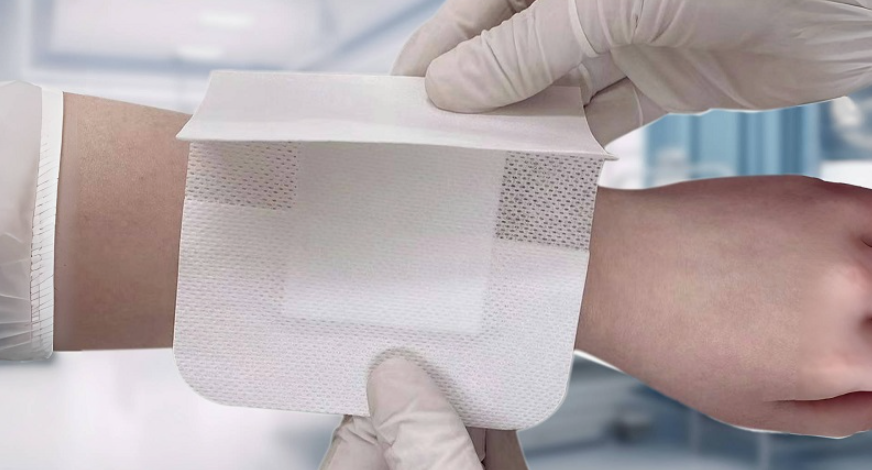
Surgical wounds are usually larger and require good protection to prevent infection and promote healing. Surgical wound dressings need to have antibacterial, waterproof, and breathable functions.
Recommended dressings: Sterile dressings, absorbent dressings, antibacterial dressings
Features: After surgery, wounds are susceptible to bacterial infection, so sterile dressings are crucial. Moisture-absorbing dressings (such as hydrocolloid dressings) can effectively absorb wound exudate, keeping the wound dry without interfering with the healing process. Antimicrobial dressings inhibit bacterial growth and reduce the risk of infection, and are particularly suitable for larger wounds after surgery.
4. Dressing Selection for Burns
Burns are a serious type of trauma, and wound healing is closely related not only to the treatment method but also to the selection of appropriate dressings. The choice of burn dressings should consider the heat of the wound, pain level, and risk of infection.
Recommended dressings: Cold compresses, gel dressings, hydrogel dressings
Features: Cold compresses can effectively relieve the burning sensation after burns and reduce inflammation. Gel dressings or hydrogel dressings can provide an additional moist environment for burn wounds, promoting wound repair and reducing scar formation. These dressings also have analgesic effects, reducing pain and accelerating healing.
5. Dressing Selection for Chronic Wounds (such as diabetic foot ulcers)
Chronic wounds usually heal slowly due to poor blood circulation, diabetes, or other health problems. These wounds require specialized dressings to promote blood flow, reduce infection, and improve the wound's self-healing ability.
Recommended dressings: Hydrocolloid dressings, silver ion dressings, foam dressings
Features: Hydrocolloid dressings, due to their excellent moisture absorption and protective properties, can maintain a moist environment during chronic wound healing and promote cell regeneration. Silver ion dressings have a strong antibacterial effect and can effectively prevent infection, making them suitable for easily infected wounds such as diabetic foot ulcers. Foam dressings are suitable for wounds with excessive exudate; they can absorb excess fluid and keep the wound clean.
6. Dressing Selection for Deep Wounds
Deep wounds, such as knife wounds, lacerations, or wounds that have not healed for a long time after trauma, require dressings that are highly absorbent, antibacterial, infection-preventing, and breathable. These wounds often require long-term care and may require multiple dressing changes. Recommended Dressings: Absorbent dressings, adhesive dressings, polyurethane foam dressings
Features: Absorbent dressings, such as hydrocolloid dressings, promote moist wound healing in deep wounds, maintaining appropriate humidity and reducing scarring. Adhesive dressings are suitable for larger or deeper wounds, stabilizing the wound and preventing the dressing from slipping. Polyurethane foam dressings not only absorb exudate but also provide effective protection, preventing the wound from external interference.
7. Dressing Selection for Post-Traumatic Scar Repair
During the scar formation stage after wound healing, choosing the appropriate dressing can help reduce scar formation and minimize scarring.
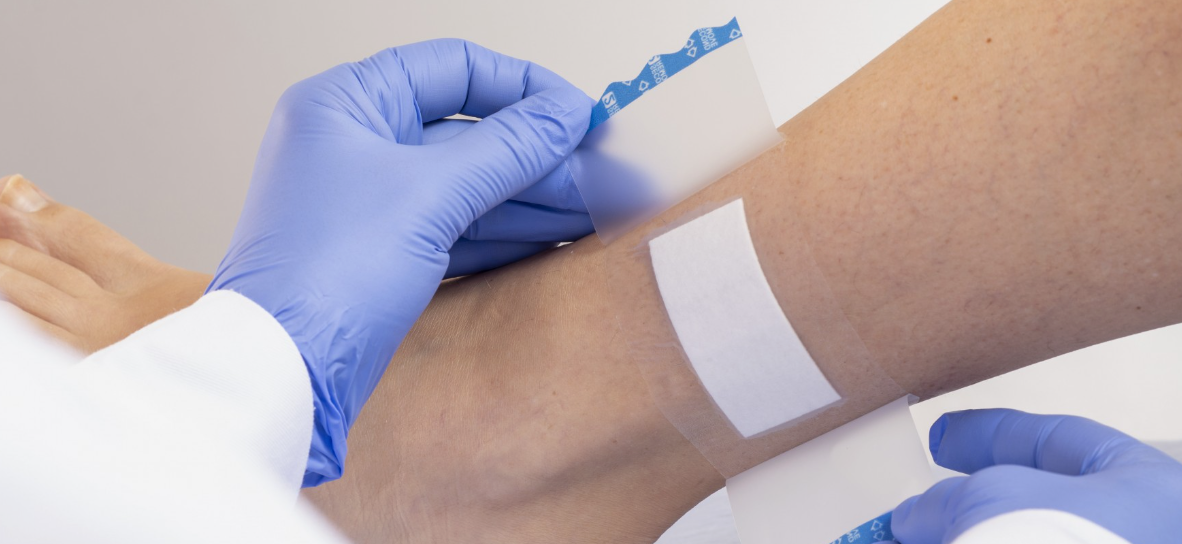
Recommended Dressings: Silicone dressings, transparent film dressings, elastic dressings
Features: Silicone dressings are widely used in scar treatment, reducing the hardness and thickness of scars, and helping to flatten and soften them. Transparent film dressings maintain a moist wound environment, reducing dryness and hardening, and promoting natural scar healing. Elastic dressings are suitable for wounds requiring stretching and expansion, reducing scar stretching.
8. Principles for Wound Dressing Selection
When choosing the appropriate wound dressing, the following factors should be considered:
Wound type: Different types of wounds require different dressings, such as burns, chronic wounds, and acute wounds.
Wound exudate: If the wound has a large amount of exudate, a highly absorbent dressing should be chosen; if there is less exudate, a lighter dressing such as a transparent film dressing is sufficient.
Antibacterial function: For wounds prone to infection, choosing an antibacterial dressing helps reduce bacterial invasion.
Comfort and breathability: Ensure the dressing is skin-friendly and breathable to avoid discomfort and skin allergies.
Choosing the right wound dressing is crucial for wound healing. Different types of wounds require different care plans, and the right dressing can effectively promote wound healing, reduce infection, and alleviate pain. Understanding the nature of the wound, the amount of exudate, and the risk of infection, and choosing the most suitable wound dressing will help you provide the best care for your wound and ensure a smooth and worry-free recovery process.
Related Products

If you are interested in our products, please consult us
CONTACT DETAILS
- Address : 116 Weihe Road, Rudong County Economic Development Zone, Nantong City, Jiangsu Province,China
- TEL: : +86-18362400158
- Email: : jayne@eraymedtech.com
PRODUCTS
NEWS CENTER
MOBILE TERMINAL
Copyright © 2025 Eray Medical Technology (Nantong) Co., Ltd.
All Rights Reserved. The information provided on this website is intended for use only in countries and jurisdictions outside of the People's Republic of China.
 Medical Devices Manufacturers
Medical Consumables Factory
Medical Devices Manufacturers
Medical Consumables Factory
 CONTACT US
