


 English
 Español
 Français

Complete Guide to Disposable Protective Masks in 2026
 2026.08.06
 Industry News
Content
- 1 What Is A Disposable Protective Mask
- 2 Materials And Layer Structure
- 3 Filtration Performance And Common Test References
- 4 Common Types Of Disposable Face Masks
- 5 Comparing Mask Categories Across Key Attributes
- 6 Where Disposable Face Masks Are Commonly Used
- 7 Proper Wearing And Handling Guidelines
- 8 Long Term Demand Patterns For Disposable Face Masks
- 9 Working With A Disposable Protective Mask Manufacturer
- 10 Quality Assurance Considerations In Production
- 11 About Eray Medical Technology
- 12 Frequently Asked Questions
- 12.1 Q1. What is a disposable protective mask
- 12.2 Q2. What are disposable masks made of
- 12.3 Q3. How effective are disposable masks
- 12.4 Q4. How long can you wear a disposable mask
- 12.5 Q5. Can disposable masks be reused
- 12.6 Q6. Do disposable masks expire
- 12.7 Q7. Are disposable masks waterproof
- 12.8 Q8. Are disposable masks breathable
- 12.9 Q9. What is the difference between OEM and private label disposable masks
- 12.10 Q10. How are bulk orders typically arranged with a supplier
What Is A Disposable Protective Mask
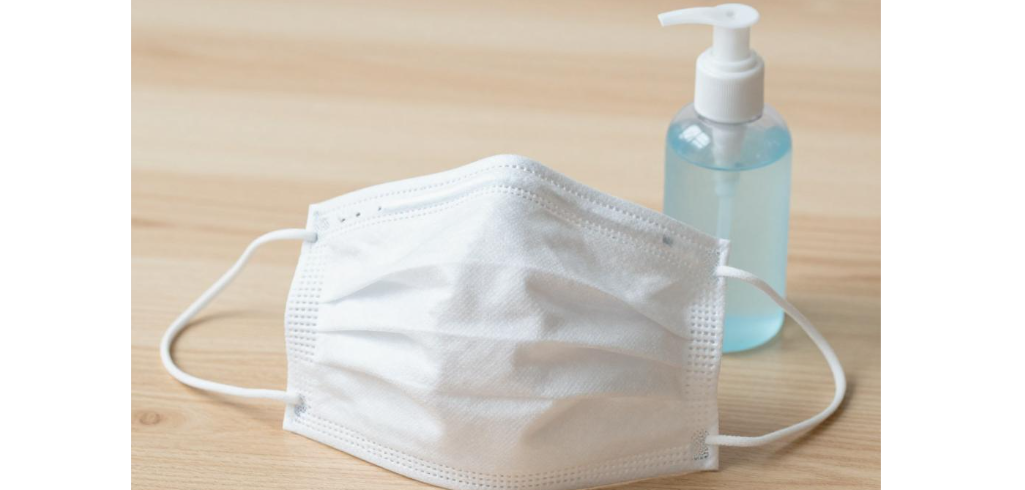
A disposable protective mask is a single use facial covering designed to reduce the exchange of respiratory droplets, dust, and airborne particles between the wearer and the surrounding environment. It is intended for one time wear and is discarded after each use session rather than washed or reprocessed. Most disposable face masks are built from layered non woven fabric, with a filter layer sandwiched between an outer splash resistant layer and an inner comfort layer that sits against the skin.
These masks are widely used across healthcare facilities, dental clinics, food processing plants, electronics assembly lines, laboratories, salons, and general public settings. Their appeal comes from convenience, consistent filtration performance when new, and the ability to replace a soiled or damaged mask instantly without laundering or maintenance. In this guide, every major aspect of disposable face masks is covered, from raw material structure to selection criteria for bulk buyers and distributors.
Materials And Layer Structure
The performance of a disposable protective mask depends almost entirely on its layer composition. A standard three layer mask is constructed as follows.
Outer Layer
Typically a spunbond non woven polypropylene fabric. This layer is treated to resist splashes and fluid droplets, forming the first barrier against external contamination.
Middle Filter Layer
Usually a melt blown polypropylene fabric with a fine fiber structure. This layer is the primary filtration component and is responsible for capturing small particles and respiratory droplets through mechanical and electrostatic filtration.
Inner Layer
A soft spunbond non woven fabric that contacts the wearer's face. It is designed for comfort and to absorb moisture from breathing.
Some enhanced designs add a fourth layer or use a heavier gram weight melt blown fabric to raise filtration performance for higher exposure environments such as surgical settings.
Simplified structural view of a standard disposable face mask
Filtration Performance And Common Test References
Filtration performance for disposable protective masks is commonly evaluated against published test frameworks such as ASTM F2100, which sets threshold levels for bacterial filtration efficiency, particulate filtration efficiency, fluid resistance, and breathability. Under this framework, masks are generally grouped into performance levels.
- Level 1 masks are formulated for low exposure environments and are required to reach a bacterial filtration efficiency of at least 95 percent.
- Level 2 masks target moderate exposure environments with a bacterial filtration efficiency requirement of at least 98 percent along with moderate fluid resistance.
- Level 3 masks are intended for higher exposure environments, combining a bacterial filtration efficiency of at least 98 percent with the highest fluid resistance rating in the standard.
These thresholds are published performance requirements rather than promises of individual product outcomes, and actual filtration always depends on correct fit, wear duration, and storage condition of the specific batch.
Common Types Of Disposable Face Masks
Buyers sourcing disposable protective masks typically choose between a small set of established formats. The table below summarizes the most common categories found in medical, industrial, and general use channels.
| Mask Type | Typical Layers | Common Setting |
|---|---|---|
| Flat fold ear loop mask | Three layer | General clinical and public use |
| Pleated tie back mask | Three to four layer | Surgical and procedural rooms |
| Cup shaped molded mask | Multi layer non woven | Industrial dust and particulate work |
| Colored or printed mask | Three layer | Retail, hospitality, everyday wear |
Comparing Mask Categories Across Key Attributes
When comparing a basic single layer covering, a standard three layer disposable protective mask, and an enhanced multi layer version, the trade offs generally fall across filtration capability, breathability, comfort, fluid resistance, and structural stability. The radar chart below presents an illustrative relative comparison across these attributes on a simple qualitative scale.
Where Disposable Face Masks Are Commonly Used
Disposable protective masks appear across a wide range of environments, each with a slightly different emphasis on filtration, comfort, or wear duration.
- Hospitals, clinics, and dental practices where consistent barrier performance and quick replacement are important during patient interactions.
- Food and beverage processing lines where hygiene control and staff turnover require simple, low maintenance protective items.
- Electronics and precision manufacturing environments where dust and particulate control support cleanroom protocols.
- Laboratories and research facilities that require frequent, single use protective equipment turnover.
- Everyday public use, including travel, commuting, and seasonal wear during periods of higher airborne particulate or pollen levels.
Proper Wearing And Handling Guidelines
Fitting The Mask
The mask should cover the nose, mouth, and chin fully, with the nose bridge strip pressed to follow the shape of the nose to reduce gaps along the sides.
Wear Duration
A disposable protective mask is designed for a single continuous wear period. Once the mask becomes visibly soiled, damp from prolonged breathing, or physically damaged, it should be replaced with a new one.
Storage Before Use
Unused masks should be kept in their original sealed packaging, stored in a clean, dry location away from direct sunlight and away from chemical vapors, and used within the timeframe indicated on the packaging by the producing facility.
Disposal
After use, the mask should be removed by the ear loops without touching the front surface, then placed directly into a closed waste receptacle, followed by hand hygiene.
Long Term Demand Patterns For Disposable Face Masks
Demand for disposable protective masks has remained structurally present across healthcare, food safety, and industrial hygiene programs, with additional seasonal and regional fluctuations tied to air quality events and public health guidance. The chart below presents an illustrative demand pattern across recent years, intended to show the general shape of sustained baseline demand with periodic increases rather than exact market figures.
Working With A Disposable Protective Mask Manufacturer
Distributors, clinics, and retail buyers sourcing in volume typically work directly with a disposable protective mask manufacturer rather than purchasing through general retail channels. This approach supports consistent batch quality, predictable lead times, and access to documentation for internal procurement records.
Common Sourcing Models
- Working with an established disposable mask supplier for standard catalog products shipped in bulk packaging.
- Requesting OEM disposable mask production, where packaging, color, and specification details are defined by the buyer.
- Arranging a private label disposable mask program for retail or clinic branded distribution.
- Sourcing directly from a medical disposable mask factory for buyers requiring documented production environment details.
- Purchasing through disposable face mask wholesale channels for regional distribution networks.
- Coordinating disposable mask export logistics for cross border procurement and multi country distribution.
When evaluating a potential manufacturing partner, buyers commonly review the production environment classification, incoming raw material controls, in process quality checks, and finished goods sampling procedures before finalizing an order.
Quality Assurance Considerations In Production
Consistent output from a disposable face mask production line depends on several linked quality control stages.
- Raw material inspection for non woven fabric weight, filter layer consistency, and ear loop elasticity before entering production.
- Environmental control of the production area, including controlled particulate levels appropriate for the product category.
- In process monitoring of seam strength, layer alignment, and nose bridge strip placement during automated forming.
- Finished goods sampling for filtration performance, breathability, and packaging integrity prior to release.
- Documented storage conditions for raw materials and finished goods to preserve performance until the point of use.
About Eray Medical Technology
Eray Medical Technology (Nantong) Co., Ltd. is an integrated enterprise of industry and trade combining research and development, production, and sales within the medical device field. The manufacturing base is located in Rudong Economic Development Zone in Jiangsu Province, benefiting from a favorable location, convenient transportation access, and an established industrial cluster environment.
The facility covers a building area of 20,310 square meters and includes an ISO Class 8 cleanroom, an ISO Class 7 microbiological laboratory, and a partial ISO Class 6 physical and chemical laboratory, supported by a standardized storage system for raw materials and finished products.
Since its first products were introduced in 2013, Eray has continued to expand its product categories, which now include protective masks, nursing consumables, sensory control consumables, and surgical instruments, supplying disposable medical solutions to healthcare institutions in multiple regions. The company holds ISO 13485 quality system certification, with select products carrying CE certification and FDA filing status, and maintains long term relationships with domestic and international medical institutions and distributors.
Frequently Asked Questions
Q1. What is a disposable protective mask
It is a single use facial covering made from layered non woven fabric, worn once and then discarded rather than washed or reused.
Q2. What are disposable masks made of
Most versions are made from layers of spunbond and melt blown polypropylene non woven fabric, along with an elastic ear loop and a flexible nose bridge strip.
Q3. How effective are disposable masks
Filtration effectiveness depends on the layer structure and performance level, with common reference standards such as ASTM F2100 defining minimum bacterial filtration thresholds.
Q4. How long can you wear a disposable mask
A disposable mask is intended for a single continuous wear period and should be replaced once it becomes damp, soiled, or damaged.
Q5. Can disposable masks be reused
They are designed for single use only and are not intended to be washed, sanitized, or worn again after removal.
Q6. Do disposable masks expire
Yes, manufacturers typically indicate a recommended storage timeframe on the packaging, and masks stored beyond that period may show reduced elastic or fabric performance.
Q7. Are disposable masks waterproof
The outer layer is generally splash resistant rather than fully waterproof, meaning it resists light droplets but is not designed for submersion or heavy fluid exposure.
Q8. Are disposable masks breathable
Standard three layer designs are engineered to balance filtration with airflow, allowing normal breathing during typical wear periods.
Q9. What is the difference between OEM and private label disposable masks
OEM production follows a buyer defined specification for materials and construction, while private label programs focus on applying a buyer's own branding and packaging to an existing product line.
Q10. How are bulk orders typically arranged with a supplier
Buyers usually confirm specifications, packaging format, and shipping method directly with the manufacturer or supplier before production begins.
Related Products

If you are interested in our products, please consult us
CONTACT DETAILS
- Address : 116 Weihe Road, Rudong County Economic Development Zone, Nantong City, Jiangsu Province,China
- TEL: : +86-18362400158
- Email: : jayne@eraymedtech.com
PRODUCTS
NEWS CENTER
MOBILE TERMINAL
Copyright © 2025 Eray Medical Technology (Nantong) Co., Ltd.
All Rights Reserved. The information provided on this website is intended for use only in countries and jurisdictions outside of the People's Republic of China.
 Medical Devices Manufacturers
Medical Consumables Factory
Medical Devices Manufacturers
Medical Consumables Factory
 CONTACT US
