


 English
 Español
 Français
Home / News / Industry News / Does Wearing a Mask Protect the Wearer? Evidence, Fit, and Real-World Impact
News


Does Wearing a Mask Protect the Wearer? Evidence, Fit, and Real-World Impact
 2026.09.16
 Industry News
You step into a crowded elevator wearing a disposable medical mask. Around you, nobody else is masked. A passenger coughs into the stale air, and you wonder whether that thin piece of nonwoven fabric is actually protecting you or is only useful to infected people around you.
The short answer: wearing a mask protects the wearer. Laboratory filtration tests and real-world infection data agree that a well-chosen mask reduces how many viral particles reach your nose and throat. Because a lower inhaled dose gives your immune system more time to respond before the virus establishes itself, that reduction translates into a lower risk of becoming infected and, when infection does occur, a lower risk of severe symptoms.
The size of that protection, however, is not fixed. It depends on three variables you can control: the mask material, how tightly the mask seals against your face, and whether you keep it on for the entire exposure.
Content
- 1 What the Evidence Says About Wearer Protection
- 2 How a Mask Reduces Your Viral Dose
- 3 Protection Levels by Mask Type
- 4 One-Way Masking: If Nobody Else Wears a Mask, Does Yours Still Work?
- 5 Fit and Consistency Decide the Real-World Effect
- 6 Choosing a Mask That Actually Protects You
- 7 Frequently Asked Questions About Mask Protection
What the Evidence Says About Wearer Protection
Early public-health messaging repeated a simple phrase: your mask protects me, my mask protects you. The phrase was accurate, but it made mask wearing look like an act of social responsibility rather than self-protection.
Today, public health agencies explicitly state that masks also protect the person wearing them. The CDC notes that masks reduce the wearer's exposure to respiratory viruses by filtering incoming air, while a research summary from the National Institutes of Health concluded that professional and home-made face masks reduce exposure to respiratory infections among the general population. A national case-control study highlighted in the same NIH/NLM research roundup added a practical number: consistently wearing an N95 or KN95 respirator lowered the odds of infection by 83% compared with wearing no mask.
The takeaway is straightforward. Mask protection is not binary. A mask does not block everything or nothing. It progressively cuts the viral dose you inhale, and that cut shows up directly in infection statistics.
How a Mask Reduces Your Viral Dose
Respiratory viruses travel inside aerosol particles that range from large droplets, which fall quickly, to tiny droplet nuclei that float in the air for minutes. When you breathe through a mask, the air stream must bend around the fibers inside the material. Four physical mechanisms remove particles during that process:
- Inertial impaction: large particles cannot follow the curved airflow, so they crash into fibers and stick.
- Interception: particles that follow the airflow touch a fiber and are captured.
- Diffusion: very small aerosols bounce between gas molecules and randomly hit fibers.
- Electrostatic attraction: melt-blown polypropylene fibers carry a charge that pulls particles toward them.
The cumulative result is a filter that captures a meaningful share of the particles in the 0.3–5 µm range where respiratory viruses travel. The melt-blown layer is especially important because it adds electrostatic capture to mechanical capture, which is why a disposable medical mask outperforms most cloth masks made of ordinary fibers.
Reduction in Infection Odds with Consistent Mask Wearing
N95/KN95 figure from a national case-control study highlighted in the NIH/NLM research roundup; cloth and medical mask values are approximate from the same body of evidence. Higher bars mean a lower chance of infection.
A lower inhaled dose matters because viral infection is dose-dependent. The more particles you breathe in, the faster the virus can overtake your mucosal defenses. A mask shifts that competition in your favor, giving your immune system crucial time to react.
Protection Levels by Mask Type
Not all masks offer the same protection to the wearer. The table below summarizes typical performance when each type is worn correctly and consistently.
| Mask type | Relevant standard | Wearer protection | Suitable settings |
|---|---|---|---|
| Cloth or poly-blend mask | No formal standard | Low; blocks coarse droplets only | Short outdoor errands |
| Disposable medical mask | ASTM F2100 / EN 14683 | Moderate; high filter efficiency, limited edge seal | Clinics, wards, public transport |
| KN95 / KF94 respirator | GB2626 / KMOEL | High when a good seal is achieved | Crowded indoor spaces |
| N95 respirator | NIOSH 42 CFR 84 | Highest; fit-tested in occupational use | Healthcare and high-risk exposure |
One important caveat: a high filtration score in a laboratory test does not automatically become high protection in real life. If air leaks past the edges of the mask, the effective protection drops sharply.
One-Way Masking: If Nobody Else Wears a Mask, Does Yours Still Work?
Yes, with an important condition: the mask must be designed for filtration and must fit your face. This is not a theoretical argument; it is the exact situation people face on buses, trains, waiting rooms, and crowded stores where masking rates are low.
The NIH/NLM research roundup summarized evidence from studies measuring one-way masking during routine activities. A clear pattern emerged: better quality masks offered greater protection. Wearing an N95 or KN95 respirator cut infection odds by 83%, while surgical masks and cloth masks provided smaller but still measurable reductions. So wearing a disposable medical mask while everyone around you is unmasked is not protection theater; it remains better than no mask, and upgrading to a high-filtration device improves the result significantly.
Isometric view of a three-layer disposable medical mask. The melt-blown middle layer performs most of the filtration work.
For a broader look at how masks fit into respiratory virus prevention, see this overview of mask use and respiratory virus prevention.
Fit and Consistency Decide the Real-World Effect
The two biggest avoidable causes of mask failure are air leaking around the edge and taking the mask off at the wrong moments.
Total inward leakage, which is the fraction of inhaled air that bypasses the filter, is often more important than the filter's rated efficiency. A surgical mask with an open nose gap can let in more unfiltered air than a simple mask that molds closely to your face. The following checks take less than a minute:
- Press the nose wire along the bridge of your nose to stop moisture and air from escaping upward.
- Adjust the ear loops so the mask feels snug without creating gaps at the sides.
- Do a seal test: inhale sharply; the mask should pull slightly inward, which means large leaks are absent.
- Never pull the mask below your chin. Once you do, the inner layer is contaminated and the mask no longer protects anyone, including you.
Consistency is the second factor. Intermittent masking produces intermittent protection. If the mask is on during a crowded commute, then off in a busy coffee line, then back on in the office lobby, the unprotected moments still leave you exposed. Setting a personal rule, such as keeping the mask on until you leave the building, closes that gap.
Choosing a Mask That Actually Protects You
If you are buying masks for personal use, for a clinic, or for resale to medical channels, look for four things: a melt-blown middle layer, a fluid-resistant outer layer, a certification mark such as EN 14683 Type IIR or ASTM F2100 Level 2, and a manufacturer who can prove quality control. Certification tells you the filter efficiency was tested. The manufacturer tells you whether the production line is consistent enough to deliver that performance batch after batch.
Eray Medical Technology (Nantong) Co., LTD. is a medical device manufacturing enterprise integrating research and development, production, and sales. The company is located in Rudong Economic Development Zone, adjacent to Shanghai, with convenient transportation and developed information. As a professional medical devices manufacturer and medical consumables factory, Eray covers an area of 70 mu with a construction area of 20,310 square meters. It operates an ISO Class 8 cleanroom, an ISO Class 7 microbiological laboratory, and a partial ISO Class 6 physical and chemical laboratory. Eray has established a comprehensive quality control system covering testing and traceability from the cleanroom to the laboratory, ensuring that every customer receives trustworthy products.
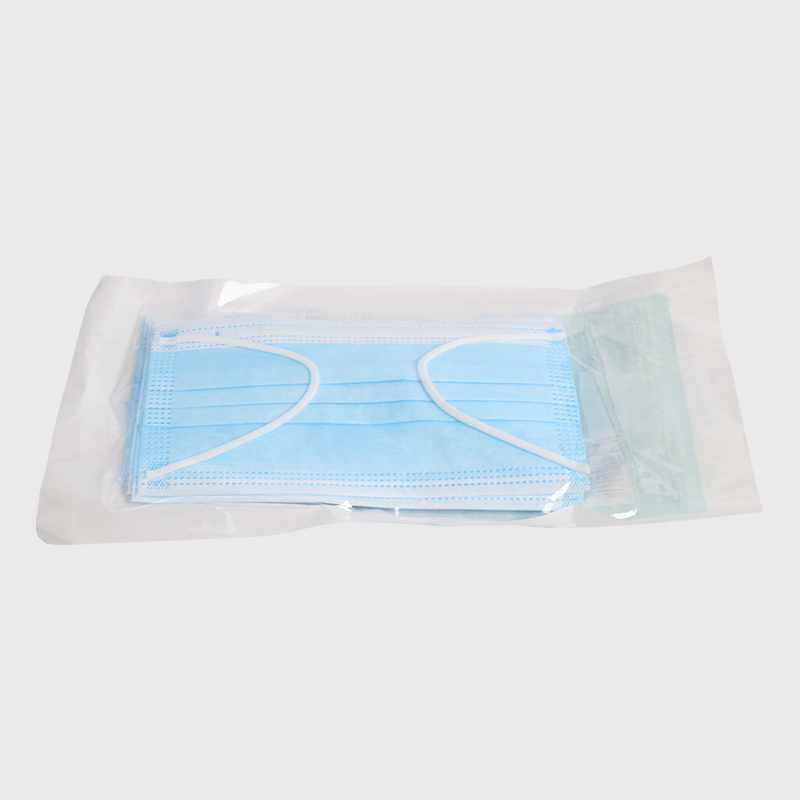
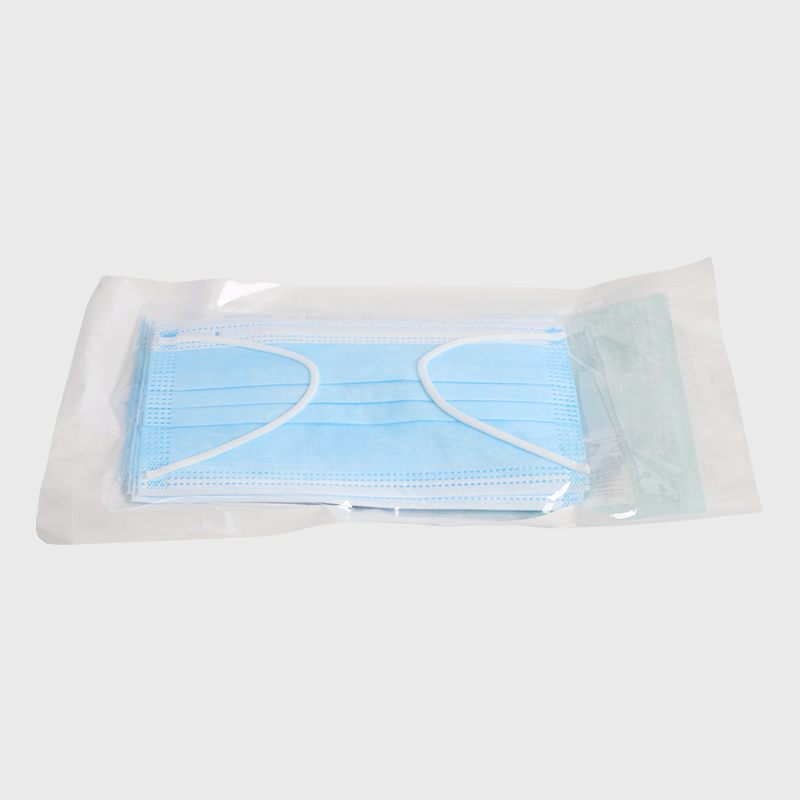 Disposable Medical Mask with Three-Layer FiltrationThis standard disposable medical mask features a water-resistant outer layer, melt-blown middle layer, and skin-friendly inner layer, with BFE 95% filtration. Suitable for hospital and daily use, offering comfort and adjustable fit.View Product →
Disposable medical masks produced under these conditions use three-layer construction, bacterial filtration efficiency above 98%, and a fluid-resistant outer layer, which makes them suitable for hospital wards and everyday transit alike.
For procurement teams working on waste reduction targets, Eray also produces a biodegradable disposable medical mask that keeps filtration performance while addressing environmental goals. If you are evaluating suppliers, it is reasonable to ask for cleanroom certificates, test reports, and ISO 13485 documentation before placing an order.
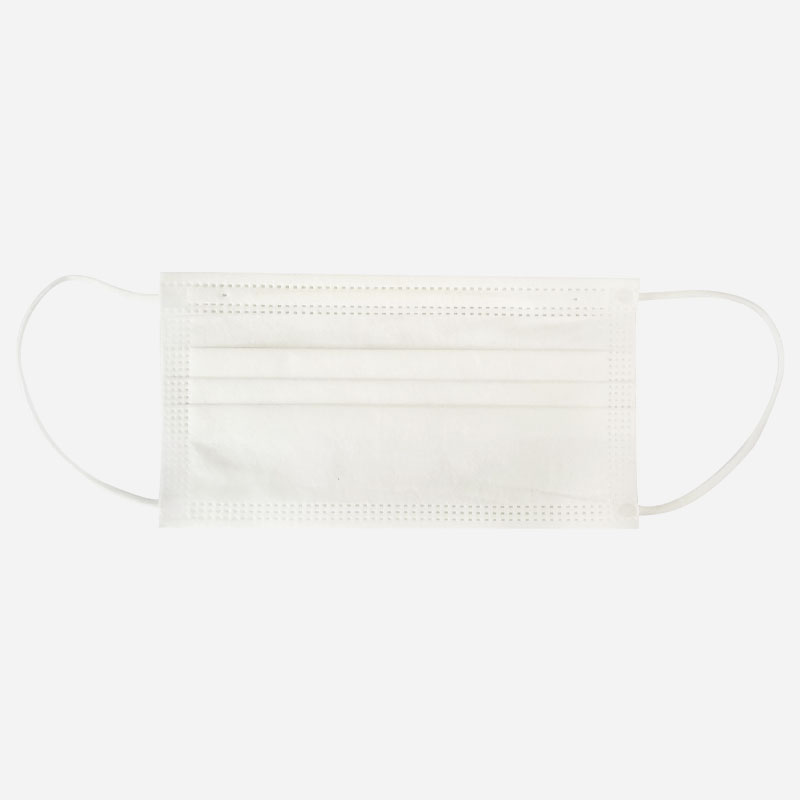
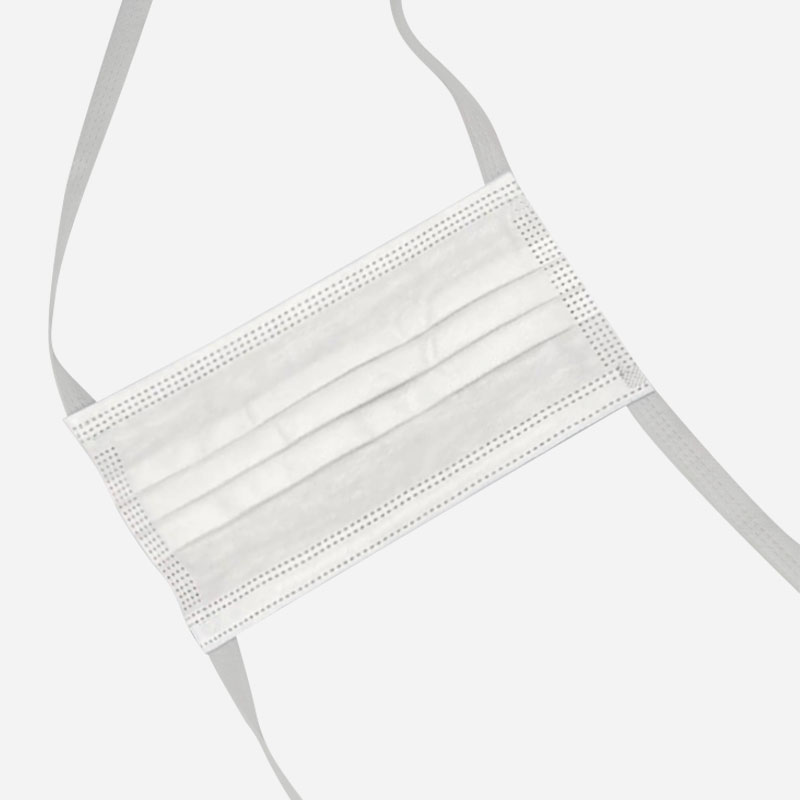 Biodegradable Disposable Medical Mask for Eco-Friendly ProcurementFor teams prioritizing waste reduction, this biodegradable mask uses certified materials like PLA+PBAT to cut plastic waste by 90% while maintaining BFE 95% filtration. A practical option for sustainable medical supply chains.View Product →
If you need specification sheets, samples, or volume quotes, you can reach the Eray team through the contact page.
Frequently Asked Questions About Mask Protection
Q1. Does wearing a mask protect me, or only people around me?
Both. A mask captures particles you release and filters particles you inhale. NIH-highlighted research shows that consistent mask users have lower infection odds, which confirms real wearer protection.
Q2. Which mask type gives the best protection to the wearer?
A well-fitted N95 or KN95 respirator offers the highest protection. Disposable medical masks give moderate protection, and cloth masks give the least.
Q3. If nobody around me is masked, am I still protected?
Yes. A KN95 or N95 lowers infection odds by about 83%, and a surgical mask provides moderate but real protection even when people around you are unmasked.
Q4. How often should I replace a disposable medical mask?
Replace it when it becomes damp, visibly dirty, deformed, or harder to breathe through. Disposable masks are single-use products and should not be washed or reused.
Related Products
If you are interested in our products, please consult us
CONTACT DETAILS
- Address : 116 Weihe Road, Rudong County Economic Development Zone, Nantong City, Jiangsu Province,China
- TEL: : +86-18362400158
- Email: : jayne@eraymedtech.com
PRODUCTS
NEWS CENTER
MOBILE TERMINAL
Copyright © 2025 Eray Medical Technology (Nantong) Co., Ltd.
All Rights Reserved. The information provided on this website is intended for use only in countries and jurisdictions outside of the People's Republic of China.
 Medical Devices Manufacturers
Medical Consumables Factory
Medical Devices Manufacturers
Medical Consumables Factory
 CONTACT US
