


 English
 Español
 Français

What is a Medical Trocar and How is it Used in Modern Surgery?
 2026.01.22
 Industry News
In the field of medicine, especially during surgical procedures, precision and safety are paramount. One of the instruments that play a critical role in minimally invasive surgeries is the medical trocar. But what exactly is a medical trocar, how does it work, and what makes it an essential tool in modern surgery? In this article, we’ll explore what a medical trocar is, its advantages, and important considerations for its use.
Content
What is a Medical Trocar?
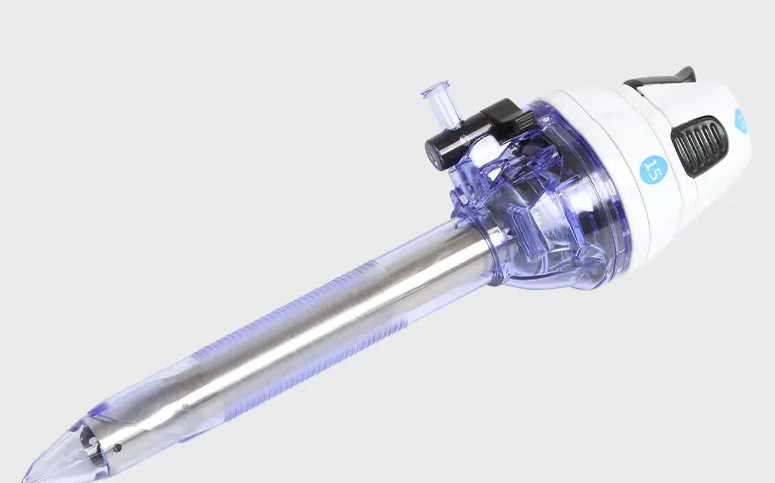
A medical trocar is a surgical instrument used primarily to create an entry point into a patient's body for the introduction of other instruments, such as laparoscopes, cannulas, or catheters. It consists of a sharp-pointed, three-sided blade that is housed inside a cannula (a tube-like structure). The trocar is typically used in minimally invasive procedures like laparoscopic surgery, where surgeons need to make small incisions to access internal organs or tissues.
During a procedure, the trocar is inserted through the skin and into the body to create a port. Once the trocar is in place, the surgeon can remove the sharp blade, leaving the cannula behind. This allows the surgeon to insert other medical instruments through the cannula, minimizing the size of the incision and reducing the risk of complications compared to traditional open surgery.
What Are the Advantages of Using a Medical Trocar?
The medical trocar offers numerous benefits that make it indispensable for modern surgical practices, especially for minimally invasive surgeries. Here are some key advantages:
1. Minimally Invasive Approach
One of the primary reasons for using a medical trocar in surgery is its ability to facilitate minimally invasive procedures. By using smaller incisions compared to traditional open surgery, the trocar allows surgeons to access internal organs with less trauma to the body. This significantly reduces the risk of infection, scarring, and blood loss, which are more common with larger incisions.
Additionally, smaller incisions mean that patients experience less post-operative pain and a quicker recovery time. The minimally invasive approach enabled by the trocar has revolutionized how many surgeries are performed, improving patient outcomes and reducing healthcare costs.
2. Enhanced Precision and Control
Trocar systems are designed to provide surgeons with enhanced precision and control during procedures. The sharp-pointed blade allows for easy penetration through the skin and underlying tissues, making it easier to access the body cavity. Once the trocar is in place, the cannula provides a stable channel through which surgical instruments can be inserted, giving the surgeon a clear path to operate with minimal disturbance to surrounding tissues.
This precision is especially important in delicate surgeries, such as those involving the abdomen, pelvis, or thoracic cavity, where a small mistake can have significant consequences. With a medical trocar, surgeons can work with more accuracy, reducing the likelihood of errors and improving patient safety.
3. Faster Recovery and Less Scarring
Because medical trocars are used in minimally invasive surgery, the size of the incision is much smaller than what is required for open surgery. Smaller incisions lead to less tissue damage and fewer complications, which contributes to a faster recovery time for the patient. In many cases, patients can return to their normal activities much sooner compared to traditional surgical approaches.
Additionally, smaller incisions mean less scarring, which is particularly important for patients who are concerned about cosmetic outcomes. The minimal scarring and faster healing time make trocars a preferred option in many elective surgeries, including cosmetic and bariatric procedures.
4. Reduced Risk of Infection
Minimally invasive surgeries performed using medical trocars significantly reduce the chances of infection. Smaller incisions mean that there is less exposure to bacteria, which lowers the likelihood of postoperative infections. Furthermore, the use of sterile techniques during the insertion of the trocar ensures that the risk of contamination is minimized, contributing to better patient outcomes.
5. Versatility in Surgical Procedures
Medical trocars are versatile tools used in a wide range of surgical procedures. They are commonly used in laparoscopic surgeries, such as gallbladder removal, appendectomies, hernia repairs, and bariatric surgery. They are also used in thoracic surgeries and certain types of gynecological procedures. The flexibility to perform various types of surgeries with the same basic tool makes the trocar an essential instrument in modern surgery.
What Should You Consider When Using a Medical Trocar?
While medical trocars are invaluable tools for surgeons, there are several important factors to keep in mind when using them. Here are some considerations to ensure safe and effective use:
1. Correct Size and Type of Trocar
Choosing the right size and type of trocar is crucial for ensuring the success of the surgery. Trocar sizes vary depending on the type of procedure and the instruments that need to be inserted. Using a trocar that is too large or too small for the procedure can cause complications, such as damage to surrounding tissues or difficulty in inserting surgical instruments. Surgeons should carefully select the appropriate trocar based on the specific needs of the surgery and the patient.
2. Proper Technique During Insertion
While medical trocars are designed to be easy to use, the technique used during insertion is critical for a successful outcome. Surgeons must carefully control the speed and angle of insertion to avoid damaging internal organs or blood vessels. Additionally, the insertion site should be chosen carefully to ensure that there is enough space for the trocar to pass through without causing injury.
Surgeons should also be aware of the patient’s anatomy and avoid areas that may contain sensitive structures or important blood vessels. Using the trocar with care and attention ensures that the procedure is completed with minimal complications.
3. Sterility and Infection Prevention
As with all surgical instruments, sterility is a top priority when using medical trocars. Proper sterilization techniques must be followed before and after each use to prevent the introduction of harmful bacteria or pathogens into the patient’s body. In addition to sterile trocars, surgeons should also use sterile gloves, gowns, and other equipment to maintain a clean surgical environment and reduce the risk of infection.
4. Monitoring for Complications
Although the use of medical trocars in minimally invasive surgery reduces the risk of many complications, it is still important to monitor the patient during and after the procedure. Potential complications such as bleeding, infection, or injury to internal organs can still occur, and prompt intervention may be needed if problems arise. Surgeons must stay vigilant throughout the surgery and during the recovery process to address any issues that may arise.
Conclusion: Why is a Medical Trocar Essential in Modern Surgery?
A medical trocar is an indispensable tool in modern surgery, particularly for minimally invasive procedures. It allows surgeons to perform operations with precision and efficiency, leading to faster recovery times, reduced risk of infection, and minimal scarring for patients. The versatility and safety benefits of the trocar have made it an essential instrument for a wide range of surgical specialties, from laparoscopic surgeries to thoracic procedures.
However, the proper selection, technique, and sterilization are crucial to ensure the safe and effective use of the trocar. With careful attention to these factors, medical trocars continue to play a pivotal role in advancing surgical practices and improving patient outcomes.
Related Products

If you are interested in our products, please consult us
CONTACT DETAILS
- Address : 116 Weihe Road, Rudong County Economic Development Zone, Nantong City, Jiangsu Province,China
- TEL: : +86-18362400158
- Email: : jayne@eraymedtech.com
PRODUCTS
NEWS CENTER
MOBILE TERMINAL
Copyright © 2025 Eray Medical Technology (Nantong) Co., Ltd.
All Rights Reserved. The information provided on this website is intended for use only in countries and jurisdictions outside of the People's Republic of China.
 Medical Devices Manufacturers
Medical Consumables Factory
Medical Devices Manufacturers
Medical Consumables Factory
 CONTACT US
